





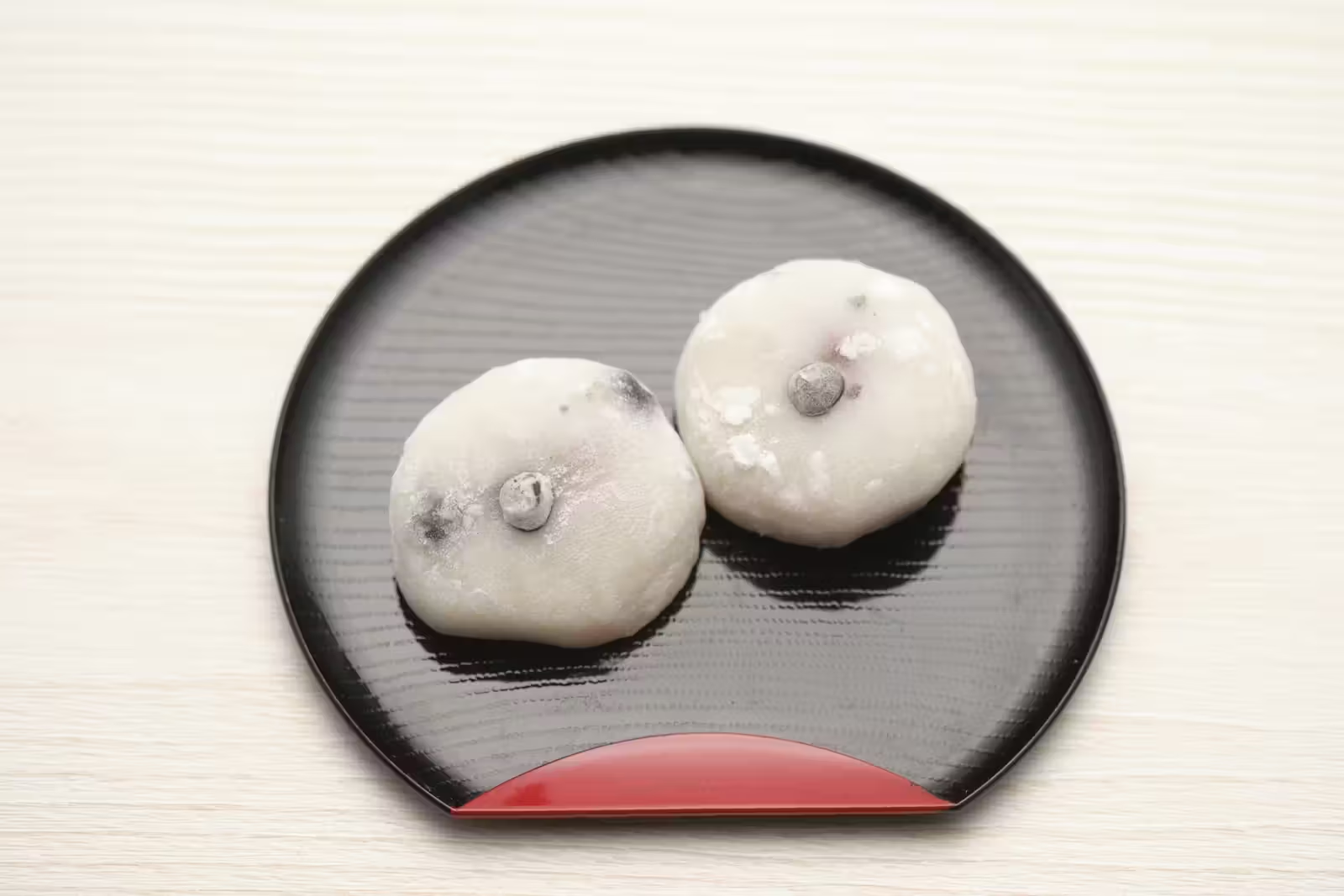
Daifuku is a traditional Japanese mochi sweet filled with anko, or sweetened red bean paste. You will find it in convenience stores, supermarkets, and long-established wagashi shops across Tokyo. The best pieces, though, come from small neighborhood makers. The round white shell looks plain enough. Yet the texture is what people remember, because it stretches softly before giving way to a dense, earthy filling.
Is it really a dessert, though? The sweetness sits far below most Western cakes, and that surprises many first-time eaters. This guide covers what daifuku is, how it tastes, and where its Edo-period story began. It also runs through the main types, Tokyo shops, and a home recipe.
What Is Daifuku Mochi?
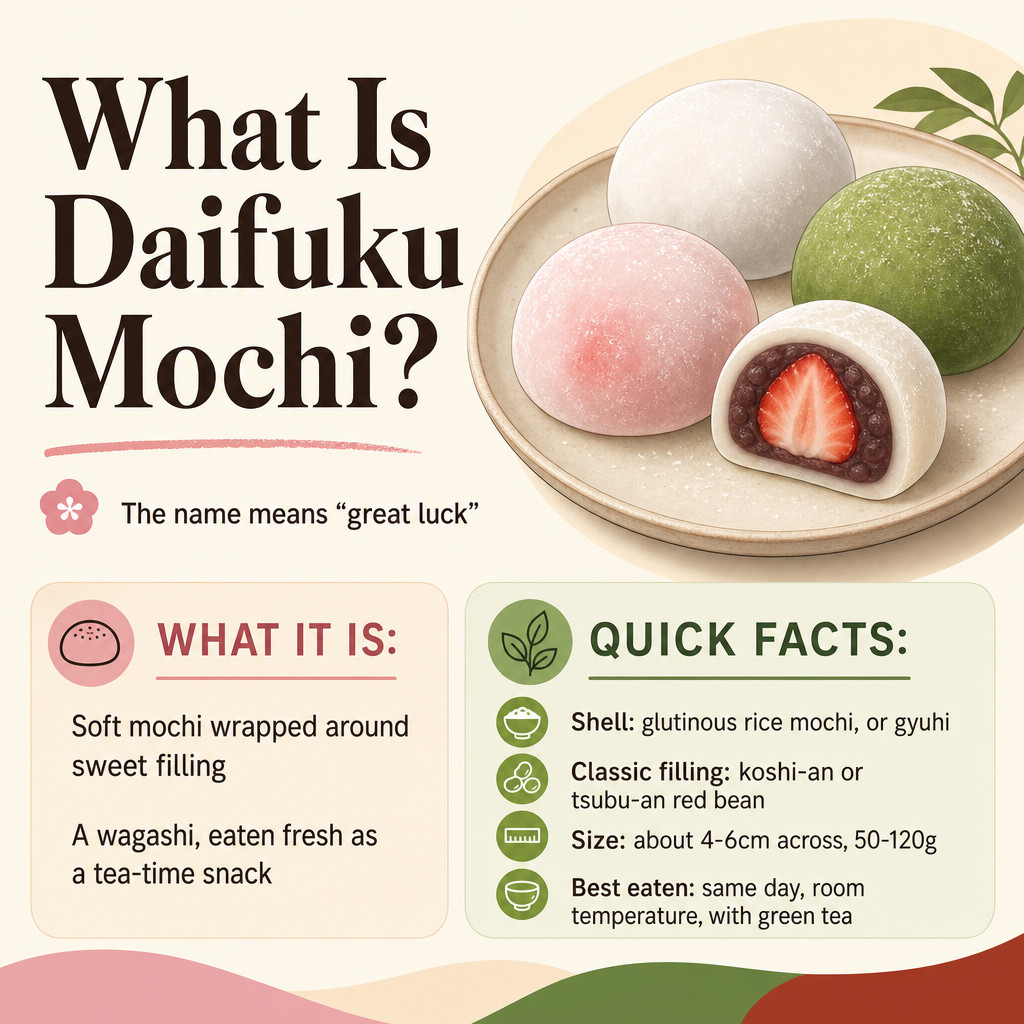
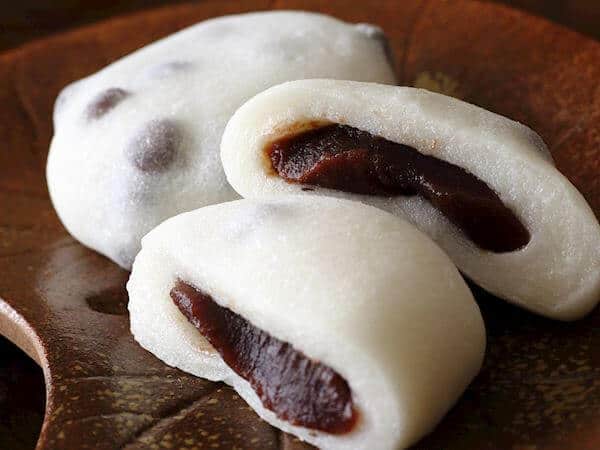
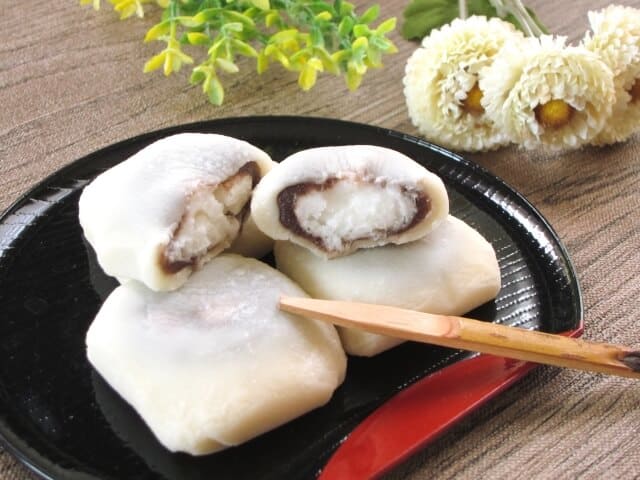
Daifuku is a round Japanese sweet made by wrapping soft mochi or gyuhi around a sweet filling. The traditional filling is sweetened azuki bean paste, while the shell uses glutinous rice or rice flour. People eat it as a tea-time snack, and shops sell it fresh across Japan.
The name 大福 literally means great luck. That cheerful meaning helps explain why the sweet appears at celebrations and as a small gift. It belongs to the wider family of wagashi, or traditional Japanese confections. Shops generally classify it as a namagashi, meaning a fresh confection with a short shelf life.
Size varies, although most pieces measure about four to six centimeters across. One piece usually weighs somewhere between 50 and 120 grams, depending on the style and shop. Early versions sold in Edo were noticeably larger. Makers shrank them over time, so today’s daifuku fits comfortably in one hand.
The shell almost always carries a light dusting of starch, too. Shops use potato starch or cornstarch to stop the surface from sticking to fingers and packaging. Colors change with the filling too. Pale pink, pale green, and pure white often sit side by side in the display case.
Daifuku quick facts
- Japanese name: 大福 (daifuku), meaning great luck
- Category: Wagashi, specifically namagashi, or fresh confection
- Shell: Glutinous rice mochi, or gyuhi, a softer dough that stays tender longer
- Classic filling: Koshi-an or tsubu-an red bean paste
- Typical size: About 4 to 6 cm across, commonly 50 to 120 g
- Best eaten: Same day, at room temperature, with green tea
What Does Daifuku Taste Like?
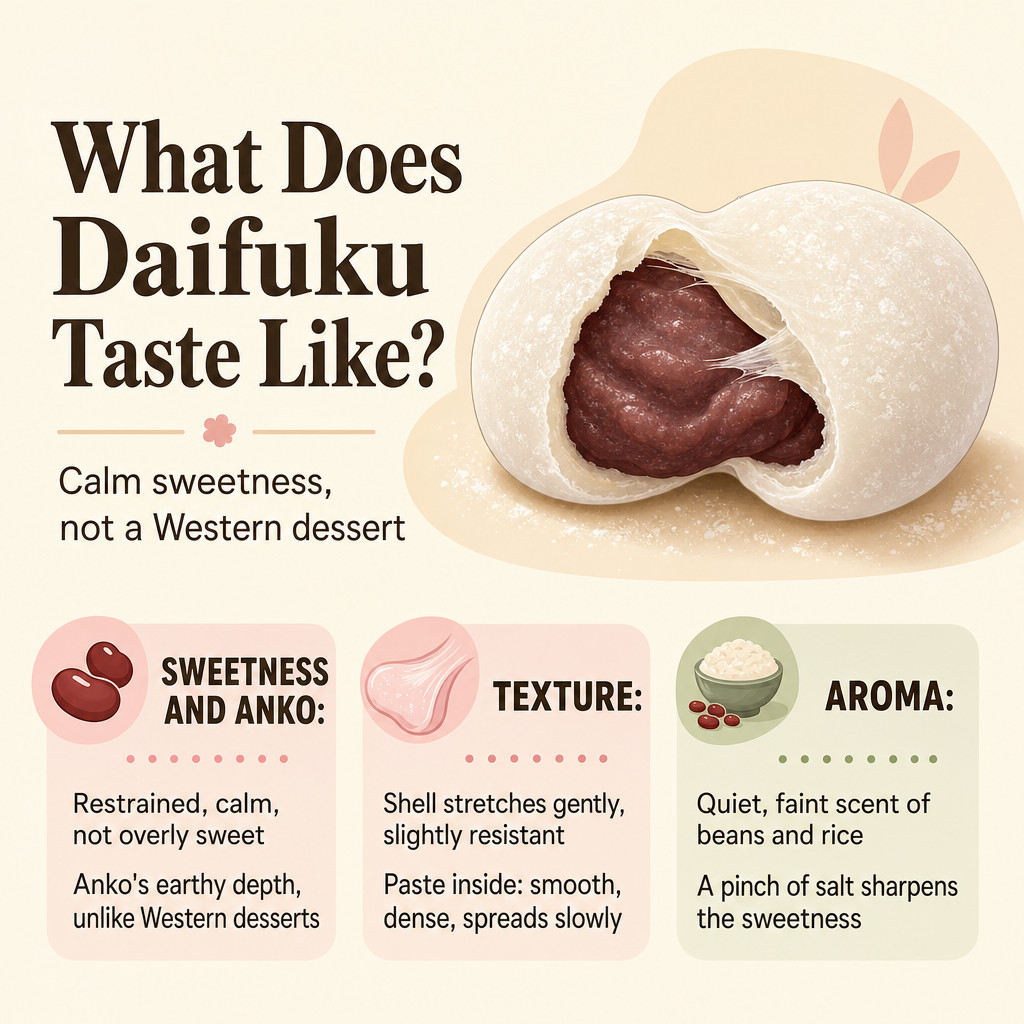
Yes, this counts as a dessert. Daifuku is a sweet wagashi, although the restrained sweetness feels very different from Western cakes and pastries.
The first time I tried daifuku, I expected something much sweeter. I was wrong. The sweetness is definitely there, yet it feels calm and measured. Anko carries an earthy depth that sits far from Western dessert flavors. At first bite, I even wondered whether it counted as dessert at all.
As you keep chewing, however, the flavor opens up. The mochi itself tastes faintly of rice, almost neutral, but it still does real work. Some versions hide a pinch of salt in the dough. That small touch sharpens the sweetness more than you would expect.
Texture, though, is the real surprise. The outer layer stretches gently, soft yet slightly resistant, and it can turn sticky if you rush. Inside, the paste feels smooth and dense, spreading slowly across the tongue. The aroma stays quiet. You have to bring the piece close to catch that soft scent of beans and rice.
The Anko Filling: Koshi-an and Tsubu-an
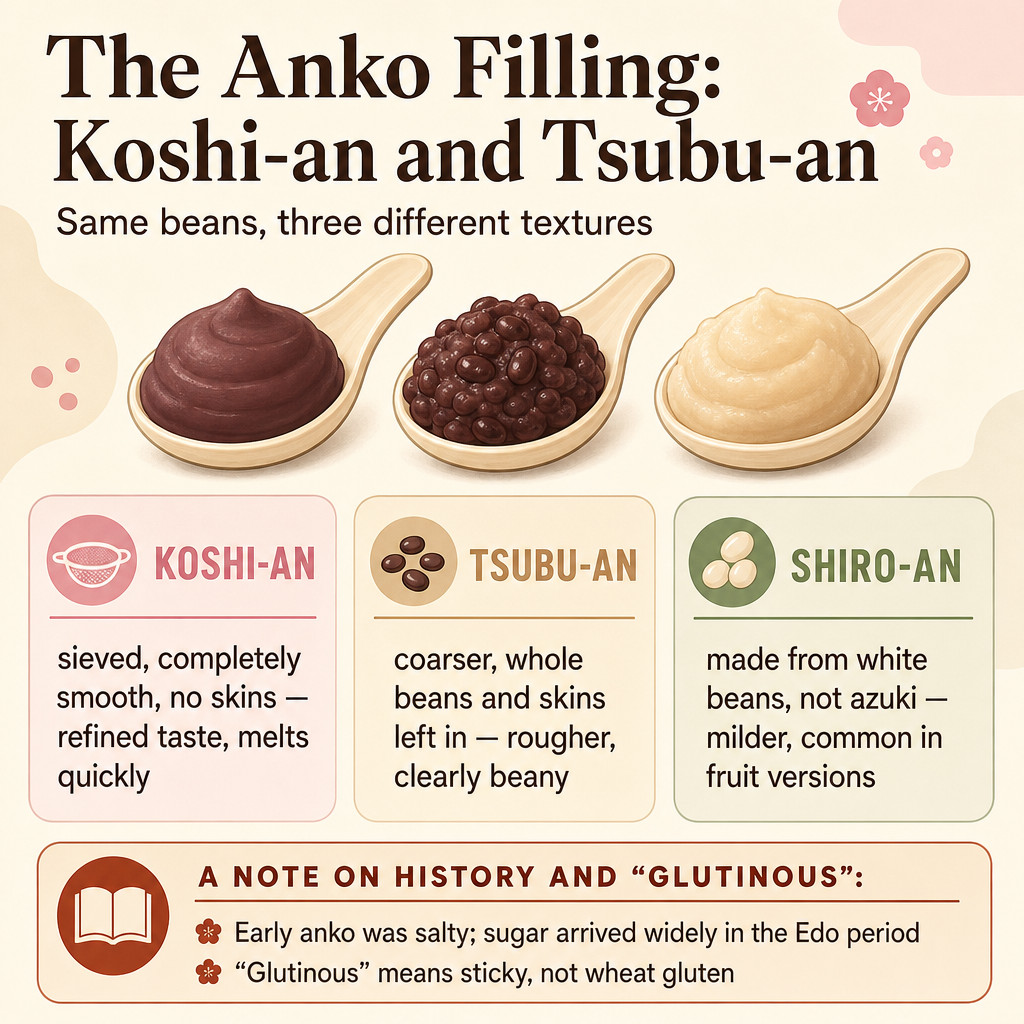
Anko means boiled azuki beans sweetened with sugar, and it comes in a few distinct styles. Because shops rarely explain it, knowing the difference helps enormously when you order.
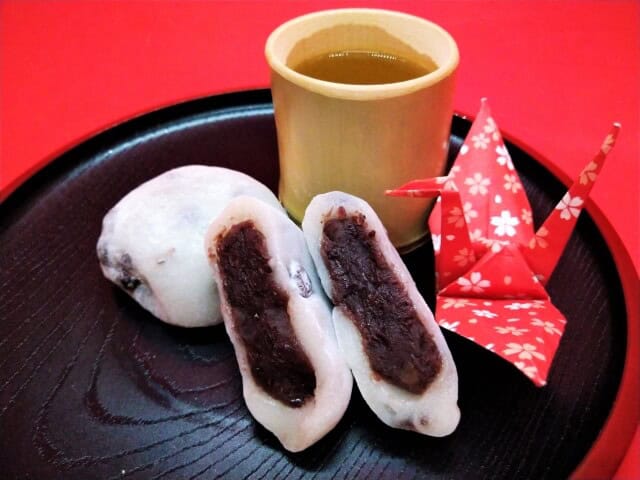
- Koshi-an. Sieved and completely smooth, with the bean skins removed. It tastes refined and melts quickly.
- Tsubu-an. Coarser, with whole beans and skins left in. The flavor is rougher and more clearly beany.
- Shiro-an. Made from white beans rather than azuki. It tastes milder, so shops often use it inside fruit versions.
Early anko tasted salty rather than sweet. Sugar only became affordable during the Edo period. Consequently, sweetened paste gradually took over. If you enjoy the filling on its own, explore Anko Mochi, which serves the same paste with plain mochi.
A note on “glutinous” rice: the word describes stickiness, not wheat gluten. Glutinous rice is high in amylopectin starch, which is what gives mochi its stretch. Traditional plain daifuku does not normally require wheat ingredients, although shop equipment and added ingredients can still vary.
History of Daifuku
From Quail Mochi to Great Luck
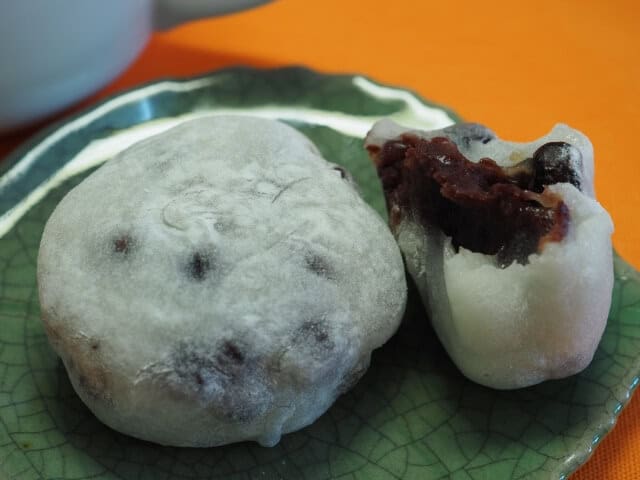
The ancestor of daifuku was uzura mochi, or quail mochi, named for its plump oval shape. That early version held salted bean paste rather than sweet anko. Because it filled you up so well, people also called it harabuto mochi, meaning thick-belly rice cake.
The Japan Wagashi Association records that families originally made it at home. Commercial sale started in the Edo period. A woman known as Otama, living around Koishikawa in today’s Bunkyo Ward, began selling it. Japanese sources commonly date her smaller, sugar-filled version to 1771, citing an Edo-period essay. Her name and the exact year differ between accounts, however, so treat those details as tradition rather than settled fact.
How the name changed: in Japanese, fuku can mean both belly (腹) and luck (福). Because of this wordplay, people later changed the name to daifuku mochi, meaning great luck rice cake. Swapping a plain character for an auspicious one was common practice at the time.
Grilled Daifuku and the Edo Street Trade
Real mochi hardens as it cools, and Edo shoppers knew it well. Vendors therefore carried braziers and sold the sweets hot, especially through winter. Grilled daifuku became a small street-food craze during the Kansei era in the 1790s.
That habit lasted a surprisingly long time. According to the Japan Wagashi Association, warming hardened daifuku over a charcoal brazier remained normal well into the Showa period. Toasting brings out a nutty aroma, so the trick still works at home today.
Popular Types of Daifuku
Shops rotate their lineup constantly, especially with the seasons. Below are the varieties you will meet most often in Tokyo, listed roughly from traditional to modern.
Mame Daifuku
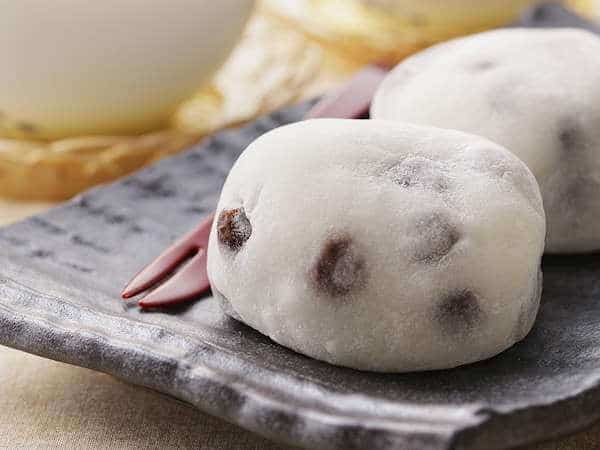
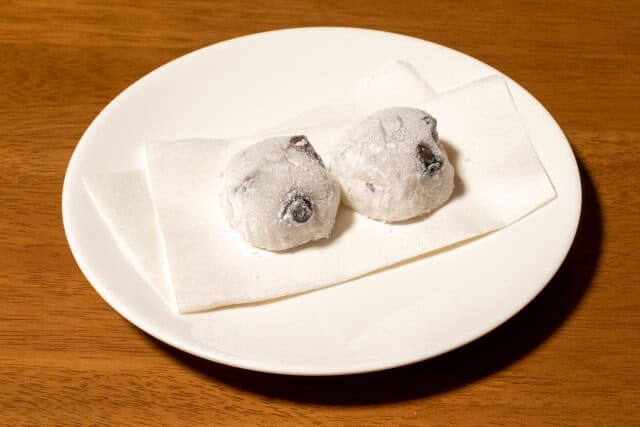
Whole red peas or soybeans sit inside the mochi shell, not the filling. Lightly salted, they also cut through the sweetness of the anko. Many Tokyo wagashi shops build their reputation on this style, and it is available all year.
Ichigo Daifuku
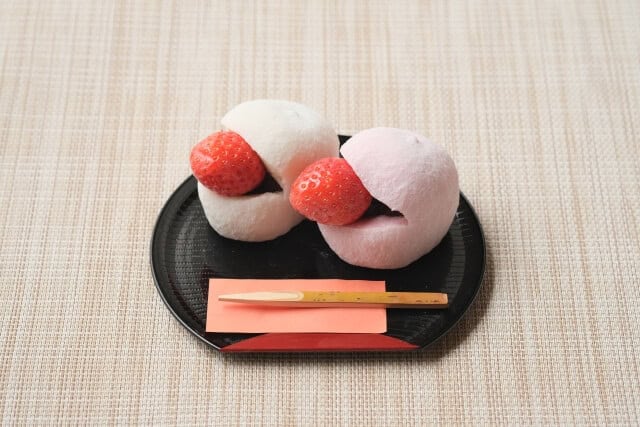
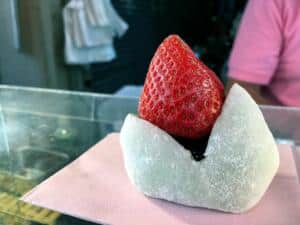
A whole strawberry sits inside the bean paste, so the acidity balances the sweetness beautifully. Oosumi Tamaya in Tokyo is widely credited with popularizing the style after launching its version in 1985. Several other shops also claim to have originated the idea, however. Shops sell it from roughly winter through spring, so learn more about Ichigo Daifuku before strawberry season starts.
Yomogi Daifuku
Makers knead Japanese mugwort, called yomogi, into the dough, which turns it deep green. The flavor is grassy and faintly bitter, which suits the sweet paste especially well. Spring is the classic season, and the same base appears in kusa mochi.
Shio Daifuku
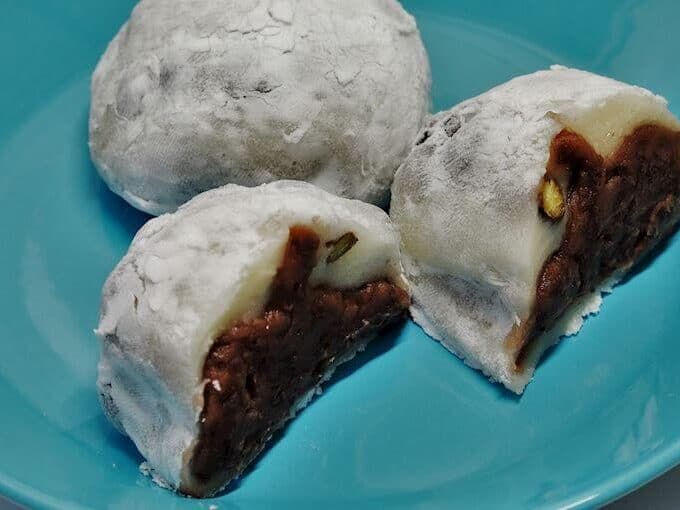
Here, instead, the dough or the filling carries a clear salty edge. The contrast makes the sweetness feel brighter rather than heavier. Whole black beans sometimes appear in the wrapper as well.
Fruit Daifuku
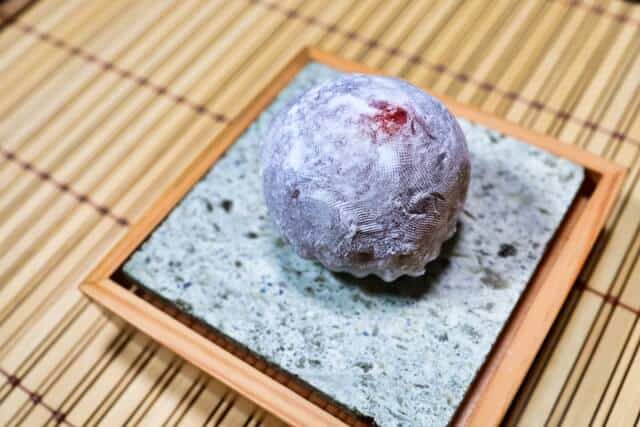
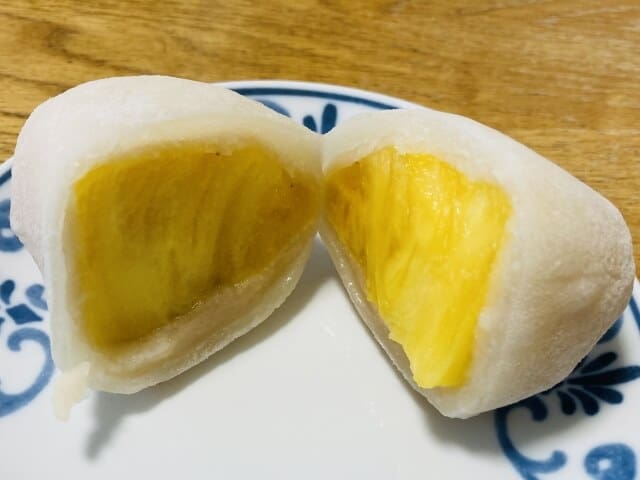
Mandarin, fig, muscat grape, kiwi, and mango all appear, depending on the month. Shops usually pair them with milder white bean paste instead. Specialist counters display the halved cross-section, which is half the appeal. See our Fruit Daifuku guide for a seasonal calendar.
Cream, Custard, and Coffee Daifuku
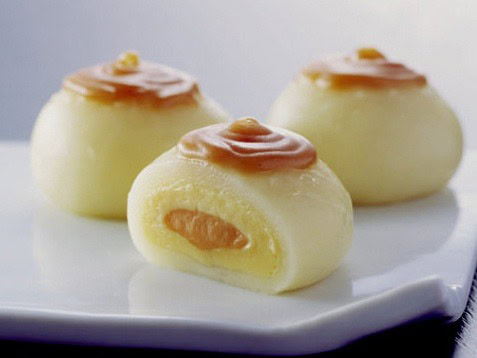
Recently, custard pudding, whipped cream, chocolate ganache, and coffee-flavored paste have all found their way inside. These modern versions taste closer to Western pastry, and the coffee one works better than it sounds. Shops treat them as novelties rather than staples, so availability varies. Note too that cream and custard fillings need refrigeration, unlike the classic anko kind.
Daifuku vs Mochi
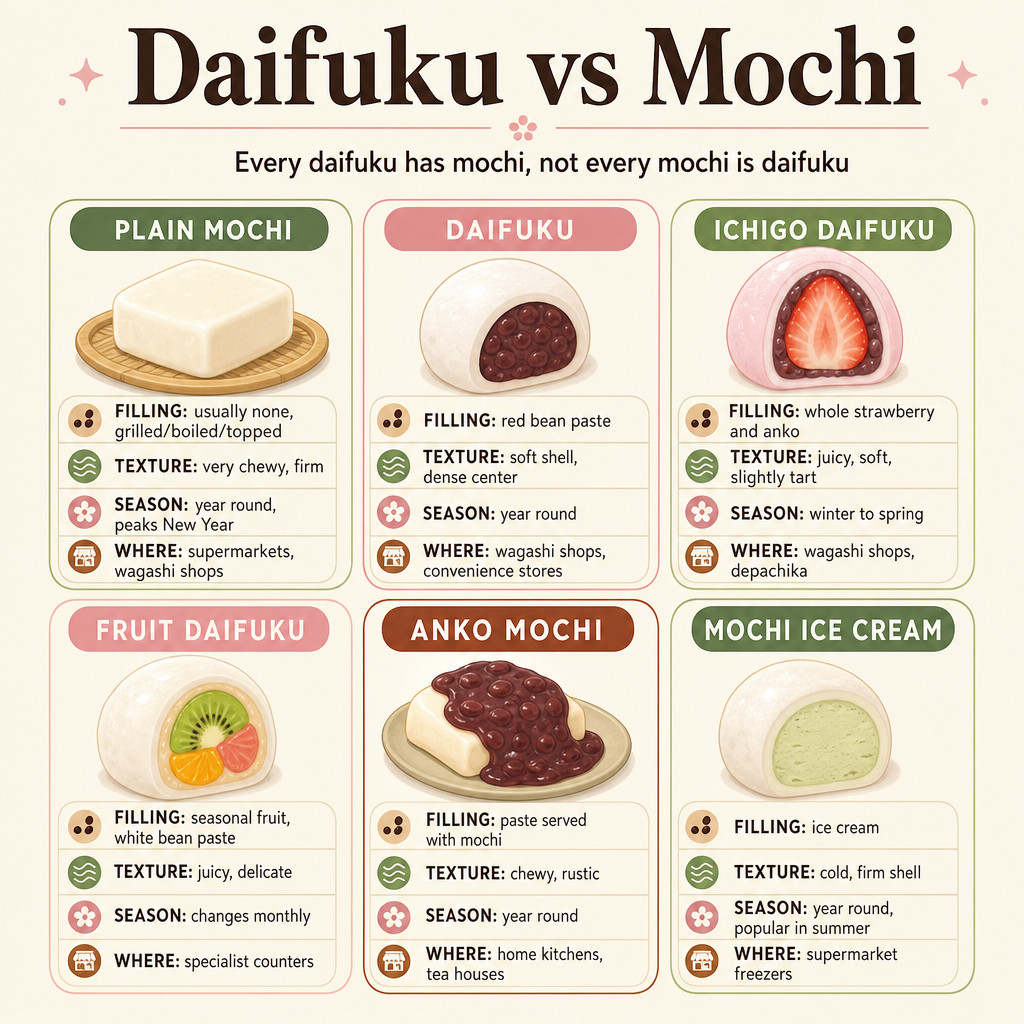
The distinction is simple, although the names confuse many visitors. Mochi is the pounded rice cake itself, and it is not inherently sweet. Daifuku is mochi wrapped around a sweet filling, so every daifuku contains mochi but not every mochi is daifuku.
| Item | Filling | Texture | Season | Where to buy |
|---|---|---|---|---|
| Plain mochi | Usually unfilled; grilled, boiled, or topped | Very chewy, firm | Year round, peaks at New Year | Supermarkets, wagashi shops |
| Daifuku | Red bean paste | Soft shell, dense center | Year round | Wagashi shops, convenience stores |
| Ichigo daifuku | Whole strawberry and anko | Juicy, soft, slightly tart | Winter to spring | Wagashi shops, depachika |
| Fruit daifuku | Seasonal fruit and white bean paste | Juicy, delicate | Changes monthly | Specialist counters |
| Anko mochi | Paste served with or on mochi | Chewy, rustic | Year round | Home kitchens, tea houses |
| Mochi ice cream | Ice cream | Cold, firm shell | Year round, popular in summer | Supermarket freezers |
Daifuku in Japanese Food Culture
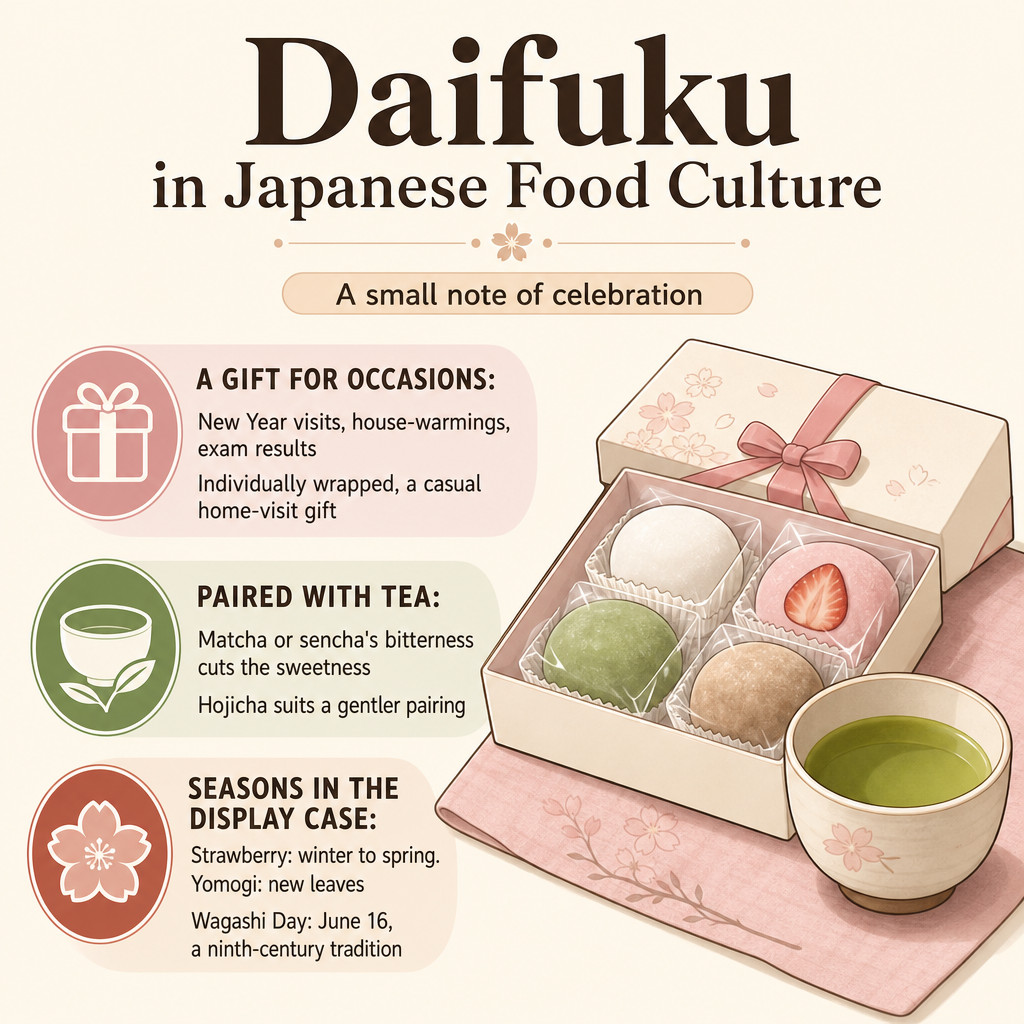
Because the name means great luck, daifuku carries a small note of celebration. For example, families buy boxes for New Year visits, house-warmings, and exam results. Wrapped individually, it also works as a casual gift when you visit someone’s home.
Tea matters just as much, since the bitterness of matcha or sencha cuts the sweetness. Hojicha suits anyone who prefers something gentler. Wagashi developed alongside tea culture, so the pairing is hardly a mere suggestion.
Seasons drive the display case too. Strawberry versions dominate winter and spring, yomogi arrives with the new mugwort leaves, and summer brings chilled fruit varieties. The Japan Wagashi Association even marks June 16 as Wagashi Day, a tradition traced back to a ninth-century court ritual.
Where to Eat Daifuku in Tokyo
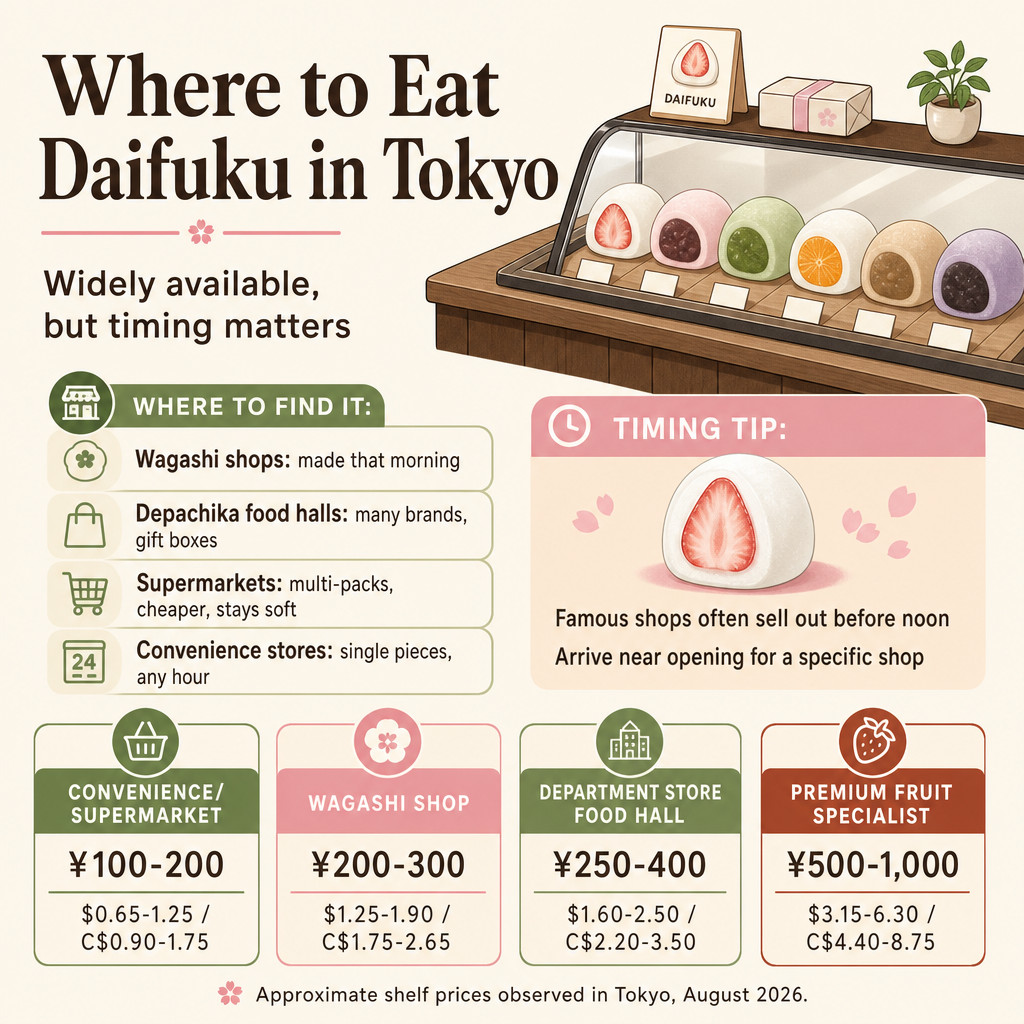
Daifuku is available everywhere in Japan. Tokyo, however, offers unusually good access. Long-running neighborhood shops and enormous department store food halls both help. Anyone hunting for the best daifuku in Japan tends to start in one of those two places.
- Traditional wagashi shops: made that morning, sold until they run out
- Depachika food halls: many brands together, plus gift boxes
- Supermarkets: multi-packs, cheaper, made with gyuhi so they stay soft
- Convenience stores: single pieces, modern flavors, available at any hour
Timing tip: famous wagashi shops often sell out before noon, and seasonal fruit versions go fastest of all. Arrive near opening if a specific shop is your goal. Hours and closing days change, so check before you travel.
Typical Daifuku Prices
| Where you buy it | Approximate price each | Approximate USD / CAD |
|---|---|---|
| Convenience store or supermarket | 100 to 200 yen | $0.65 to $1.25 / C$0.90 to C$1.75 |
| Traditional wagashi shop | 200 to 300 yen | $1.25 to $1.90 / C$1.75 to C$2.65 |
| Department store food hall | 250 to 400 yen | $1.60 to $2.50 / C$2.20 to C$3.50 |
| Premium fruit daifuku specialist | 500 to 1,000 yen | $3.15 to $6.30 / C$4.40 to C$8.75 |
Ranges are approximate shelf prices observed in Tokyo as of August 2026, and they vary by shop, size, and season. Conversions use about 159 yen per US dollar and 114 yen per Canadian dollar.
Shiroikuro
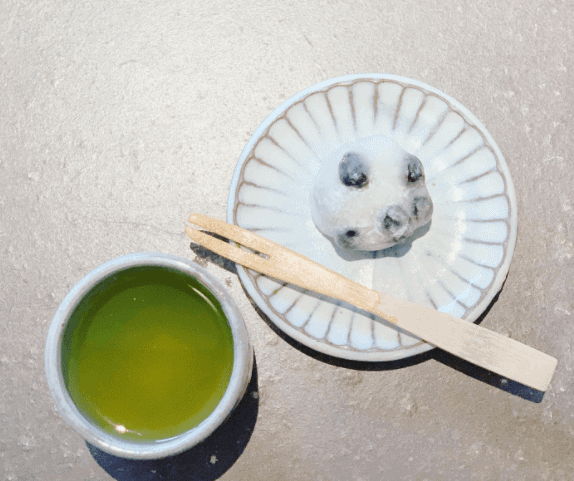
Black soybeans run through nearly everything here, so the daifuku uses them generously. The mochi is soft and elastic, while the beans add a savory accent to the red bean paste. Western-style black soybean sweets such as roll cakes sit alongside the traditional items.
Okano Eisen
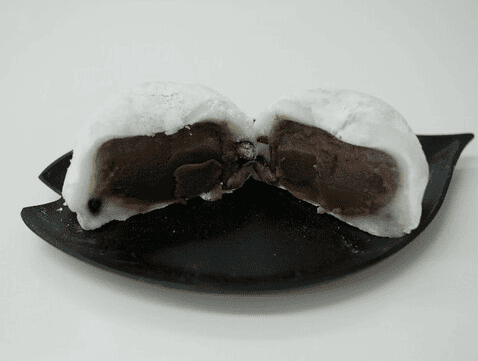
This long-established shop in Tokyo puts daifuku at the center of its menu, while other sweets play a supporting role. The pieces are large and satisfyingly heavy. Smooth koshi-an fills the shell, and it pairs neatly with the rich flavor of the mochi.
Matsushimaya
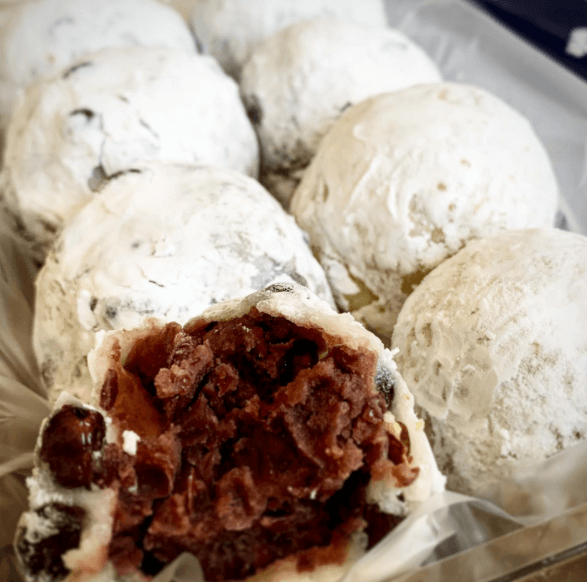
Anko lovers rate this Takanawa shop highly, and its bean-studded daifuku explains that reputation. The paste is grainy tsubu-an, generous yet restrained in sweetness. As a result, the flavor of the azuki beans comes through clearly. Japanese food media commonly name Matsushimaya alongside Gunrindo and Mizuho as Tokyo’s three celebrated mame daifuku shops. That label is an informal one, though, rather than an official ranking.
Gunrindo
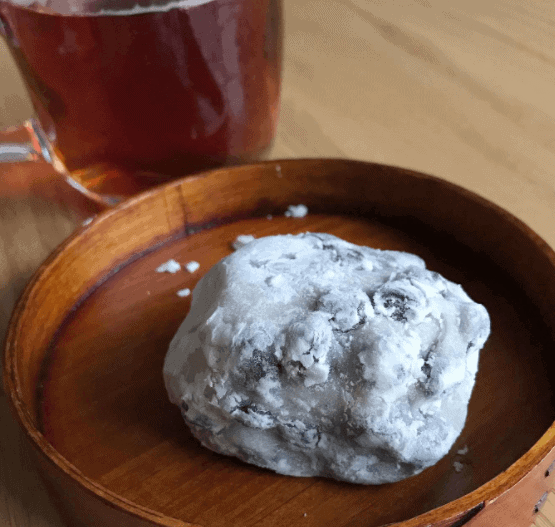
Gunrindo sits in Otowa, a short walk from Gokokuji Station. It also stands close to Koishikawa, where daifuku first went on sale. Plenty of beans, soft mochi, and a well-judged balance of sweet and salty define the house style. Queues reportedly form before opening, so a morning visit makes sense.
Mizuho
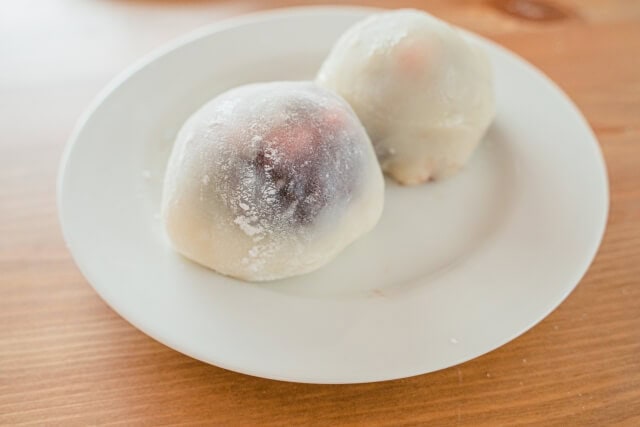
Mizuho completes the informal trio, and it sits in a back street behind Harajuku. The shop opened in 1981 and sells a bean-heavy daifuku with a firm, salty edge. Production is small, so the counter usually closes once the day’s batch runs out. There is no photograph of this shop in our library yet, though the queue outside is easy to spot.
How to Store and Eat Daifuku
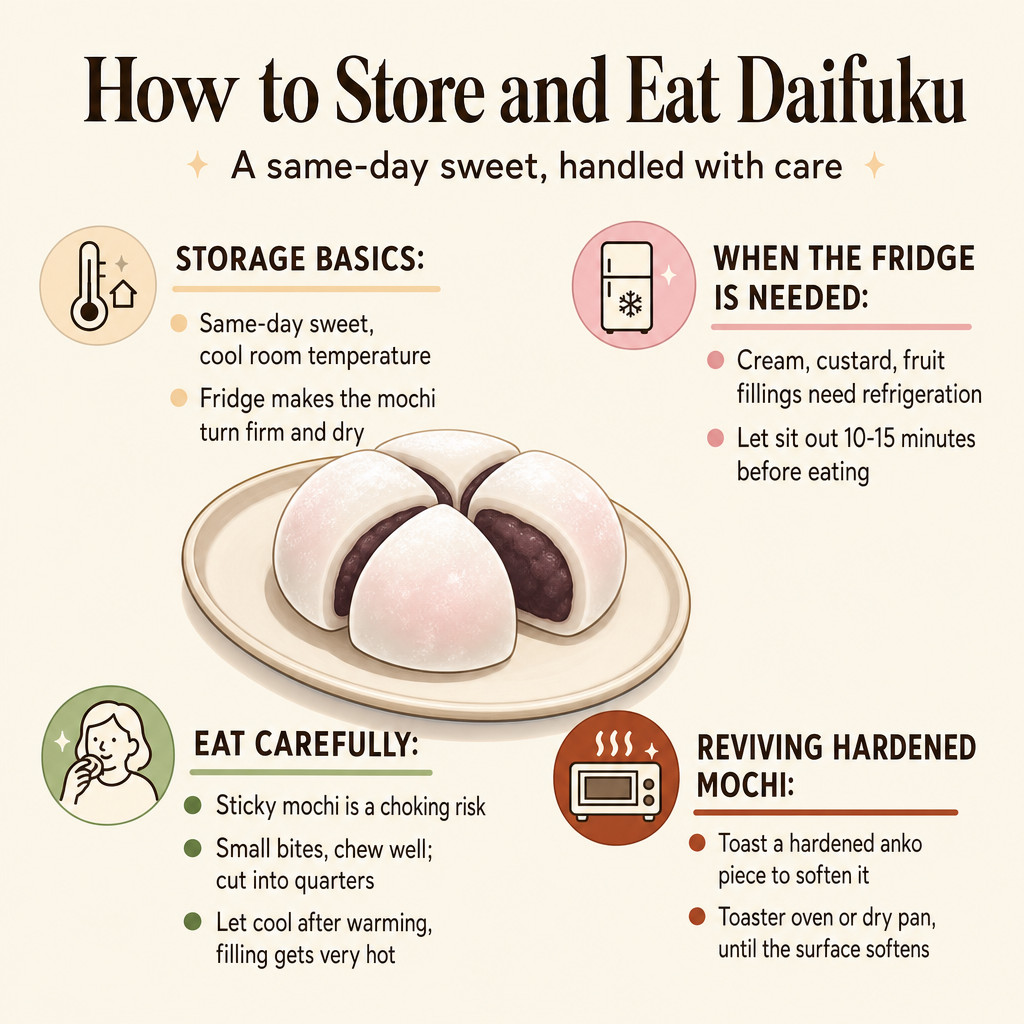
Fresh daifuku is a same-day sweet, so wagashi shops rarely expect otherwise. Keep it at cool room temperature and eat it within a day, because that is when the shell feels softest. Always follow the shop’s storage advice and use-by date.
Refrigeration, however, causes the classic problem. Cold makes the rice starch retrograde, and consequently the mochi turns firm and slightly dry. Cream, custard, and fresh fruit versions still need the fridge, however, because their fillings spoil quickly. In that case, let the piece sit out for ten to fifteen minutes before eating.
Eat carefully: fresh mochi is sticky and stretchy, and it poses a choking risk. Children and older adults should take small bites and chew thoroughly. Cutting a piece into quarters is therefore a sensible habit. Do not toast fruit, cream, or custard versions unless the maker recommends it. After warming any daifuku, let it cool before biting, because the filling turns extremely hot.
If a plain anko piece hardens while still inside its safe storage period, brief warming softens the mochi again. Toast it in a toaster oven or dry pan until the surface puffs, which is the old Edo trick. Warming does not make spoiled food safe, however, so check the date first.
Calories, Allergens, and Dietary Notes

Japan’s official food composition tables list daifuku with koshi-an at about 223 kcal per 100 grams. Since sizes vary widely, one daifuku may contain roughly 110 to 270 kcal. Check the product label for an accurate figure. Fat content stays very low, since almost all the energy comes from carbohydrate.
- Vegetarian and vegan. Plain anko daifuku usually contains only rice, beans, sugar, and starch. Cream, custard, and some soft fillings add dairy or gelatin, so check first.
- Wheat and gluten. The rice shell contains no wheat, though shop kitchens handle many products. Anyone with coeliac disease should ask directly.
- Soy. Mame daifuku often uses soybeans, and kinako coatings do too.
- Other allergens. Packaged products list allergens in Japanese, so photograph the label and translate it.
Daifuku Recipe: How to Make It at Home
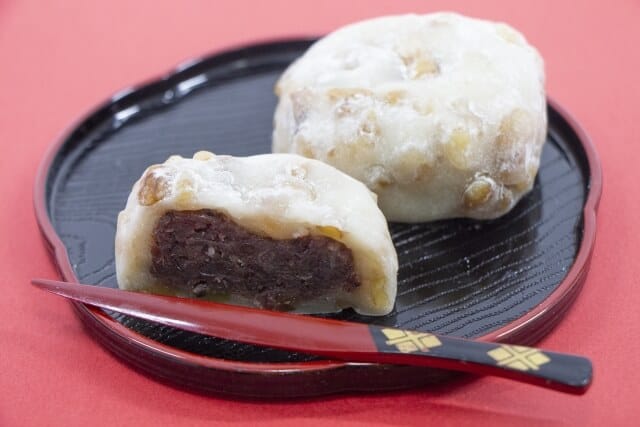
Ingredients and Tools
| Ingredient (makes 4 pieces) | Metric | Kitchen measure |
|---|---|---|
| Shiratamako | 60 g | About 1/2 cup |
| Water | 70 g | About 1/3 cup |
| Refined white sugar | 10 g | 2 tsp |
| Potato starch, for dusting | 5 g | 2 tsp |
| Red bean paste | 100 g | About 1/3 cup |
- Shiratamako or mochiko? Shiratamako gives a smoother, more elastic dough. Mochiko works too, but it absorbs water differently, so add liquid gradually.
- Potato starch or cornstarch? Potato starch feels lighter and brushes off cleanly. Cornstarch is a fine substitute if that is what you have.
- Koshi-an or tsubu-an? Smooth koshi-an is easier to shape into neat balls. Chunky tsubu-an tastes more rustic but can tear thin dough.
- Tools: kitchen scale, heatproof bowl, steamer, silicone spatula, flat tray, and a soft brush.
Step by Step
Combine the shiratamako and water in a bowl and stir with a spatula. Brands absorb water differently, so add the last of it slowly. Then mix in the sugar until smooth.
Line a shallow mold with a damp cloth. Pour the batter in evenly, since an even layer steams more reliably.
Bring the steamer to a full boil first. Steam the mold over high heat for about ten minutes, until the dough looks translucent.
While the dough steams, roll the bean paste into four equal balls. Meanwhile, spread potato starch across a tray.
Caution: the dough will be extremely hot. Use a sturdy spatula and do not touch it directly until it cools enough to handle safely. Tip the steamed mochi into a bowl and knead it firmly. Work quickly, until it becomes soft, stretchy, and easy to wrap.
Move the mochi onto the starch and coat the whole surface. Brush off any excess, then divide it into four equal portions with a starch-dusted dough scraper or kitchen scissors.
Flatten one piece on your palm and set a ball of paste in the middle. Stretch the edges up and pinch the seam closed. Finally, turn it seam side down and brush off loose starch.
Let the finished pieces rest for around fifteen minutes. This quantity makes four small to medium daifuku of roughly 60 grams each. Serve them with sencha, hojicha, or matcha on a simple plate.
Storing your batch: eat homemade daifuku on the day you make it. Keep the pieces covered at cool room temperature for a short period only. Refrigerate them instead if the filling contains cream, custard, or fresh fruit.
Homemade Daifuku Tips
- Sticky dough. Dust your hands and the tray generously, and keep a bowl of water nearby for the spatula.
- Cracked wrapping. The mochi has cooled too far. Work faster, or warm the remaining dough briefly before shaping.
- Filling too soft. Chill the anko balls for twenty minutes so they hold their shape.
- Hardened mochi. Toast leftovers lightly, or steam them again for a minute or two.
Conclusion
Daifuku succeeds through restraint rather than sugar. A soft mochi shell, a dense earthy filling, and a name meaning great luck sit behind it. Together they add up to something quieter than most desserts. Once you understand that, the low sweetness stops feeling like a shortcoming.
So where should you begin? Buy a plain mame daifuku from a neighborhood wagashi shop and eat it the same day with green tea. Then compare it against a seasonal strawberry version from a department store. Finally, try making a batch at home, because kneading hot mochi teaches you more than reading ever could.
Daifuku FAQ
Is daifuku the same as mochi?
No, although the two are closely related. Mochi is the pounded glutinous rice cake itself, and it is not sweet on its own. This sweet is mochi wrapped around a filling, most often red bean paste. So every piece contains mochi, yet plain mochi is not daifuku.
What is inside daifuku?
Sweetened azuki bean paste fills the classic version. Shops use either smooth koshi-an or chunkier tsubu-an, and milder white bean paste appears in fruit varieties. Modern fillings include strawberries, custard, whipped cream, and even coffee paste. Check the label if you avoid dairy.
Is daifuku eaten cold?
Room temperature is the standard, because cold makes the rice starch firm up. Cream and fresh fruit versions do need refrigeration, however, for food safety reasons. Take those out ten to fifteen minutes before eating. Mochi ice cream is the obvious exception, since it belongs in the freezer.
How long does daifuku last?
Fresh shop-made pieces are best on the day of purchase, so follow the shop’s storage advice and use-by date. Packaged supermarket versions often use gyuhi dough, which keeps them soft for several days. If a plain anko piece hardens while still within its safe period, brief warming softens the mochi again. Warming does not make spoiled food safe, though.
Is daifuku vegan or vegetarian?
Plain red bean versions usually contain only rice, beans, sugar, and starch, which suits both diets. Cream, custard, and butter fillings clearly do not. Some soft fillings also use gelatin, so read the ingredient list. Traditional wagashi shops can normally explain what goes into each item.
Can you make daifuku at home?
Yes, and the whole process takes under an hour. Steam a sweetened glutinous rice flour dough, knead it hard while hot, then wrap it around balls of bean paste. Ready-made anko from a Japanese grocery saves considerable time. Work quickly, because cooling dough cracks easily.
Where can you buy daifuku in Japan?
Traditional wagashi shops offer the freshest pieces, usually made that morning. Department store food halls gather many brands together and sell gift boxes. Supermarkets and convenience stores stock cheaper everyday versions at any hour. Popular shops sell out early, so visit before noon.
Can I bring daifuku home as a souvenir?
Fresh pieces travel poorly, because the mochi shell hardens within a day. Packaged gift boxes with longer shelf lives are the practical choice instead. Department store counters sell individually wrapped items that suit luggage well. Check your destination’s rules on food imports before buying.
References
- Japan Wagashi Association, Origins of Wagashi, including daifuku (Surveyed: August 2026)
- Japan Wagashi Association, History of Wagashi (Surveyed: August 2026)
- Food Composition Database, Ministry of Education, Culture, Sports, Science and Technology, Daifuku-mochi with koshi-an, item 15023 (Surveyed: August 2026)
- Japan Wagashi Association, Wagashi Day, June 16 (Surveyed: August 2026)
- Ministry of Education, Culture, Sports, Science and Technology, Standard Tables of Food Composition in Japan, Eighth Revised Edition, 2023 supplement (Surveyed: August 2026)
- Shiroikuro, Official Site (Surveyed: August 2026)
- Foods, Changes in the Glutinous Rice Grain and Physicochemical Properties of Its Starch, 2021 (Surveyed: August 2026)
- Food Science and Nutrition, Quality Characteristics of Reconstituted Glutinous Rice Flour and Sweet Dumplings with Various Beans, 2024 (Surveyed: August 2026)
Related Articles
- Ichigo Daifuku (いちご大福)
- Fruit Daifuku (フルーツ大福)
- Mochi Ice Cream (もちアイス)
- Anko Mochi (あんこ餅)
- Mochi (餅)
- Wagashi (和菓子)
- Japanese Snacks Guide (日本のお菓子)
- Kusa Mochi (草餅)
- Depachika Guide (デパ地下)



Comments