




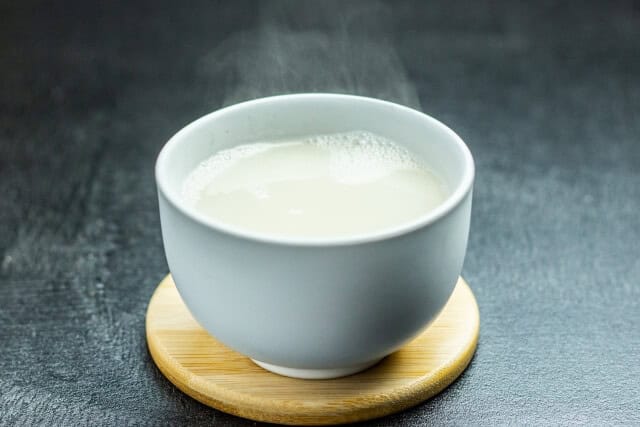
Amazake (甘酒) is a traditional Japanese sweet rice drink made by fermenting rice with koji mold. It is naturally sweet, creamy, and often completely non-alcoholic. Think of it as Japan’s answer to a warm, comforting tonic — one that has been around for over 1,300 years. If you have seen it in a Japanese convenience store or shrine stall and wondered what it actually is, this guide covers everything you need to know.
The Two Types of Amazake: Koji vs. Sake Lees
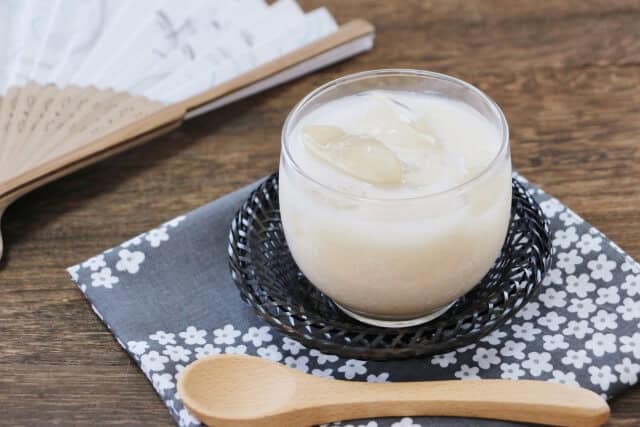
This is the question most people have first. Both versions are sold as “amazake” in stores. They look similar on the shelf. But they are quite different drinks.
麹甘酒 Rice Koji Amazake (Non-Alcoholic)
This is the type made by fermenting steamed rice with koji mold. No yeast is added, so no alcohol is produced. Children, pregnant women, and anyone avoiding alcohol can drink it freely. The sweetness comes entirely from fermentation, not added sugar. During the process, koji enzymes break down the rice starch into glucose. That is why it tastes sweet without a single gram of added sugar. It is a genuinely remarkable thing once you understand the mechanism.
酒粕甘酒 Sake Lees Amazake (Contains Alcohol)
This version is made from sake lees, the solid leftover from sake production. Because yeast was involved in the original sake fermentation, this type retains a small amount of alcohol. Sugar is usually added separately for sweetness. It has a stronger, more complex flavor, and tends to cost less than koji amazake. But it is not suitable for everyone. Always check the label before buying.
Quick check: if the ingredients list says “米麹” (rice koji) with no sake lees, the drink is alcohol-free. If it says “酒粕” (sake lees), it contains alcohol. Check the label every time.
What is Amazake?
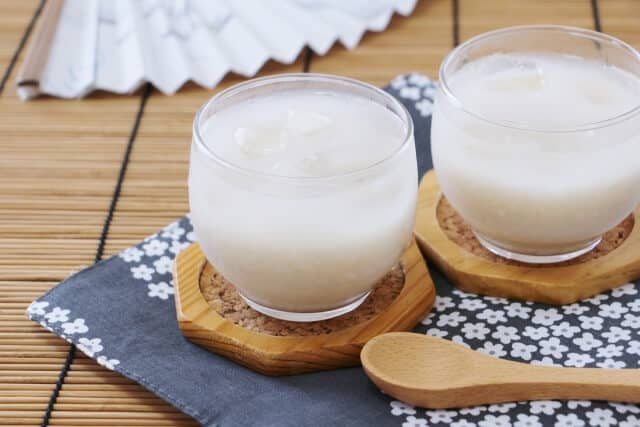
Amazake (甘酒) literally means “sweet sake” in Japanese. The character 甘 means sweet, and 酒 refers to sake or rice-based alcohol. The name comes from the shared fermentation process, not from the taste. Regular sake adds yeast to produce alcohol. Amazake stops before that stage. The result is something sweet, thick, and cloudy — closer to a drinkable rice porridge than a cocktail.
Locals also call it “amagayu” in some regions. The texture varies. Some versions are thin and smooth. Others are thick enough to resemble a light Greek yogurt. The flavor is mildly sweet and slightly earthy, with a gentle rice fragrance. It is warm and comforting in winter, and surprisingly refreshing when served cold.
A Brief History of Amazake
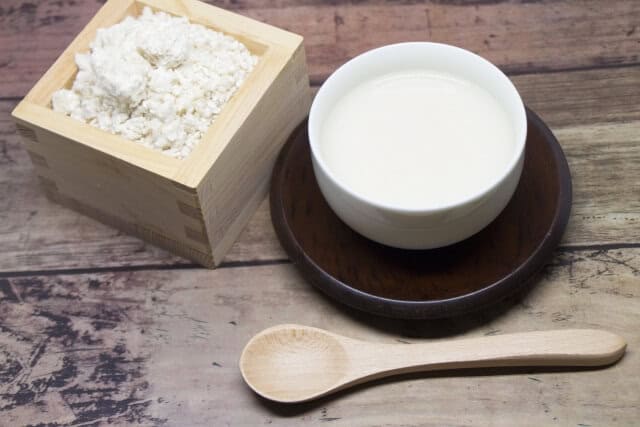
Amazake has been part of Japanese life since the Kofun period, roughly 250 to 538 AD. That is well over 1,300 years of continuous history. The earliest version was made by boiling rice, water, and koji for many hours, creating a nutritious, fermented beverage. It became notable enough to be recorded in the Nihon Shoki, Japan’s earliest official history text, written in 720 AD.
That alone tells you something about how significant this drink was. It was not just food. It was cultural.
Summer Drink or Winter Drink? Both, Actually.
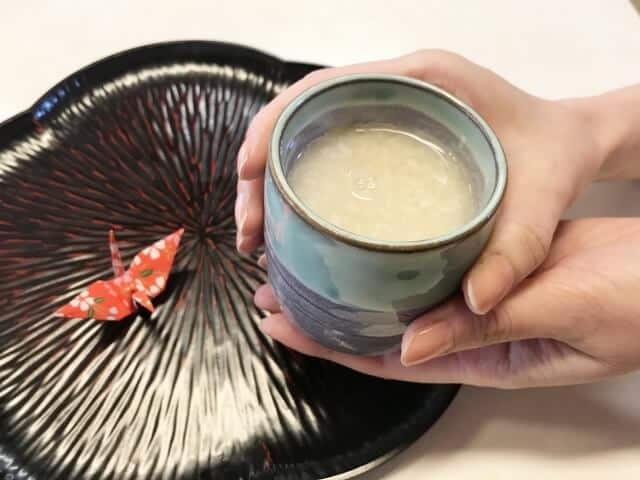
Most people outside Japan picture amazake as a hot winter drink. Shrines serve it warm on New Year’s Eve. That image is strong. But here is the part that surprises people.
In the Edo period, amazake was primarily a summer drink. Street vendors sold it cold to help people recover from summer fatigue. It was so strongly associated with warm weather that it became a kigo, a seasonal reference word used in haiku poetry, for summer. Not winter.
Today, it works in both seasons. In winter, the warm version raises body temperature and provides quick energy from easily digestible carbohydrates. In summer, the cold version replenishes what heat and humidity drain from the body. It is one of those rare drinks that genuinely fits year-round.
What Does Amazake Taste Like?
It is naturally sweet, milky, and earthy. The rice flavor is always present, but it is soft and rounded rather than sharp. Koji amazake has a clean sweetness with no aftertaste. Sake lees amazake is a bit more complex, with a faint fermented edge and more body. Neither version tastes like alcohol in any obvious way.
Served cold on a hot afternoon, it is refreshing in a way that most Western drinks are not. Served hot in the evening, it feels genuinely warming and calming. The texture is thicker than juice, thinner than a smoothie. Some people add grated ginger, which pairs well with the sweetness. Others dilute it with water or milk.
Why is Amazake Sweet Without Added Sugar?
This is the question worth understanding properly. Koji mold produces enzymes called amylases. These enzymes break down the starch in rice into simple sugars, mainly glucose. No sucrose, no sweetener, no extra step. The fermentation process itself creates the sweetness. That is why koji amazake labels often say “no added sugar” while still tasting noticeably sweet. The chemistry handles it.
Nutrition Facts: What’s Actually in Amazake?
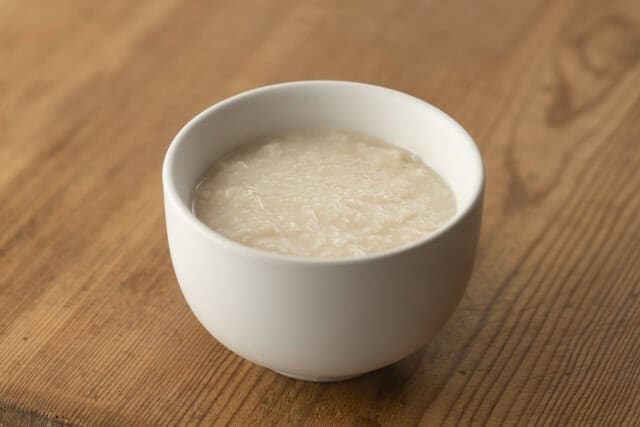
Amazake contains a notable nutrient profile, particularly the koji type. It is worth knowing what is actually there rather than relying on vague health claims.
Amino acids
Koji amazake contains all nine essential amino acids. These are amino acids the body cannot produce on its own and must get from food. Having all nine in a single drink is relatively uncommon.
B vitamins (B1, B2, B6)
These vitamins support energy metabolism. Vitamin B1 helps the body process carbohydrates for energy. B2 supports cellular metabolism. B6 plays a role in hormonal regulation and maintaining skin health. The presence of all three in one drink is a meaningful combination.
Dietary fiber
Amazake contains soluble dietary fiber, which supports gut function. This is one of the reasons it has historically been given to people recovering from illness or physical exertion.
It is worth repeating: this is a sweet drink. Enjoying it as part of a balanced diet makes sense. Treating it as a medical supplement does not.
How to Use Amazake Beyond Just Drinking It
Most people only know amazake as a hot or cold drink. But it has a wider range of uses in Japanese kitchens. Because it is naturally sweet, it works as a sugar substitute in cooking. A spoonful added to a marinade softens meat and adds depth. It blends well into smoothies, giving a creamy texture without dairy. Some bakers use it in place of sugar in muffins or pancakes for a more complex, rounded sweetness.
If you are experimenting at home, start by adding a small amount to plain yogurt or oatmeal. The flavor integrates quietly. You notice the sweetness without identifying the source. That is often how traditional Japanese ingredients work best.
Amazake Recipe: How to Make It at Home
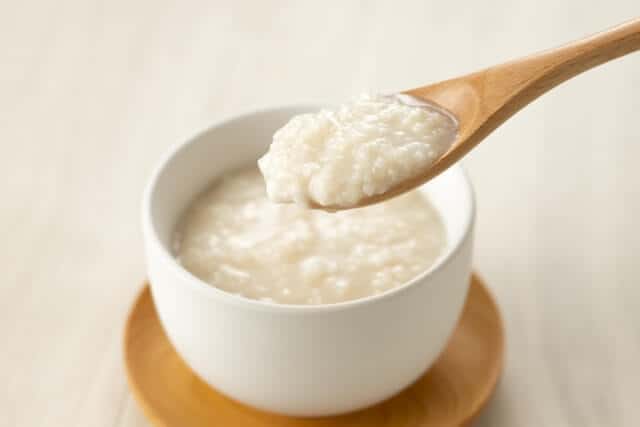
Ingredients (Cold Amazake for 2 persons)
| Ingredient | Amount |
|---|---|
| Brown rice koji (or standard rice koji) | 200g |
| Water | 600g |
| Rice (cooked or mochi) | 200g |
How to Make Cold Amazake
If using mochi, boil it in water until fully dissolved, around 7 minutes on medium heat. The exact time depends on how dry the mochi is and how small you cut it. Once smooth, remove from heat.
Transfer the mixture to a container. Let it cool to below 60°C before adding the koji. This step is important. Too hot and the koji enzymes deactivate. Around 55 to 60°C is the sweet spot, where fermentation begins quickly and sweetness develops faster.
Cover and refrigerate immediately. Do not leave it at room temperature midway. After one to three days, the mixture will reach a sugar content of around 30 degrees Brix, which is naturally sweet without any added sugar. Drink within one week. Store cold throughout.
Where to Buy Amazake in Japan
You can find packaged amazake in nearly every supermarket and convenience store across Japan. Vending machines in some areas even carry it in small cans. But if you want something more memorable, these three spots are worth a visit.
Amanoya (天野屋) — Akihabara, Tokyo
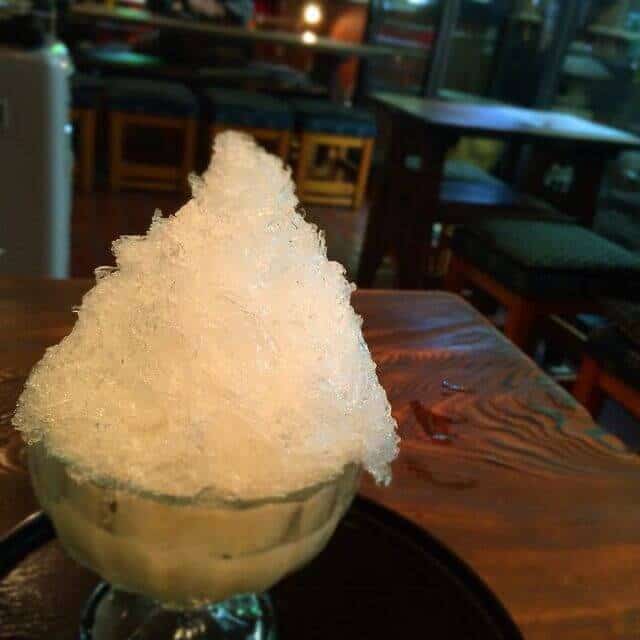
Founded in 1846, Amanoya has been making amazake in Tokyo since the Edo period. They use only rice and koji, with no chemical additives. Their signature “Myojin Amazake” carries a clean, gentle sweetness that comes entirely from natural fermentation. If you want to understand what traditional amazake is supposed to taste like, this is a good place to start.
Futaba (双葉) — Ningyocho, Tokyo
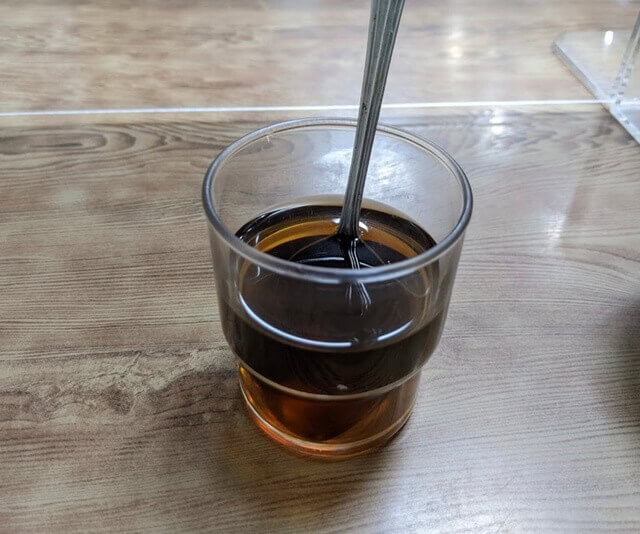
Located in Ningyocho’s famous Amazake Yokocho alley, Futaba sells tofu, tofu doughnuts, and their own rice-koji amazake at the storefront. It is sugar-free and alcohol-free. In summer, they also serve amazake ice cream. If you are in the area and curious about what a neighborhood amazake shop feels like, this is the one to visit.
Setagaya Engawa Cafe (せたがや縁側カフェ) — Setagaya, Tokyo
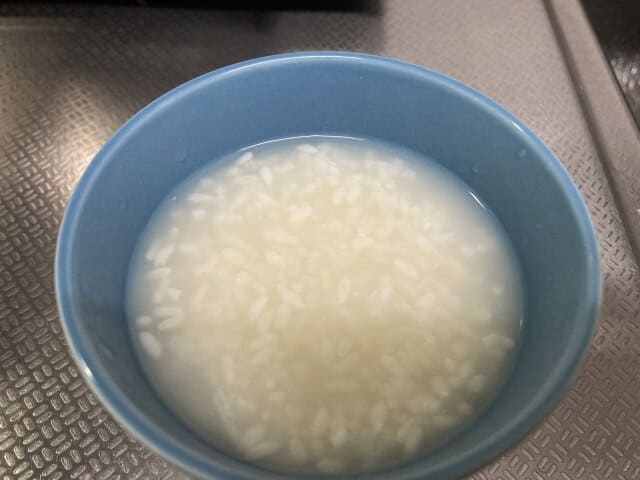
This small, unhurried cafe in Setagaya serves an original brown rice amazake made from brown rice and rice koji. Non-alcoholic and sugar-free, the brown rice version has a slightly nuttier, more fragrant quality than standard amazake. You drink it slowly on the veranda with handmade muffins. It is the kind of experience that is hard to replicate elsewhere.
Final Thoughts
甘酒 Amazake is one of those drinks that seems simple until you look closely. A natural sweetness from fermentation, over a thousand years of history, two very different types under one name, and a seasonal identity that cuts across both summer and winter. It is easy to walk past it in a supermarket without giving it much thought. But try it once, and it tends to stick with you.
If you are exploring Japanese fermented foods more broadly, sake, awamori, and shochu are natural next steps in understanding how deeply fermentation runs through Japanese food culture.
Interested in other traditional Japanese drinks? Browse the full collection on Food in Japan.
FAQ
What is Amazake?
Amazake is a traditional Japanese fermented rice drink. It is naturally sweet, creamy, and usually non-alcoholic when made with rice koji.
Does amazake contain alcohol?
It depends on the type. Koji amazake (麹甘酒) contains 0% alcohol. Sake lees amazake (酒粕甘酒) contains a small amount of alcohol from sake production. Always check the label.
What does amazake taste like?
It is naturally sweet with a mild, earthy rice flavor. The texture is thick and creamy, somewhere between juice and a thin porridge. Koji amazake has a clean sweetness; sake lees amazake has a slightly more complex, fermented character.
Why is amazake sweet without added sugar?
Koji mold produces enzymes that break rice starch down into glucose during fermentation. The sweetness is a natural byproduct of that process, not from added sweeteners.
Why is amazake called a “drinking IV drip”?
The comparison refers to its glucose, amino acids, and B vitamins, which are absorbed quickly and provide rapid energy. The phrase is commonly used in Japan as a shorthand for its nutritional density.
Can children drink amazake?
Yes, but only the koji type. Confirm the label shows no sake lees before giving it to children.
Is amazake served hot or cold?
Both. Hot amazake is common at winter shrine visits. Cold amazake is a classic summer refreshment. It works well either way.
Is amazake vegan?
Yes. The standard koji type contains only rice, water, and koji mold. No animal products are used.
Is amazake gluten-free?
Generally yes. Rice and koji are naturally gluten-free. Check individual product labels if you have a sensitivity.
Where can I buy amazake in Japan?
Supermarkets, convenience stores, and some vending machines carry packaged amazake. Specialty shops and shrines often carry freshly made versions.
Can I use amazake in cooking?
Yes. It works as a natural sweetener in marinades, baked goods, and smoothies. The koji type adds a mild, rounded sweetness without overpowering other flavors.
When do Japanese people traditionally drink amazake?
At New Year’s shrine visits, on Girls’ Day (March 3rd), and historically during summer to prevent fatigue. Today it is consumed year-round.
What is the difference between koji amazake and sake lees amazake?
Koji amazake is non-alcoholic, naturally sweet, and made by fermenting rice directly with koji mold. Sake lees amazake is made from sake byproducts, contains alcohol, and usually requires added sugar.
Is amazake good for skin or digestion?
Many people in Japan drink it for that reason. It contains B vitamins, amino acids, and dietary fiber. These are nutrients associated with skin health and gut function, though individual results vary.
How long has amazake been part of Japanese culture?
Over 1,300 years. It is mentioned in the Nihon Shoki, Japan’s earliest official historical text, written in 720 AD.
References
- Amanoya — amanoya.jp
- Setagaya Engawa Cafe — setagaya-1.com/engawacafe
- Foodex Japan — Amazake market sales data 2016–2017
- Nihon Shoki (720 AD) — earliest Japanese official history, mentions amazake



Comments