




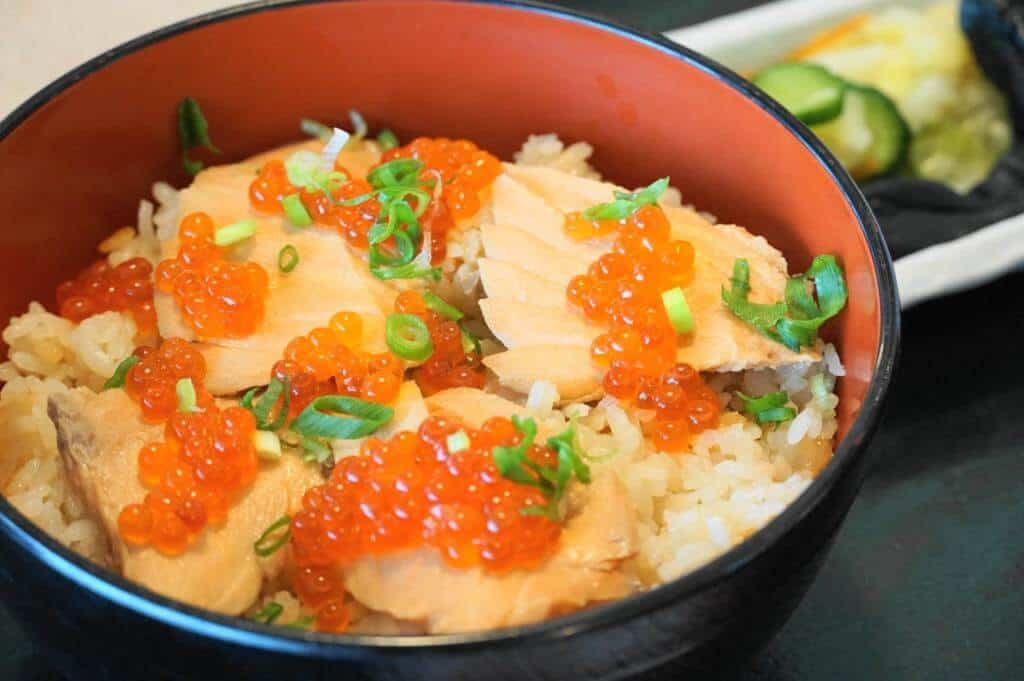
Harako meshi is a traditional Miyagi rice dish from Watari Town. Cooks simmer salmon, use the broth to season the rice, then top it with salmon and ikura. People eat it mainly in autumn, especially from September to November.
Rice is a staple food across Asia. Harako meshi turns that staple into a seasonal Miyagi specialty. I will admit, I once thought it was just another rice bowl. One bite in autumn changed my mind completely.
5 Key Facts About Harako Meshi
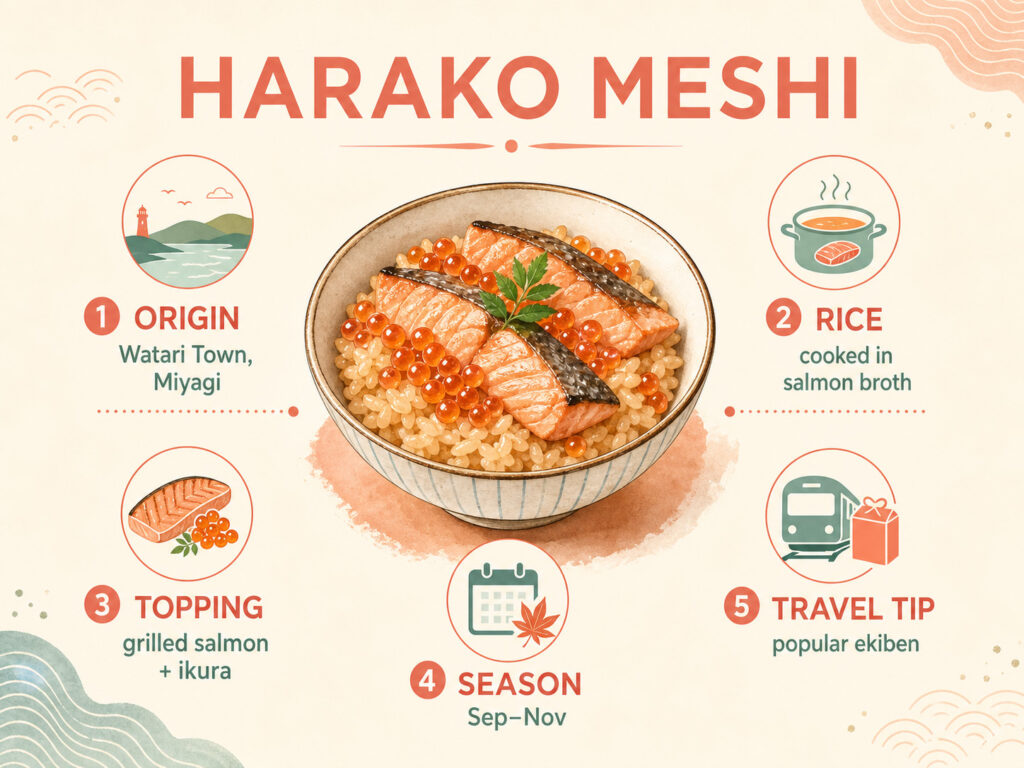
- Origin: a local dish of Watari Town, Miyagi Prefecture.
- Rice: cooked in salmon broth, not plain water.
- Topping: grilled salmon and bright salmon roe (ikura).
- Season: best from September to November.
- Travel tip: also sold as a popular ekiben.
What Is Harako Meshi?
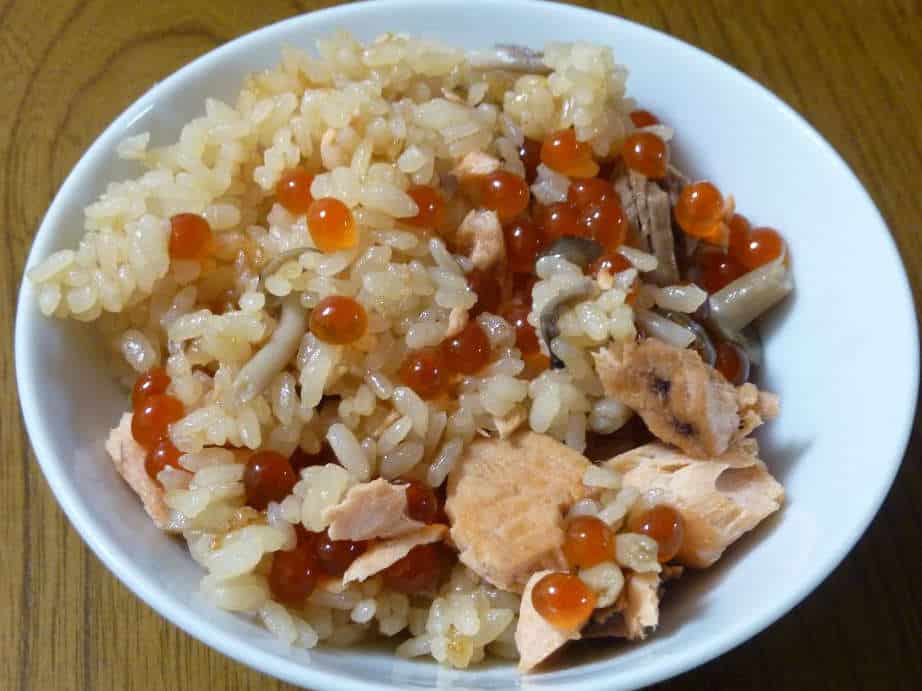
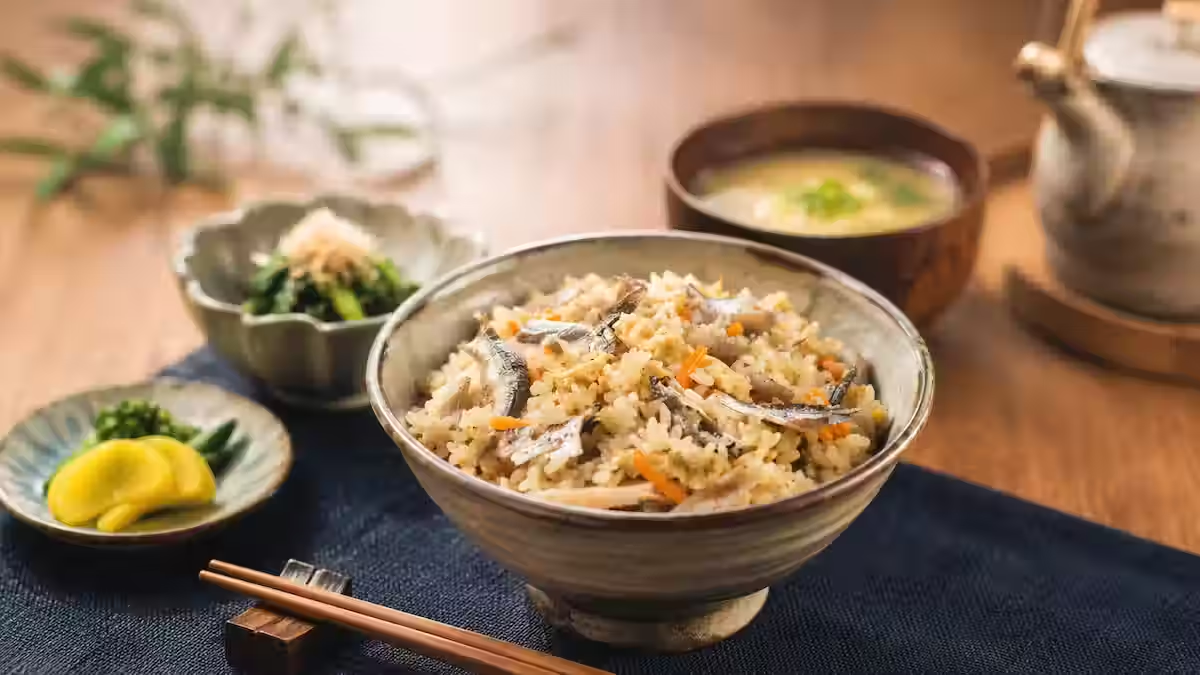
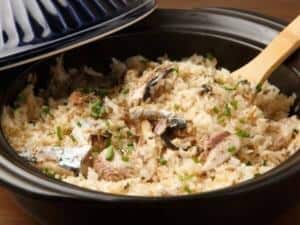
Harako meshi is steamed rice topped with salmon and large salmon roe. Chefs cook the rice in salmon broth. They season it with mirin and soy sauce. This gives the rice a gentle, savory depth.
The word “harako” refers to the salmon roe. So the name simply means roe rice. It is a proud Miyagi tradition, much like zunda mochi and kamaboko.
What Does Harako Meshi Taste Like?
The first thing you notice is the rice. It smells faintly of salmon and soy, warm and inviting. Each grain carries the broth, so even plain rice tastes savory. I was unsure at first whether broth-cooked rice might feel heavy. It does not.
The flavor stays gentle and clean. Soft flakes of salmon melt into the rice. Then the roe pops, releasing little bursts of salty richness. It is comforting rather than fancy, the kind of bowl you quietly finish too fast.
When to Eat Harako Meshi
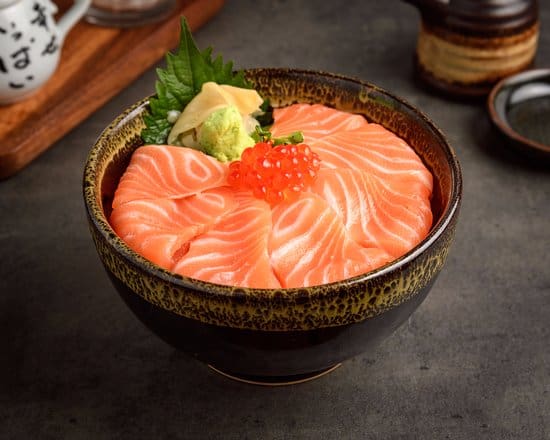
Autumn is the season for this dish. The best window runs from September to November. This is when salmon return to the local rivers. So the fish and roe are freshest then.
Many restaurants in Watari serve it only in this period. Autumn festivals feature it too. Locals often enjoy it with a warm salmon ara soup on the side. That pairing makes a comforting seasonal meal.
Harako Meshi vs Salmon Ikura Don
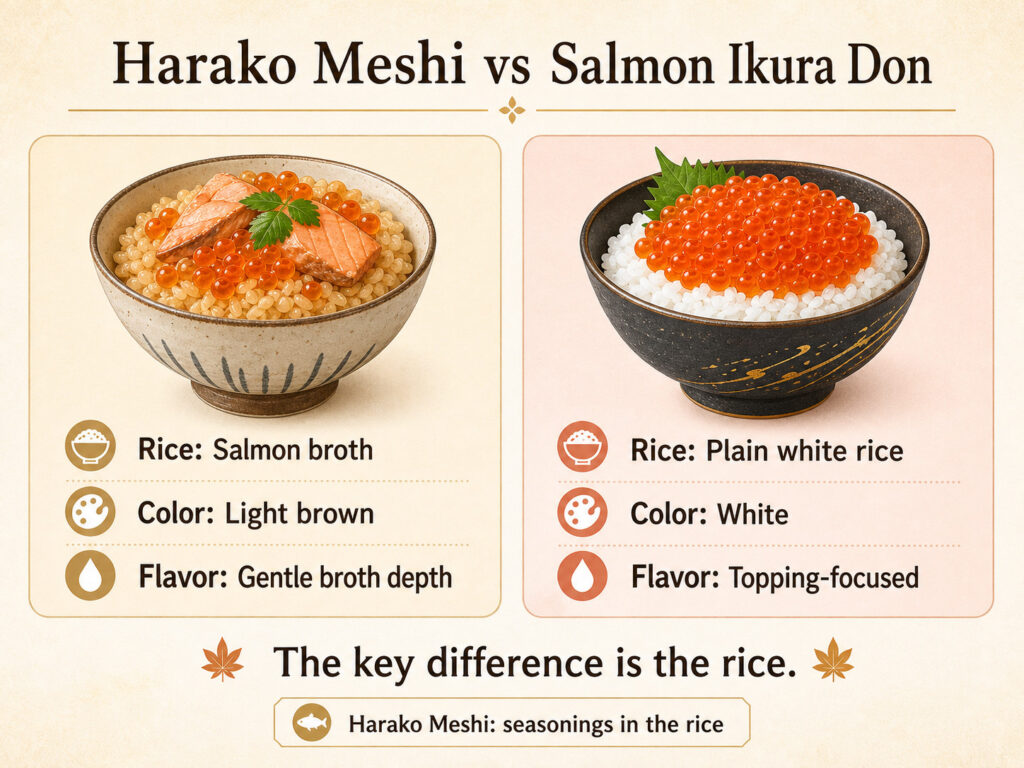
The two dishes look alike, yet they differ. The key difference is the rice. The table below makes it clear.
| Harako Meshi | Salmon Ikura Don | |
|---|---|---|
| Rice | Cooked in salmon broth | Plain white rice |
| Color | Light brown, seasoned | White |
| Flavor | Gentle broth depth | Topping-focused |
| Region | Miyagi local dish | General seafood bowl |
| Season | Strongly autumn | Year-round |
So harako meshi carries more seasoning in the rice itself. The broth flavor reaches every grain. A plain ikura bowl, by contrast, lets the toppings lead.
History of Harako Meshi

The dish began as fishermen’s food along the Abukuma River. Watari sits where the river meets the sea. Salmon ran thick here, so locals cooked simple roe rice. No one knows the exact start date.
The river’s salmon earned a fine reputation. Locals even offered it to the shogunate. When Date Masamune visited Watari, fishermen served him harako meshi. The lord enjoyed it, and the tradition grew from there.
Later, during the Meiji era, restaurants in Arahama began selling it. From there, its fame spread well beyond Miyagi. There is even a Harako Meshi Day on October 8. The “8” stands for the “ha” in harako, and it looks like stacked roe.
Cultural Significance
Harako meshi is more than a restaurant dish. It is a true home-style food in Watari. Many families have their own recipe and ratio. People there proudly say their own version tastes best.
That pride keeps the tradition alive across generations. The dish also marks the rhythm of autumn. When the salmon return, the season feels complete. For more local context, see our guide to Miyagi food.
Harako Meshi Recipe
You can make it at home with a few ingredients. The trick is the salmon broth and good roe. Here is a simple version for two to three servings.
Ingredients (2-3 Servings)
| Ingredient | Amount |
|---|---|
| Rice | 300 g |
| Salmon | 3 slices |
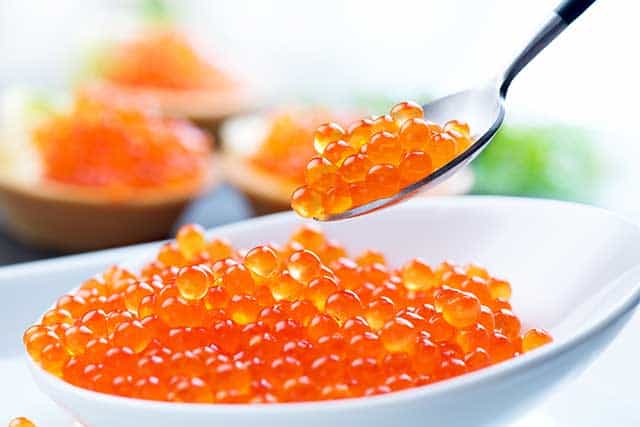
| Salmon roe (soy-marinated) | 50 g |
| Mirin | 2 tbsp |
| Soy sauce | 2 tbsp |
| Water | 100 cc |
| Dashi stock | 1 tbsp |
| Kelp (kombu) | 1 small sheet |
| Green onions | to garnish |
Tip: marinate the roe a few hours ahead. It plumps up nicely in soy sauce, and a little mirin or sake adds extra flavor.
Steps
Rinse the salmon and pat it dry. Then cut it into bite-size pieces. This helps it cook evenly later.
Combine soy sauce, mirin, kelp, and dashi in a pan. Add the salmon and simmer over medium heat. Let the flavors blend well.
Once it boils, turn off the heat. Lift out the salmon and kelp onto plates. Keep the seasoned broth for the rice.
Add the broth and water to the rice. Cook it as usual. The grains should turn a light, savory brown.
Scoop the warm rice into a bowl. Lay the salmon on top, then add the roe. Finish with green onions and serve.
Tip: do not overcook the salmon. As soon as the flesh turns from orange to light pink, take it off the heat.
Nutrition Facts
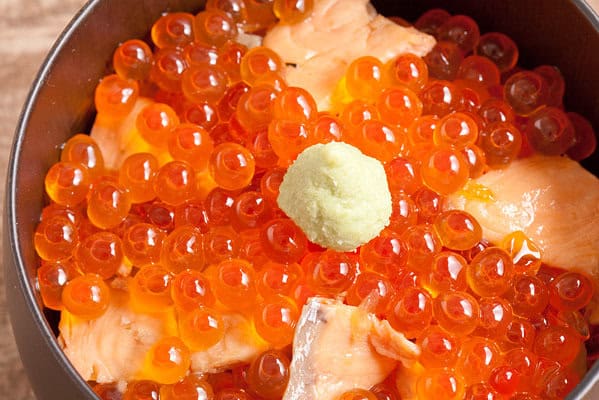
This bowl is tasty and fairly nourishing. A serving lands roughly around 430 to 650 kcal. The exact number depends on portion and recipe. Both the salmon and roe pack real nutrition.
Salmon roe is rich in protein and omega-3 fats. It also brings vitamin D and B12. The grilled salmon adds heart-healthy fats and minerals. Rice rounds it out with steady energy from carbohydrates.
Cost and Price Range
Prices vary by shop, season, and set menu. A bowl usually costs around 1,700 to 3,000 yen. The ekiben version tends to be cheaper, near 1,700 yen. Premium shop sets sit at the higher end.
Where to Eat Harako Meshi in Japan
The heart of it is Watari Town and the Arahama coast. Shops there serve it fresh through autumn. You can also buy it as an ekiben at Sendai Station. Morioka Station sometimes carries it too.
Arahama
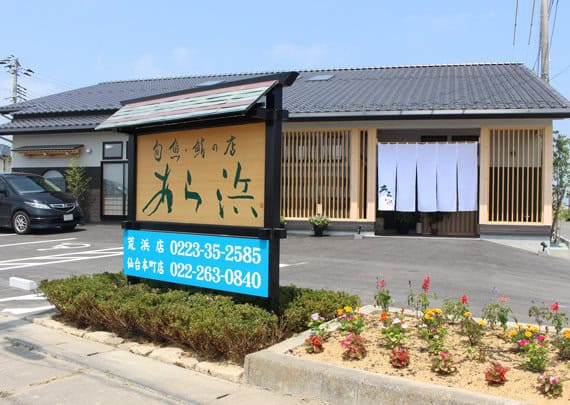
Arahama is a fish and sushi restaurant in the dish’s birthplace. It reopened in 2016 after the Great East Japan Earthquake. The team uses male salmon and works to remove any fishy smell. Staff suggest mixing it so each bite holds all three parts.
- Area: Arahama, Watari.
- Known for: the birthplace reputation.
- Best for: first-timers who want the original.
Denen

Denen serves harako meshi as a limited seasonal offer. Sales usually run from mid-September to mid-December. It also has other seasonal bowls, like hokkimeshi and kakimeshi. Book ahead, since it gets busy in season.
- Area: Yamamoto, Watari District.
- Known for: seasonal local bowls.
- Best for: a reserved autumn meal.
Hama Sushi
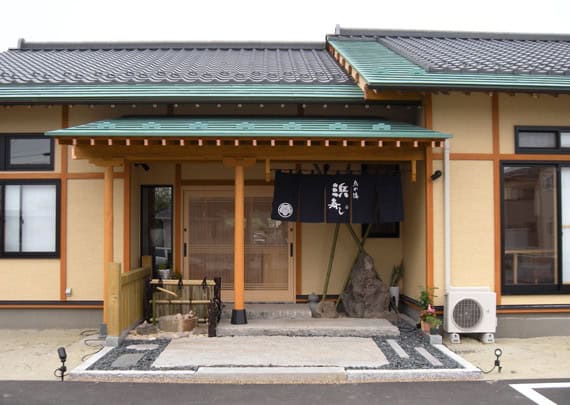
Hama Sushi has served harako rice for over 50 years. The owner follows his grandmother’s family recipe. The shop uses local ingredients, including soy sauce from Nagata. Its yuzu-scented soy sauce adds an elegant touch.
- Area: Torinoumi, Watari.
- Known for: a 50-year family recipe.
- Best for: fans of traditional, local flavor.
Conclusion
Harako meshi captures autumn in Miyagi in one bowl. Broth-cooked rice, grilled salmon, and bright roe come together beautifully. It carries deep roots in Watari and the Abukuma River.
So try harako meshi in Miyagi during autumn, or cook it at home with salmon, rice, and ikura. If you want another Miyagi specialty, try zunda mochi. For a different seafood tradition, read about kamaboko.
Harako Meshi FAQ
What does harako mean?
Harako refers to salmon roe in Japanese. So the name means roe rice. The dish tops broth-cooked rice with salmon and that roe. It is a specialty of Watari Town in Miyagi.
When is the best season?
People eat it mainly from September to November. This is when salmon return to the rivers. Restaurants in Watari and across Miyagi serve it during this period. Autumn festivals also feature the dish.
How is it different from salmon ikura don?
The rice sets them apart. This dish cooks the rice in salmon broth. A salmon ikura don uses plain white rice instead. As a result, harako meshi has a deeper, seasoned flavor.
Where can I eat it in Japan?
Watari Town and the Arahama coast are the main spots. Shops there serve it fresh in autumn. You can also buy it as an ekiben at Sendai Station. It is a great meal for a train trip.
How much does it cost?
A bowl usually costs around 1,700 to 3,000 yen. The price depends on the shop, season, and set. The ekiben version is often a bit cheaper. Premium sets sit at the higher end.
Can I make it at home?
Yes, it is quite doable. You simmer salmon to make a seasoned broth. Then you cook the rice in that broth. Top it with salmon and marinated roe to finish.
Is it healthy?
It offers solid nutrition in one bowl. Salmon and roe bring protein and omega-3 fats. They also add vitamin D and B12. Just enjoy it in moderation, since roe is salty.
Why is Miyagi known for it?
Miyagi has many rivers and a strong salmon catch. The Abukuma River near Watari runs full of salmon. So roe rice grew naturally as local food. The dish became a regional point of pride.
References
- MAFF, Uchino Kyodo-ryori (Harako Meshi), https://www.maff.go.jp/j/keikaku/syokubunka/k_ryouri/ (Surveyed: June 2026)
- Watari Town Tourism, Harako Meshi, https://www.watari-kanko.com/ (Surveyed: June 2026)
- Wikipedia, Harako Meshi, https://ja.wikipedia.org/wiki/はらこ飯 (Surveyed: June 2026)
Related Articles
- Zunda Mochi (ずんだ餅) (Surveyed: June 2026)
- Kamaboko (蒲鉾) (Surveyed: June 2026)
- Sendai Zouni (仙台雑煮) (Surveyed: June 2026)



Comments