'/%3E%3Cpath%20fill='%23b2b2b2'%20d='M241%20382q0%2016%2017%2026%2017%2011%2042%2011t42-11q16-11%2017-26V269H241'/%3E%3Cpath%20fill='%239f7e00'%20d='M241%20379q0%2014%208%2023%209%209%2021%209%2014%200%2021-9%209-9%209-23V269h-59'/%3E%3Cpath%20d='M241%20339v-70h59v110q0%2014-9%2023l-6%205v-68h-15v72q-8%200-14-4v-68zm59%2040c0%2022%2015%2032%2029%2032%2021%200%2030-18%2030-32v-40h-59'/%3E%3Cpath%20fill='%239f7e00'%20d='M266%20277v5h2v12h-3v-5h2v-5h-9v5h2v5h-4v9h3v18h-5v10h34v-10h-5v-18h3v-9h-4v-5h2v-5h-9v5h2v5h-3v-12h2v-5zm42%20101q0%2010%206%2017%206%206%2015%207%2010-1%2016-7%206-7%206-17v-29h-43'/%3E%3Ccircle%20fill='%230044ad'%20cx='329.5'%20cy='372'%20r='6'/%3E%3Cellipse%20fill='%230044ad'%20cx='300'%20cy='340'%20rx='16'%20ry='21'/%3E%3C/svg%3E)


'%3E%3Cpath%20stroke='%23000'%20stroke-width='4'%20d='m-35-37-13%2020m5%203%2013-20m5%203-13%2020m63%2042%206-9m1-2%206-9m5%203-6%209m-1%202-6%209m5%203%206-9m1-2%206-9m-96%200%2013%2020m5-3-6-9m-1-2-6-9m5-3%2013%2020m63-42-6-9m-1-2-6-9m5-3%2013%2020m5-3-6-9m-1-2-6-9'/%3E%3Ccircle%20r='24'%20fill='%23cd2e3a'/%3E%3Cpath%20fill='%230047a0'%20d='M0%200a12%2012%200%201%201%2020%2013%2024%2024%200%201%201-40-26A12%2012%200%201%200%200%200'/%3E%3C/g%3E%3C/svg%3E)




Search results for “kyoto”
-

One Day in Kyoto: A Food Itinerary from Breakfast to Dinner
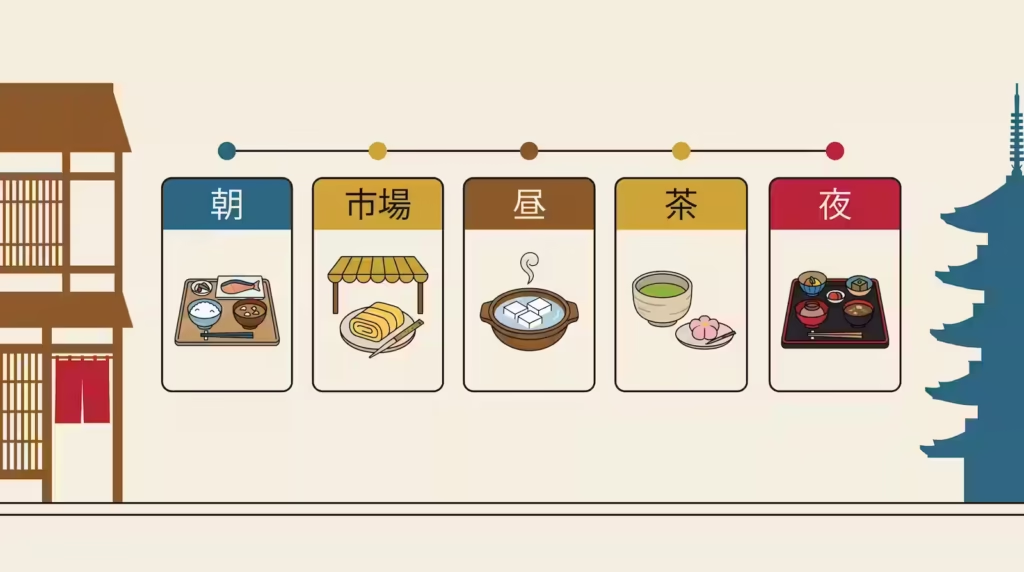
You have one day in Kyoto, a list of temples, and room for a few memorable meals. So where should you begin? Many first-time visitors eventually ask 京都で何食べる (Kyoto de nani taberu?), meaning "What should I eat in Kyoto?" The answer... -
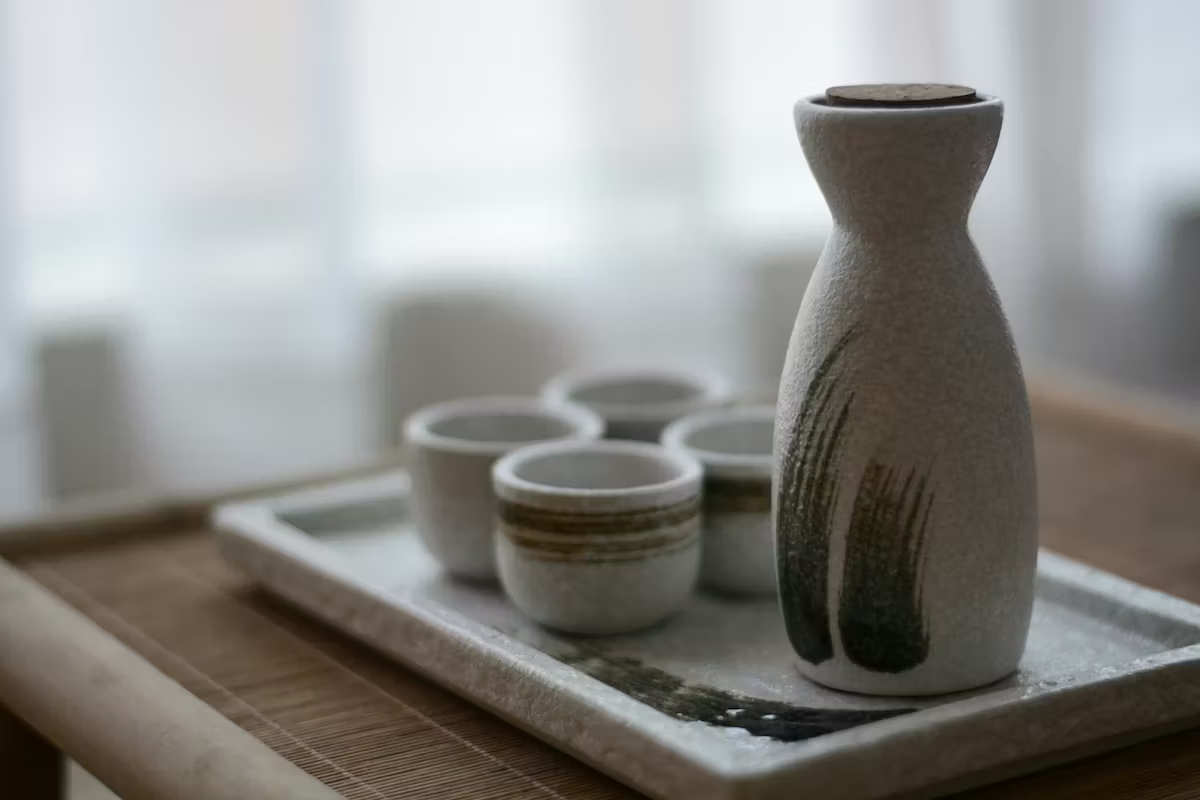

Kyoto Sake (京都の酒)
Kyoto sake is known for smooth texture, fragrant sake aroma, and an elegant finish. The center of this regional sake culture is Fushimi, a historical brewery district in southern Kyoto. Soft water, Kyoto brewing tradition, and the city’s... -

What to Eat in Kyoto: 20 Must-Try Foods for Every Visitor
Kyoto is where Japanese food culture reached its highest refinement. For over a thousand years, as Japan's imperial capital, the city developed a cuisine built on restraint, seasonality, and respect for ingredients rather than boldness o... -
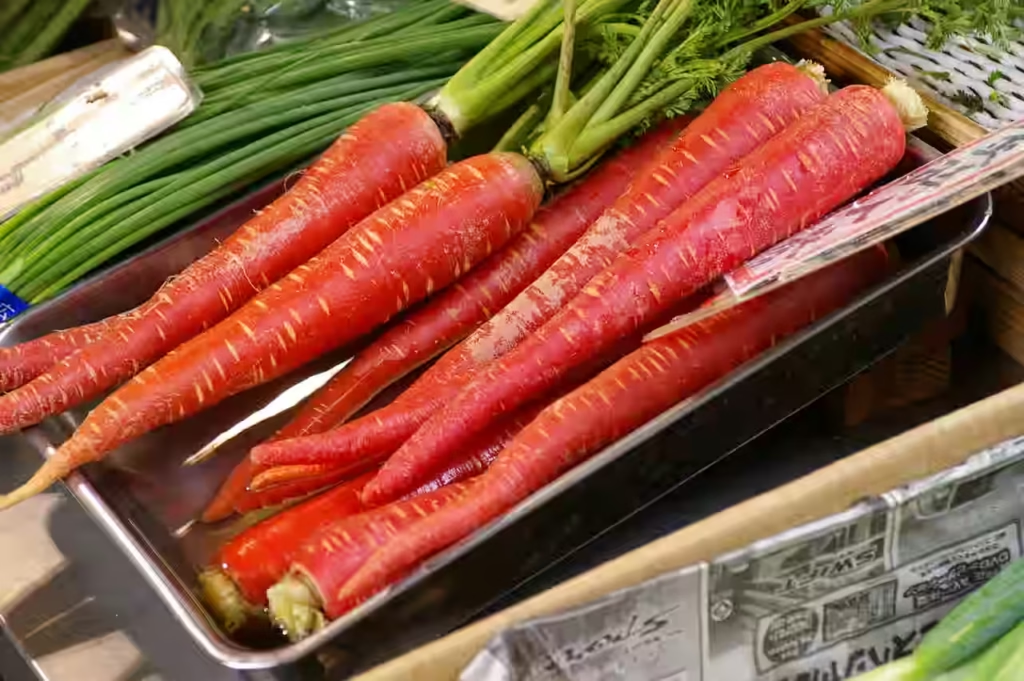

Kyoto red carrot (京にんじん)
The Kyoto Red Carrot, known in Japan as Kintoki Ninjin, is a prized vegetable of the Japanese winter. It stands out because of its bright scarlet color and long, thin shape. This carrot is a must-have for traditional holiday fo... -
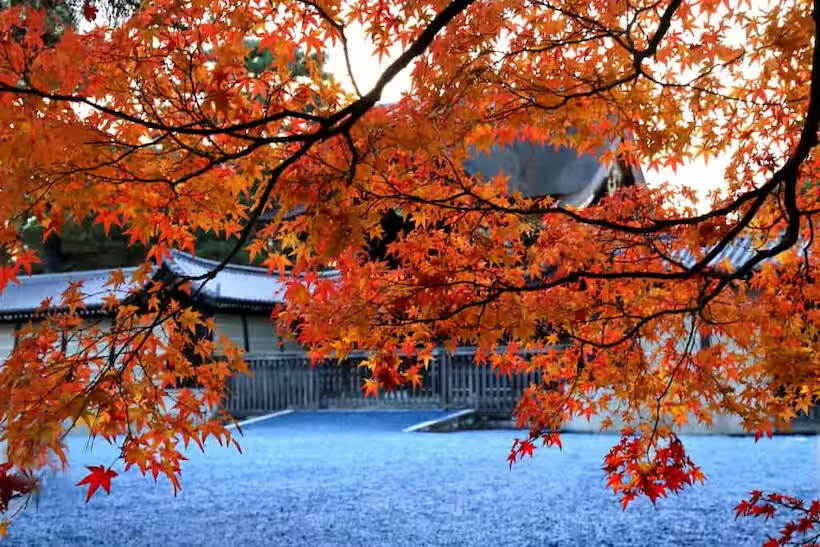

The Ultimate Kyoto Food Guide
Kyoto is not just about temples and geishas - it's also a foodie's paradise with a centuries-old culinary tradition! Join us as we explore the vibrant food scene of this enchanting city, where Kyoto cuisine takes center stage. We'll savo... -
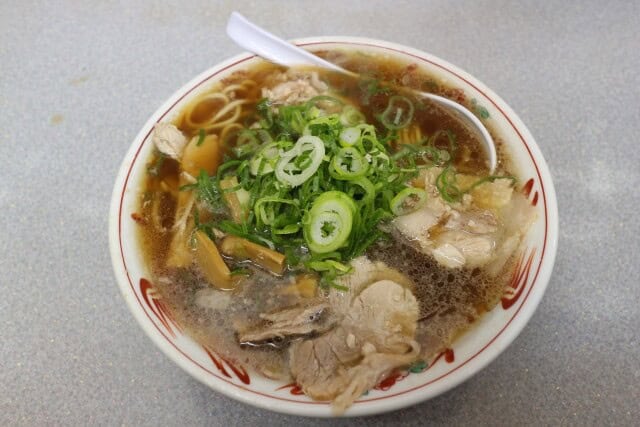

Kyoto ramen (京都ラーメン)
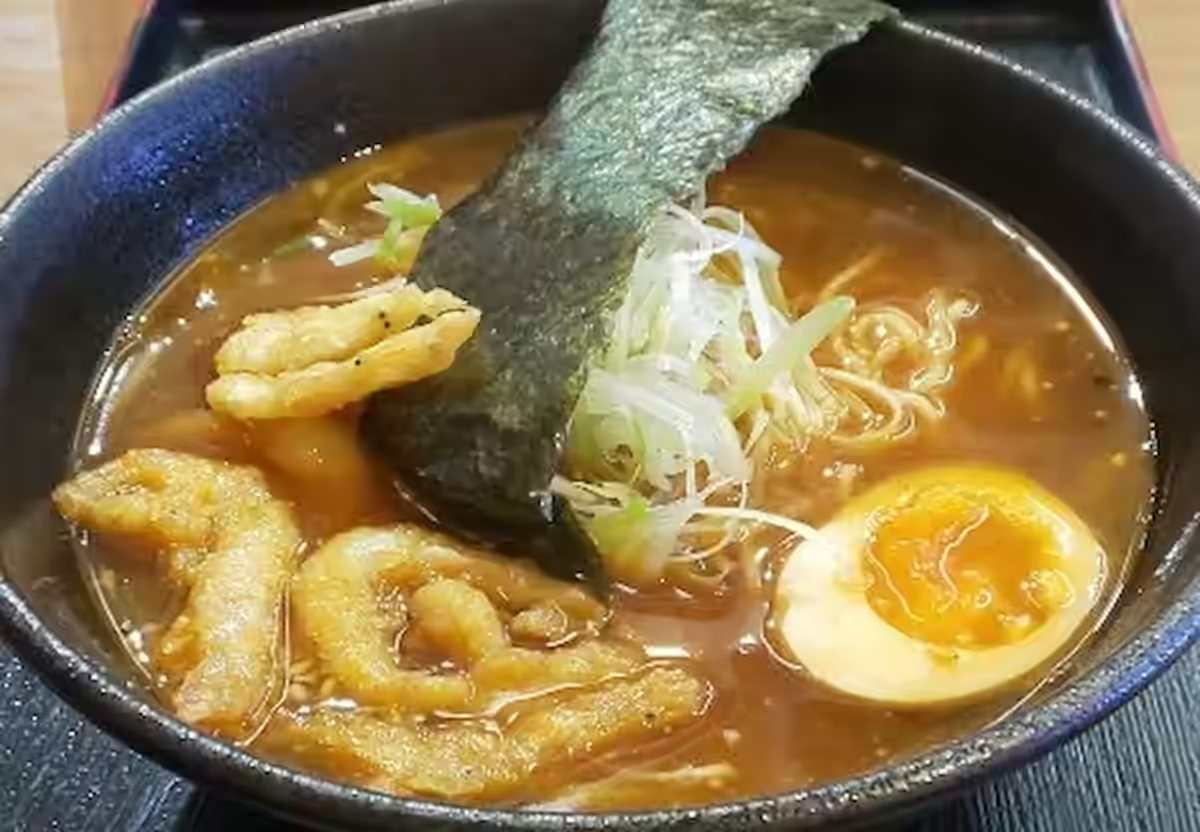
Kyoto is an ancient city that is also attractive for sightseeing. Naturally, the food culture will be deep if the place is the origin. The soup stock culture in the Kansai region naturally has a positive effect on local ramen and is ente... -
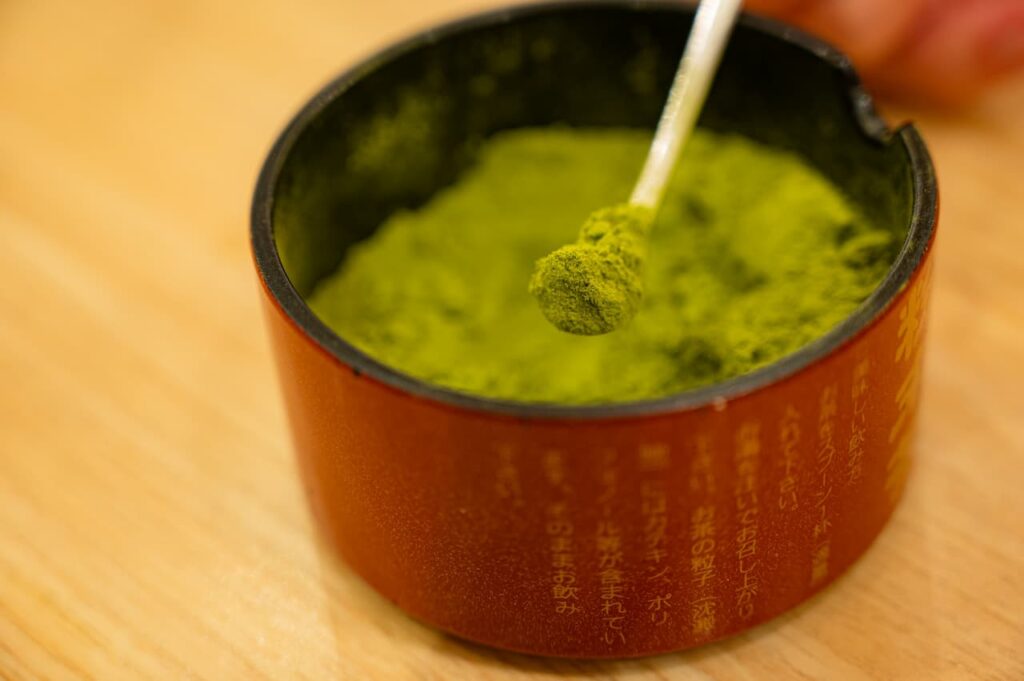
Konacha (粉茶)
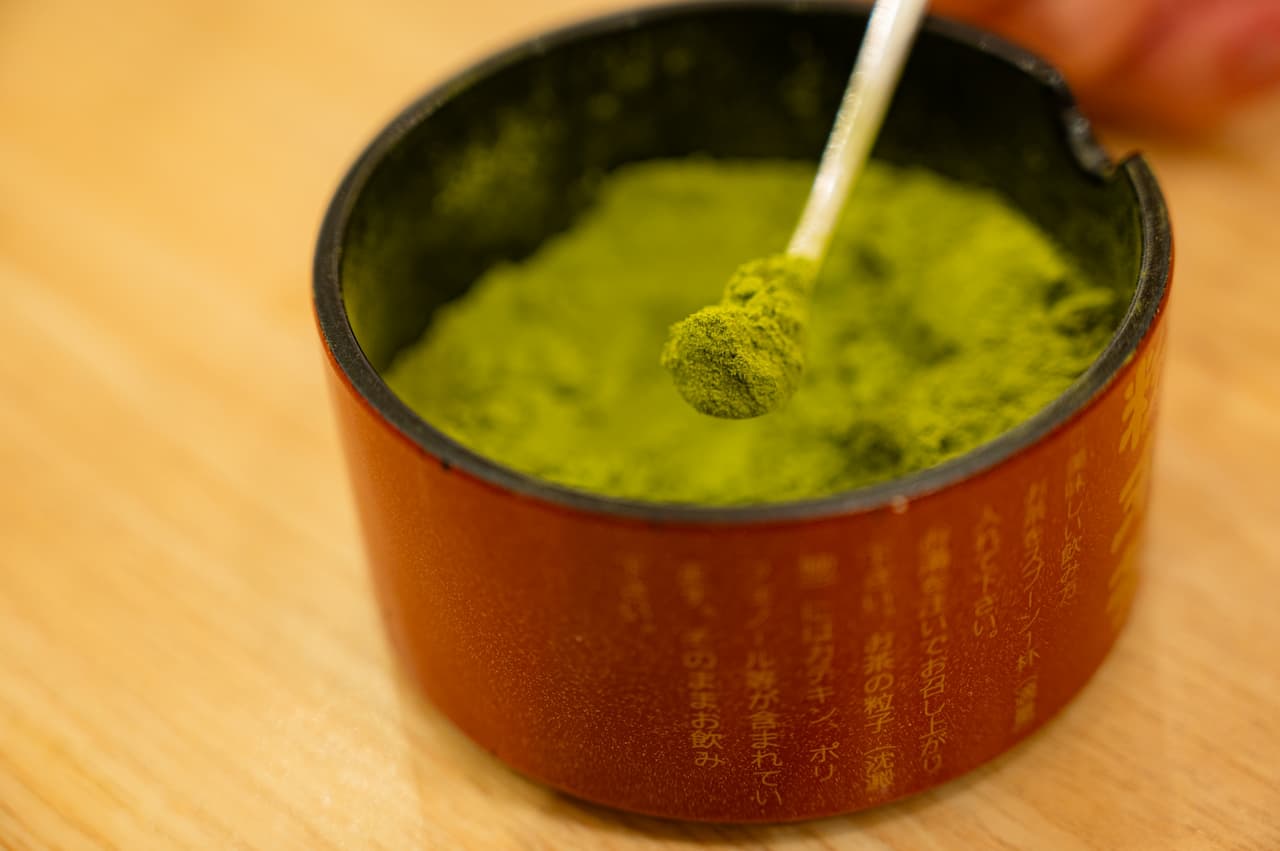
Sit down at a sushi counter in Tokyo, and before you have even opened the menu, a tall, heavy cup lands in front of you. The tea inside is a deep, slightly cloudy green, very hot and pleasantly strong. Most visitors drink it without a se... -
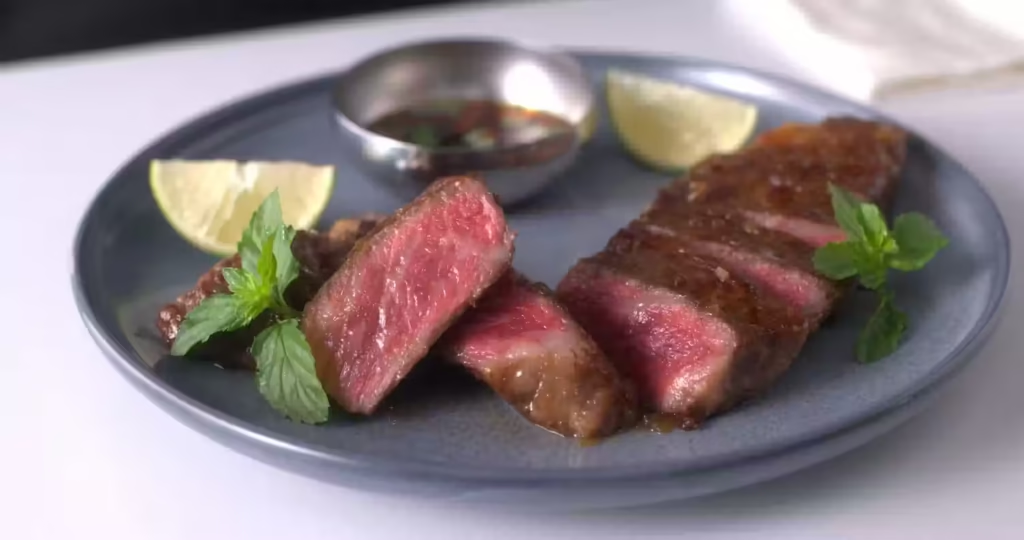

Oita Wagyu: A Guide to Oita’s Premium Japanese Beef
Oita Wagyu (おおいた和牛) is a premium certification for selected Oita Bungo Beef from Oita Prefecture, on the island of Kyushu. It is not a separate breed. To qualify, the beef must reach meat quality Grade 4 or 5. It must also come fro... -
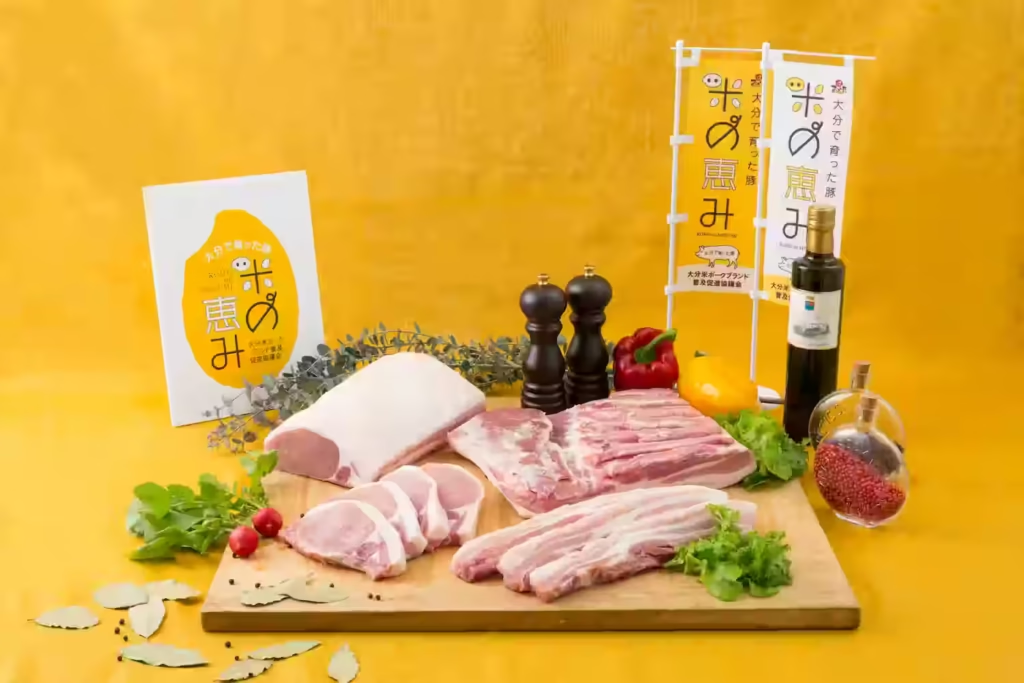
Kome no Megumi Pork (米の恵み)
In Oita, some pigs eat rice before they reach the table. That simple detail sits behind Kome no Megumi pork (米の恵み), the prefecture's unified pork brand. The name means “blessing of rice,” and it covers pork from pigs given feed with ... -
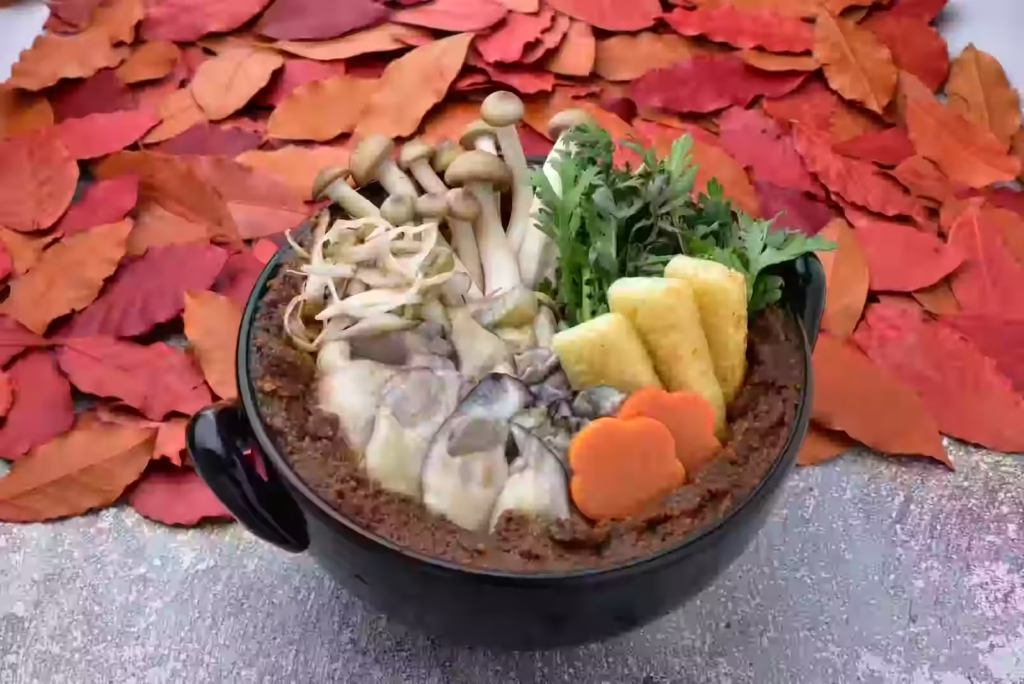

Kaki no Dotenabe (かきの土手鍋)
Picture a clay pot on a winter table in Hiroshima, its inner rim coated with a thick ridge of miso. That ridge is the whole point of Kaki no Dotenabe, a Hiroshima oyster hot pot. Oysters, tofu, and vegetables simmer in dashi broth, and d...