




Search results for “kansai”
-

Complete Guide to Kansai Food: Must-Try Dishes and Culinary Culture
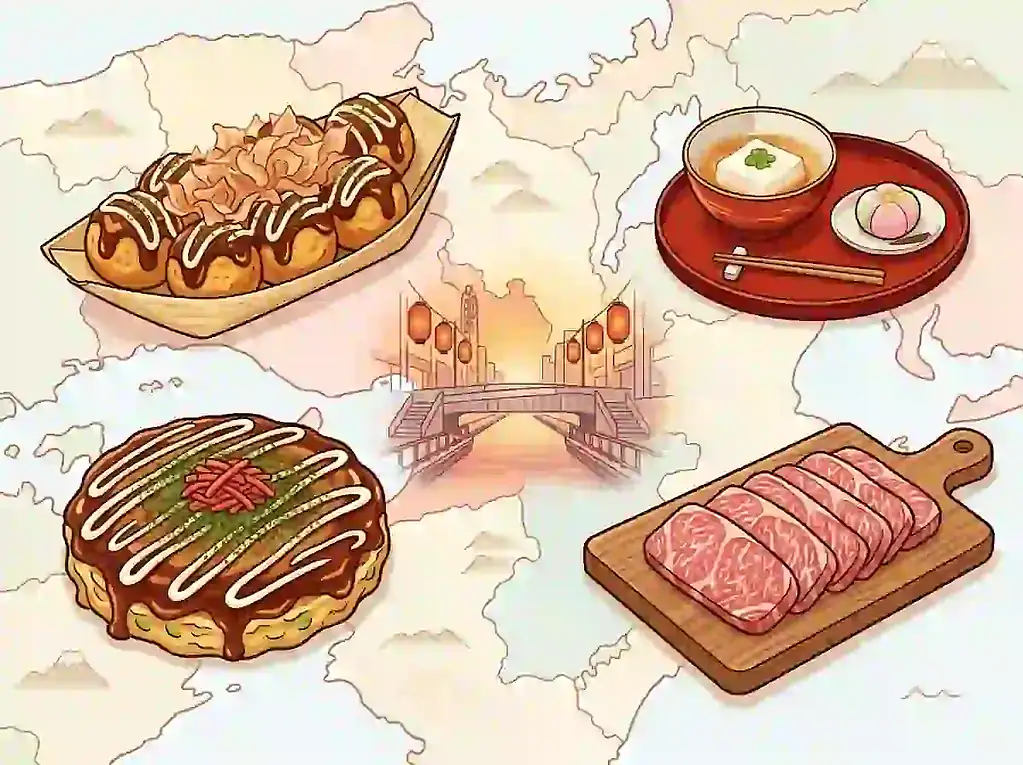
関西の食 Kansai Food Guide Takoyaki · Kaiseki · Kobe Beef This Kansai food guide spans seven prefectures — Osaka, Kyoto, Hyogo, Nara, Shiga, Wakayama, and Mie — and explores one of the most diverse and celebrated food cultures in the cou... -
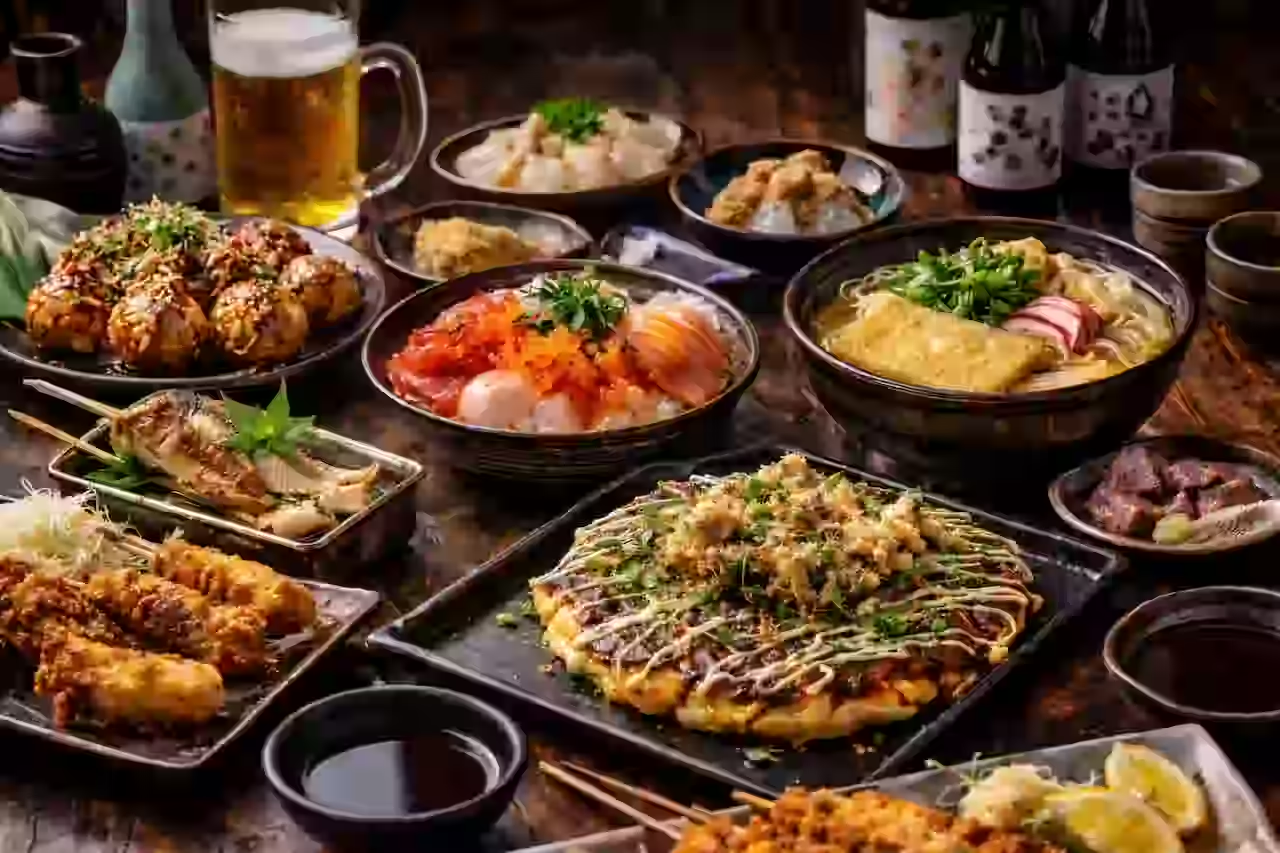

The Complete Kansai Food Guide You Didn’t Know You Needed
If you're planning a trip to Japan, the Kansai region is probably already on your list. Kyoto, Osaka, Nara are names that almost everyone recognizes. But here's the thing: most travelers spend so much time planning what to see that they ... -
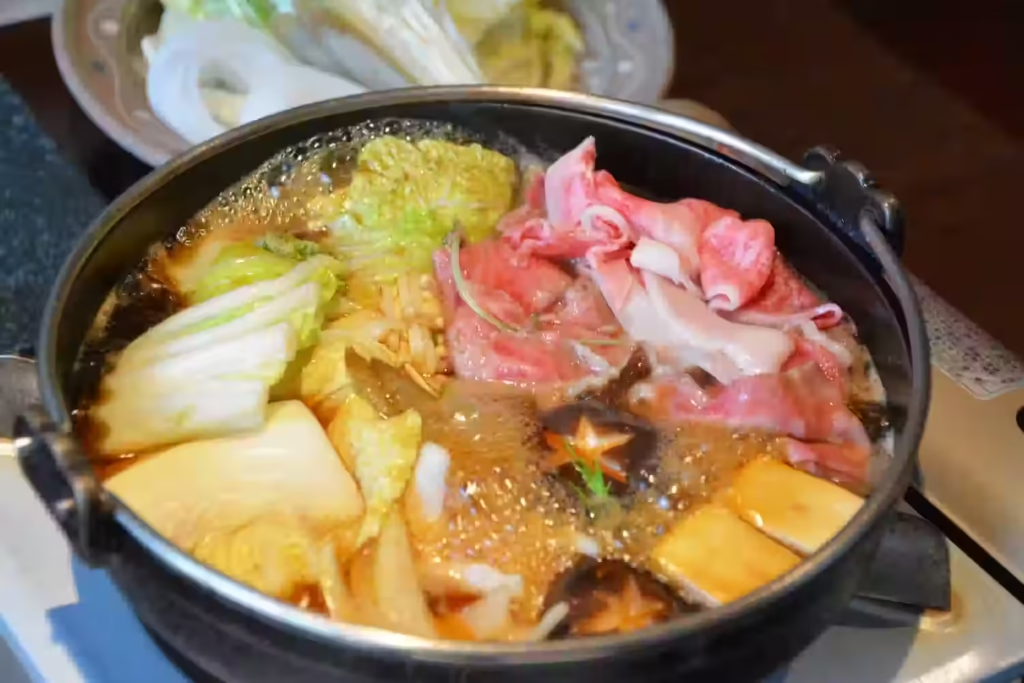

Kansai Style Sukiyaki (関西風すき焼き)
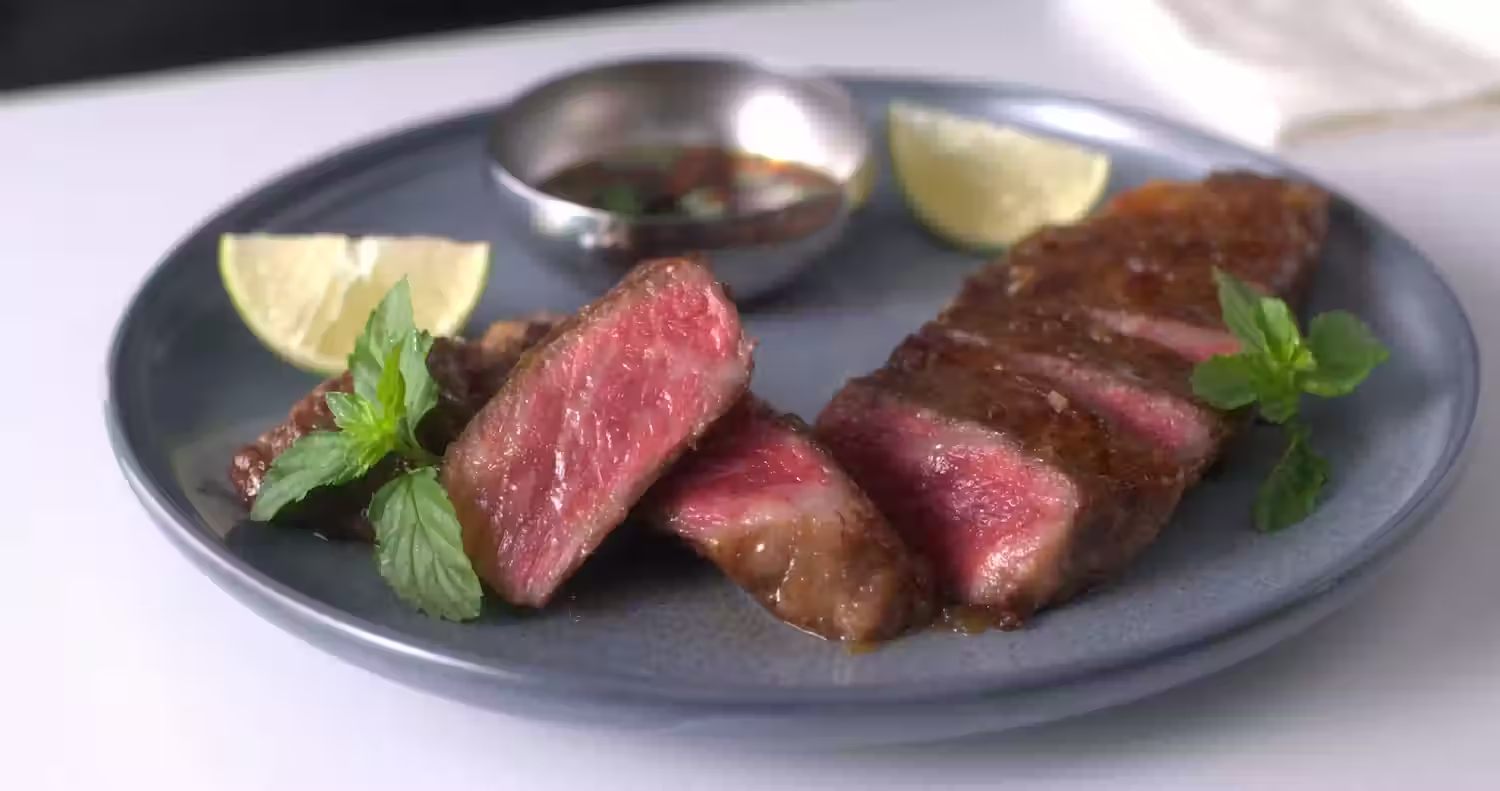
Kansai-style sukiyaki (関西風すき焼き) is a Japanese hot pot that begins by searing beef with sugar. The cook then adds soy sauce, sake, and other seasonings straight to the pan. In the classic method, no pre-mixed sauce waits in a jug. ... -
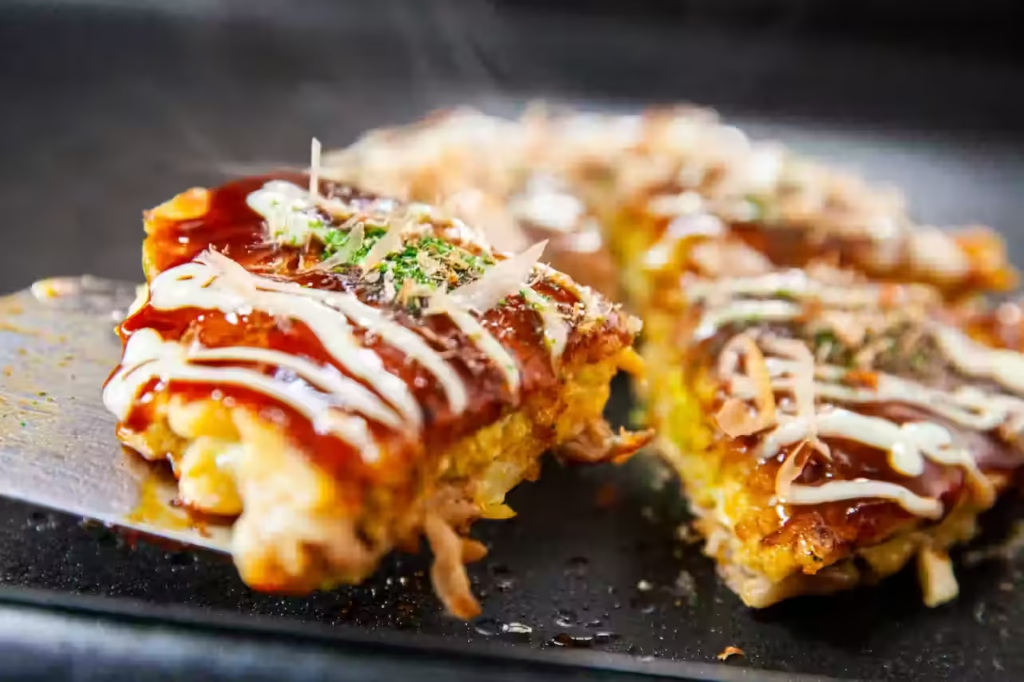
Kansai Style Okonomiyaki (関西風お好み焼き)
Introduction to Kansai Style Okonomiyaki Kansai style okonomiyaki or also Osaka-style okonomiyaki is a Japanese traditional food in Osaka prefecture in the Kansai region. It is a predominant version of the dish, found throughout most of ... -
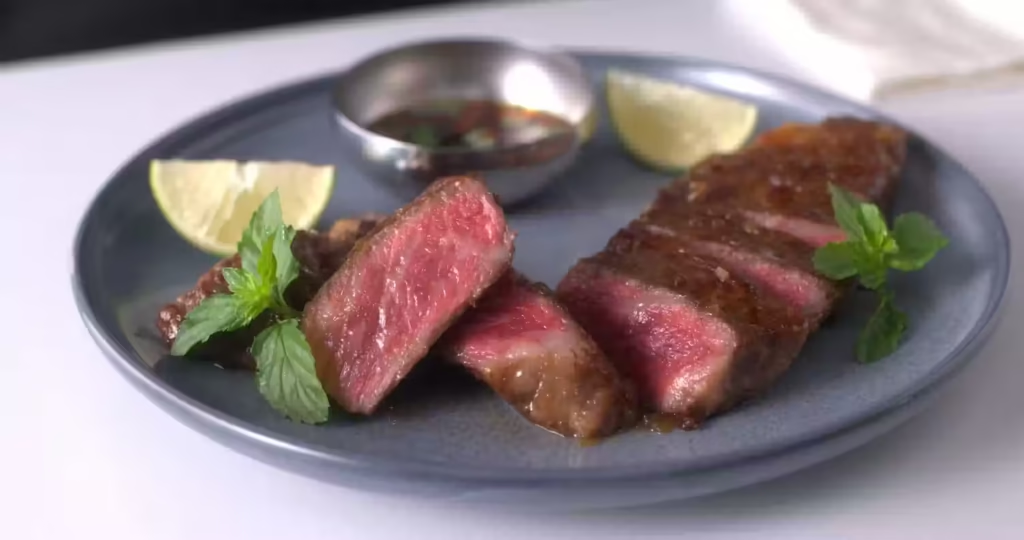

Oita Wagyu: A Guide to Oita’s Premium Japanese Beef
Oita Wagyu (おおいた和牛) is a premium certification for selected Oita Bungo Beef from Oita Prefecture, on the island of Kyushu. It is not a separate breed. To qualify, the beef must reach meat quality Grade 4 or 5. It must also come fro... -
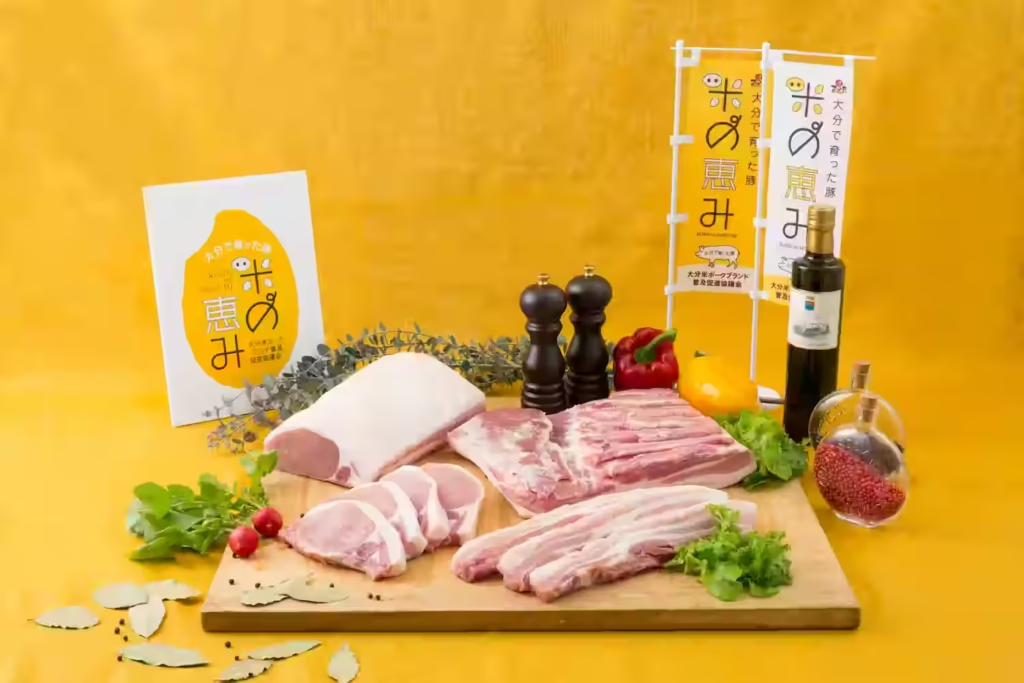
Kome no Megumi Pork (米の恵み)
In Oita, some pigs eat rice before they reach the table. That simple detail sits behind Kome no Megumi pork (米の恵み), the prefecture's unified pork brand. The name means “blessing of rice,” and it covers pork from pigs given feed with ... -
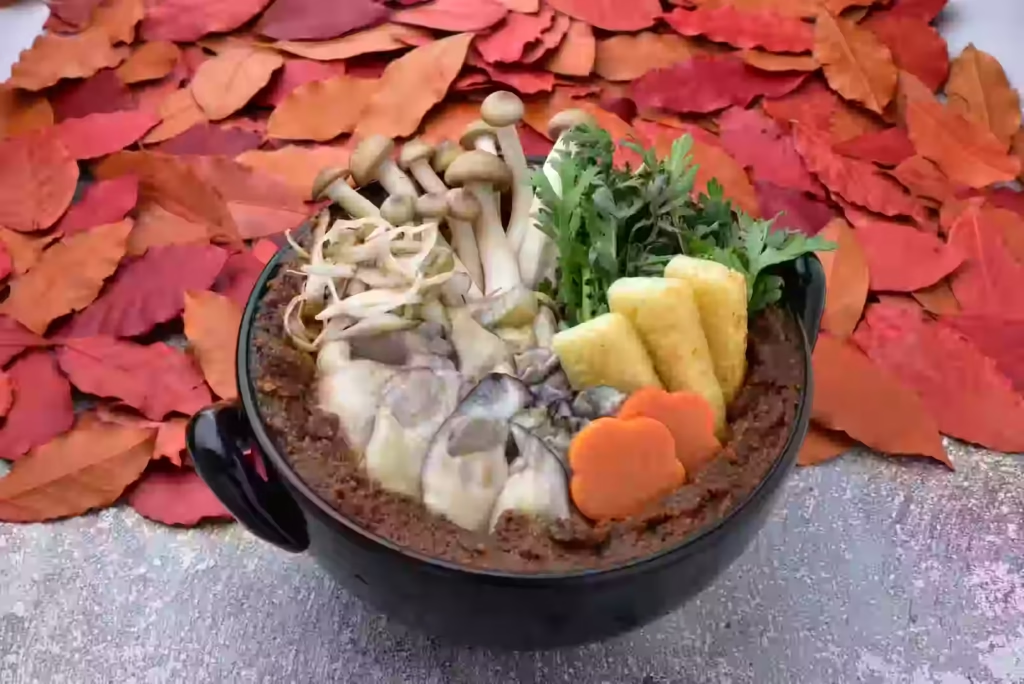

Kaki no Dotenabe (かきの土手鍋)
Picture a clay pot on a winter table in Hiroshima, its inner rim coated with a thick ridge of miso. That ridge is the whole point of Kaki no Dotenabe, a Hiroshima oyster hot pot. Oysters, tofu, and vegetables simmer in dashi broth, and d... -
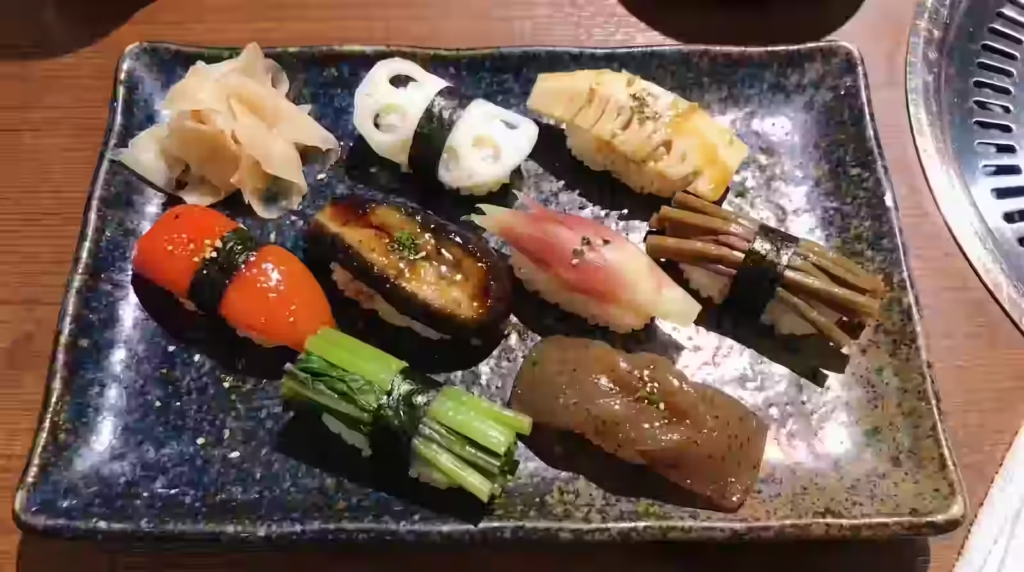

Tosa Inaka Sushi (土佐田舎寿司)
At Kochi's Sunday Market, packs of local sushi may look nothing like the nigiri you know. Pink buds, green stalks, and dark mushrooms replace the seafood that many visitors expect. This is Tosa Inaka Sushi (土佐田舎寿司), the mountain-ve... -
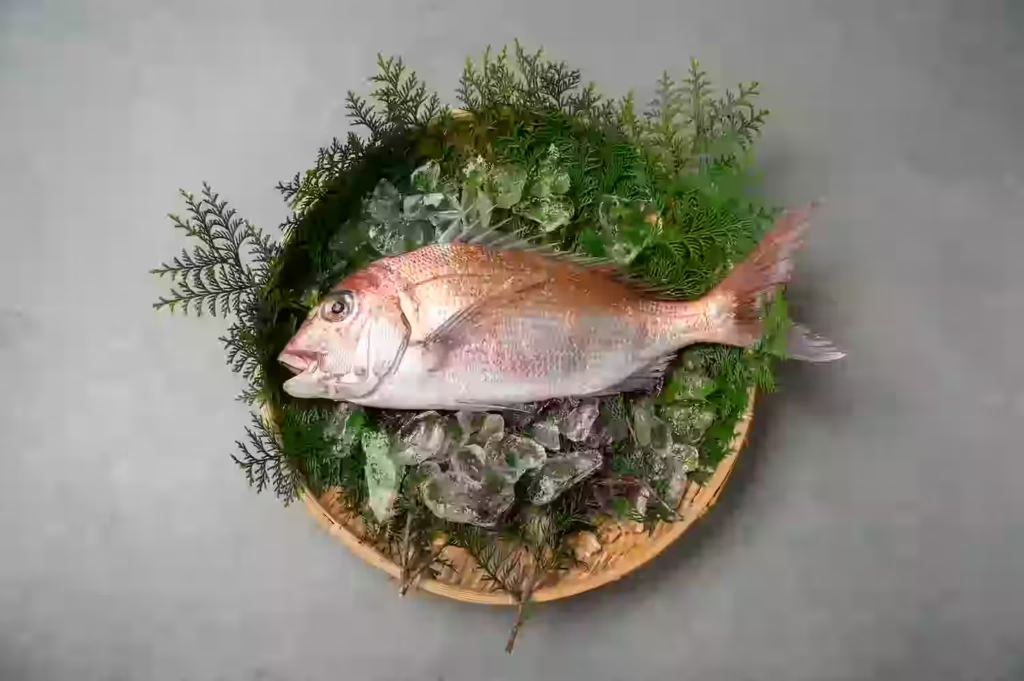

Naruto Sea Bream (鳴門鯛)
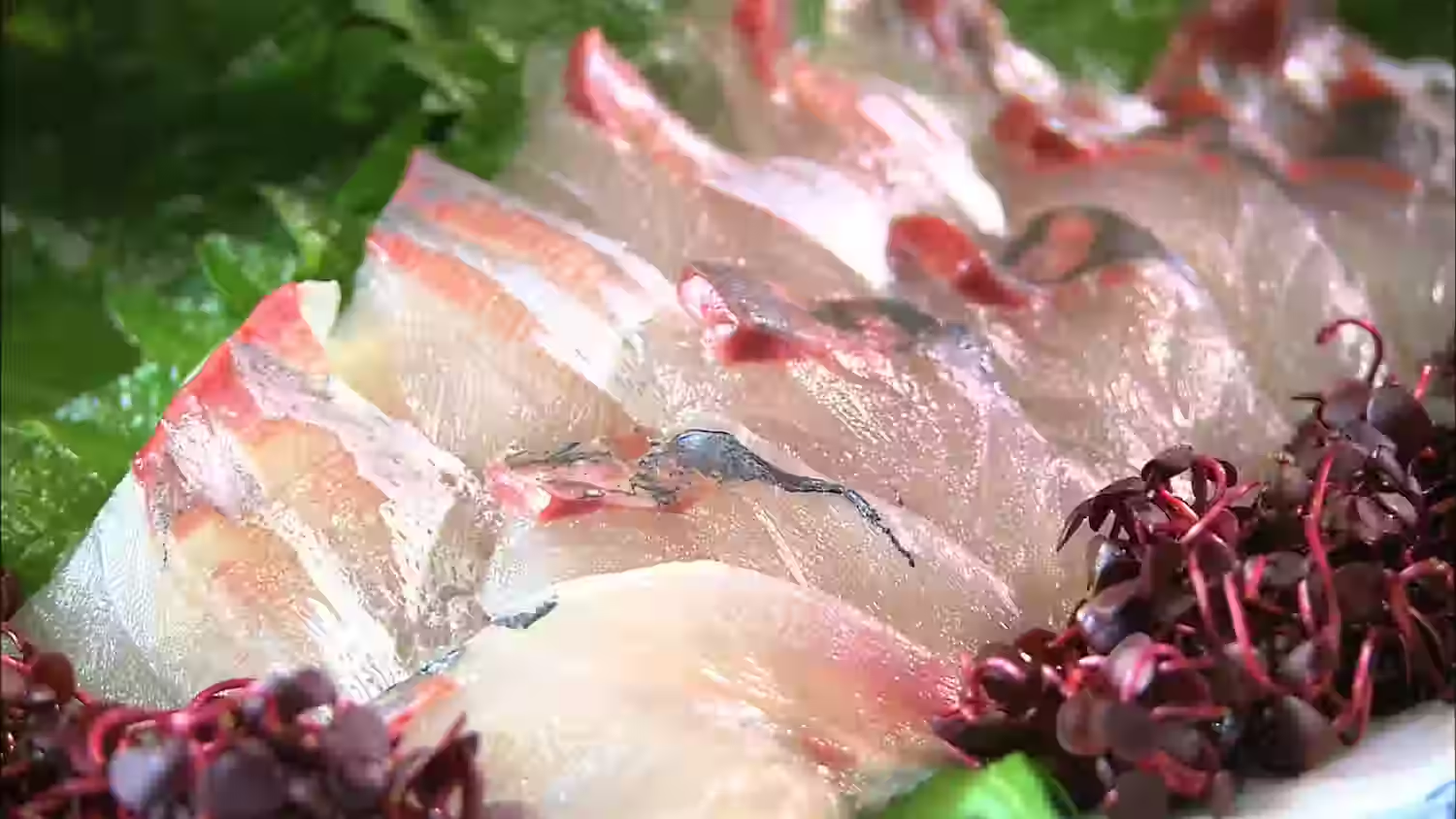
Order sashimi in Naruto and the white fish on your plate may push back a little when you bite. That fish is often Naruto sea bream (鳴門鯛), known locally as Narutodai. It is Japanese red sea bream, or madai, from the fast waters around ... -
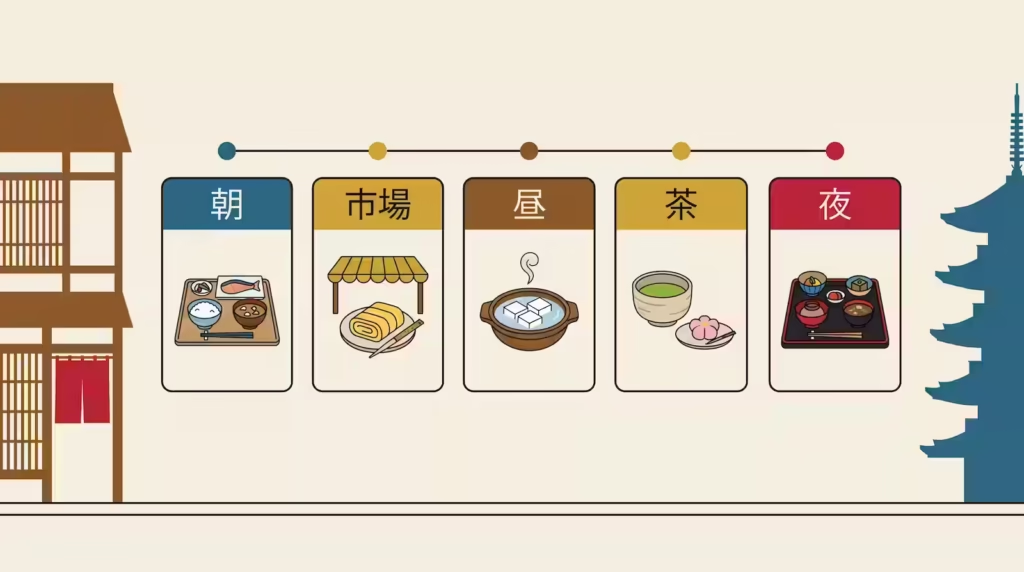
One Day in Kyoto: A Food Itinerary from Breakfast to Dinner
You have one day in Kyoto, a list of temples, and room for a few memorable meals. So where should you begin? Many first-time visitors eventually ask 京都で何食べる (Kyoto de nani taberu?), meaning "What should I eat in Kyoto?" The answer...