



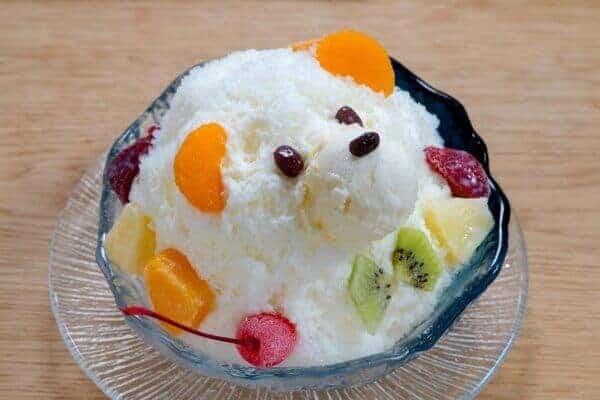
しろくま Shirokuma is Kagoshima’s most beloved shaved ice dessert. It is a towering bowl of fluffy kakigori, soaked in sweet condensed milk syrup and topped with colorful fresh fruit, dried fruit, and beans. If you have ever wondered what makes this 白熊 kakigori dessert different from ordinary shaved ice, the answer is in that combination. No other Japanese shaved ice puts all of those elements together in quite the same way. It is a Kagoshima specialty sweet that has been winning people over since the 1930s.
What is Shirokuma?
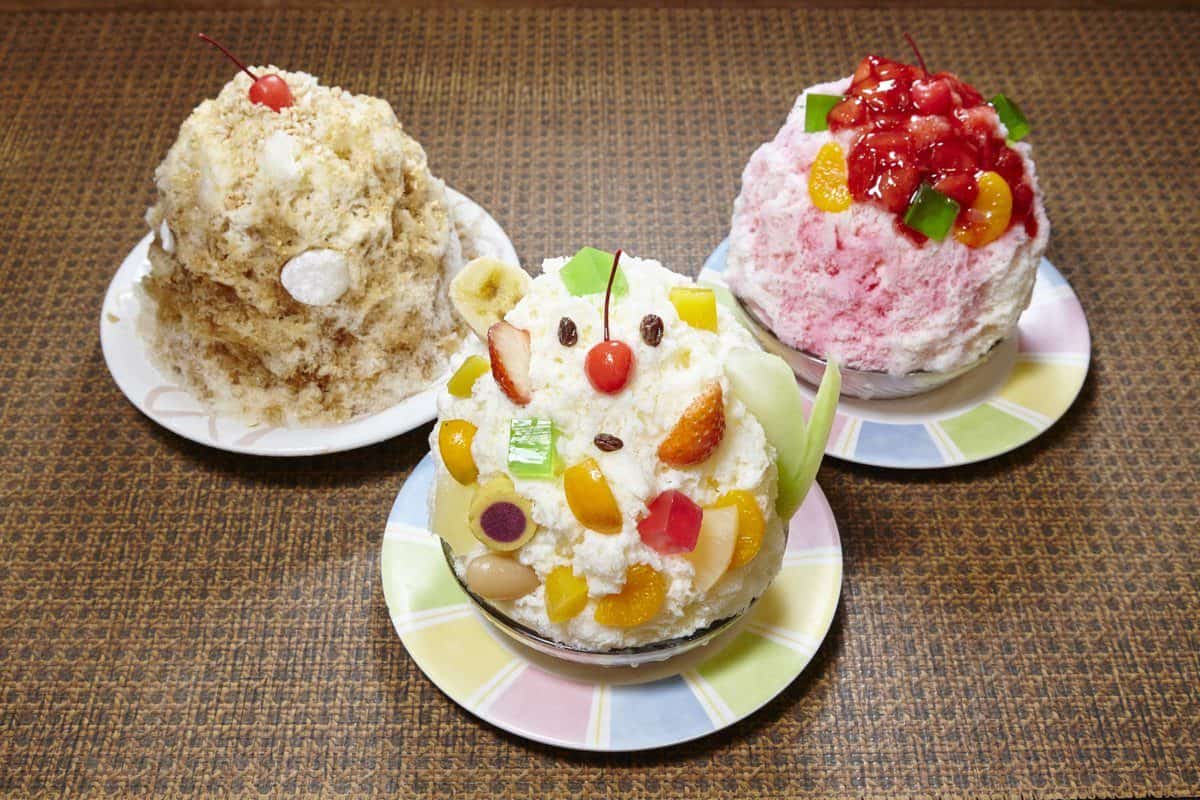
Shirokuma (しろくま) literally means “white bear” in Japanese. The name refers both to the dessert and to the polar bear image on the condensed milk cans that became its defining ingredient. At its core, it is a Japanese shaved ice dessert, but calling it just that undersells what it actually is.
Standard kakigori is shaved ice with flavored syrup. Shirokuma goes further. The base is finely shaved, cloud-like ice, poured over with a rich condensed milk syrup. Then comes a generous arrangement of fruit on top: strawberries, bananas, mandarin orange slices, raisins, and often a cherry at the center. White and red azuki beans are tucked in for texture. The result is a dessert that looks almost too colorful to eat, and tastes like a Japanese summer afternoon in a bowl. It pairs naturally with other Japanese dessert experiences found across Kagoshima.
What Makes Shirokuma Different from Regular Shaved Ice?
This is a fair question. Japan has many great kakigori desserts. So what sets Shirokuma apart?
Most shaved ice in Japan uses a single syrup poured over plain ice. It is simple and refreshing. Shirokuma, by contrast, layers multiple elements that each bring something different. The condensed milk syrup gives richness and a creamy sweetness. The fresh fruit adds brightness and acidity. The dried fruit, usually raisins, brings concentrated sweetness without being sharp. The beans add a soft, starchy contrast that grounds the whole thing. It is a more complete dessert, not just a cold snack. For comparison, Akafuku Gori from the Kansai region takes a different approach, leaning on sweet red bean paste as its signature element.
The Origin of Shirokuma: Three Stages of History
The story of Shirokuma unfolds in three clear stages. Understanding them helps explain why this dessert became so embedded in local identity.
Stage 1: The First Version (1930s)
In the 1930s, a restaurant on Nishida Street in Kagoshima City began selling a summer-only treat. The original version was simple: shaved ice drizzled with condensed milk and honey syrup. The creator experimented with red and white honey but found the combination too sweet. After several revisions, he settled on a condensed milk-based syrup as the foundation. The white bear image printed on the condensed milk tin inspired the name that stuck.
Stage 2: The Upgrade (1947)
After the war, a Kagoshima coffee shop took the existing recipe and elevated it. Fruit pieces and red beans were added on top of the ice. This changed everything. The dessert went from a simple milky shaved ice to something visually striking and texturally layered. At the time, a plain shaved ice cost around 20 yen. Shirokuma was priced at 50 yen. Locals still bought it enthusiastically. It became a symbol of postwar optimism in the city.
Stage 3: Going Mainstream
From the coffee shops of central Kagoshima, the dessert spread city-wide. Seika Foods, a local confectionery company, later commercialized the condensed milk syrup version, helping bring Shirokuma to a national audience through packaged products. Today it appears in tourism guidebooks and on television programs across Japan. It is now considered a defining food of the city, much like other Kagoshima specialties.
Why is Shirokuma Such a Popular Japanese Summer Dessert?
Kagoshima is hot. Really hot. The city sits in the far south of Kyushu, and summers are long, humid, and relentless. In that kind of heat, cold desserts are not just a pleasure. They feel like a necessity.
Shirokuma as a Japanese summer dessert works because the fluffy shaved ice melts quickly on the tongue, delivering instant coolness. The condensed milk gives it enough substance that it actually satisfies. The fruit adds brightness that lighter snacks lack. It is the kind of dessert that genuinely makes a hot afternoon more bearable. Many Kagoshima residents grew up eating it, so there is a nostalgia layer too. It is comfort food and cooling relief at the same time.
That said, most shops now sell it year-round. The appeal goes beyond just the heat.
What Does Shirokuma Taste Like?
The first thing you notice is the ice itself. Good Shirokuma uses very finely shaved ice, almost like snow. It does not crunch. It dissolves. The condensed milk syrup soaks through the ice and pools slightly at the base, creating pockets of rich sweetness as you work through the bowl.
The fruit cuts through the richness. A piece of banana or mandarin in the middle of a milky mouthful is a genuinely nice contrast. The beans add something earthy and soft. By the time you reach the bottom of the bowl, the flavors have blended into something that is hard to describe precisely. Sweet, cold, slightly fruity, a little creamy. It does not taste like any single ingredient. The combination is the point.
What Goes Into Shirokuma?
The ingredient list for Shirokuma is short, but each element matters. Here is what makes up a traditional version.
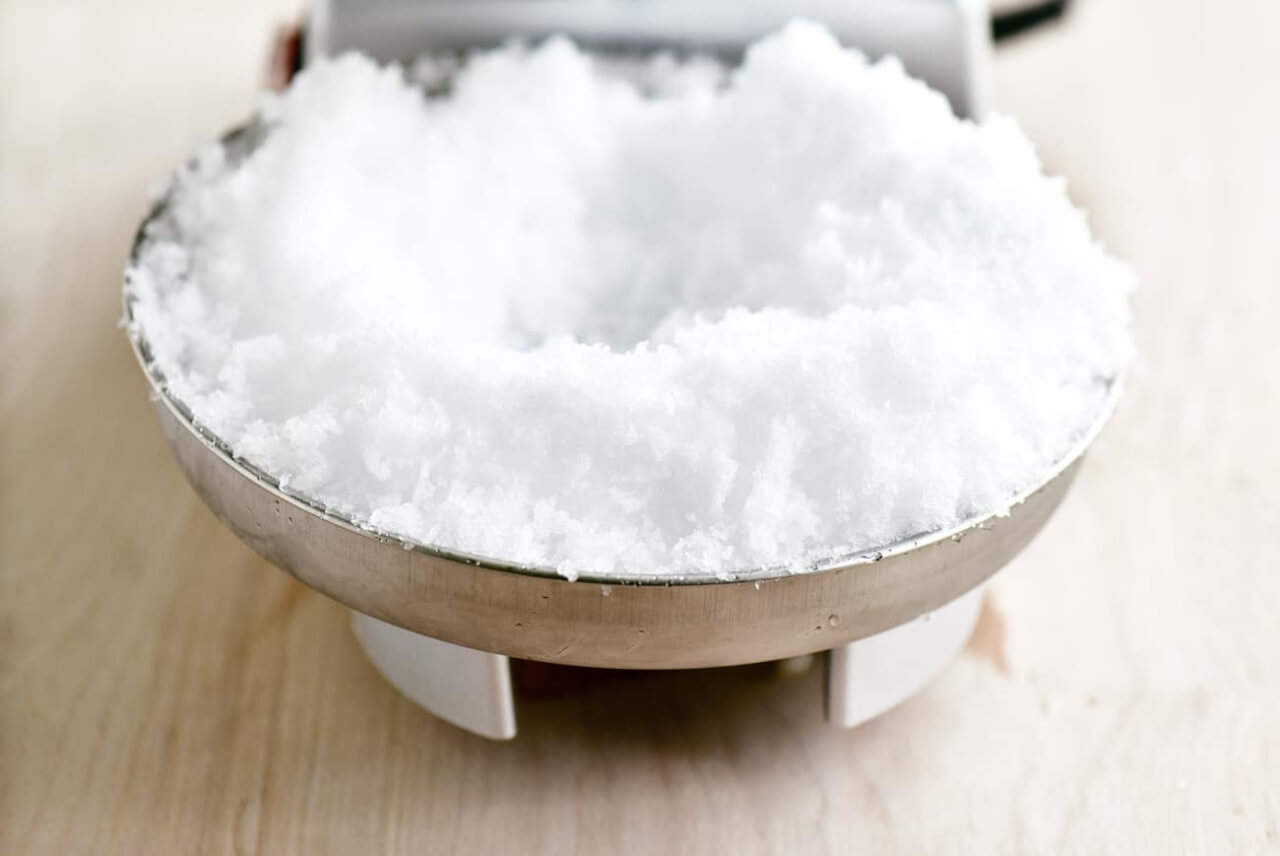
Fluffy shaved ice
The finer the ice, the better the result. Powdery, snow-like ice absorbs the condensed milk more evenly and melts gently on the tongue rather than crunching. The texture of the ice is what separates a great Shirokuma from a mediocre one.
Condensed milk syrup
This is the defining ingredient. Rich, sweet, and slightly caramel-like, the condensed milk syrup soaks into the ice rather than sitting on top. It is what makes Shirokuma taste noticeably different from other flavored kakigori.
Fresh fruit slices
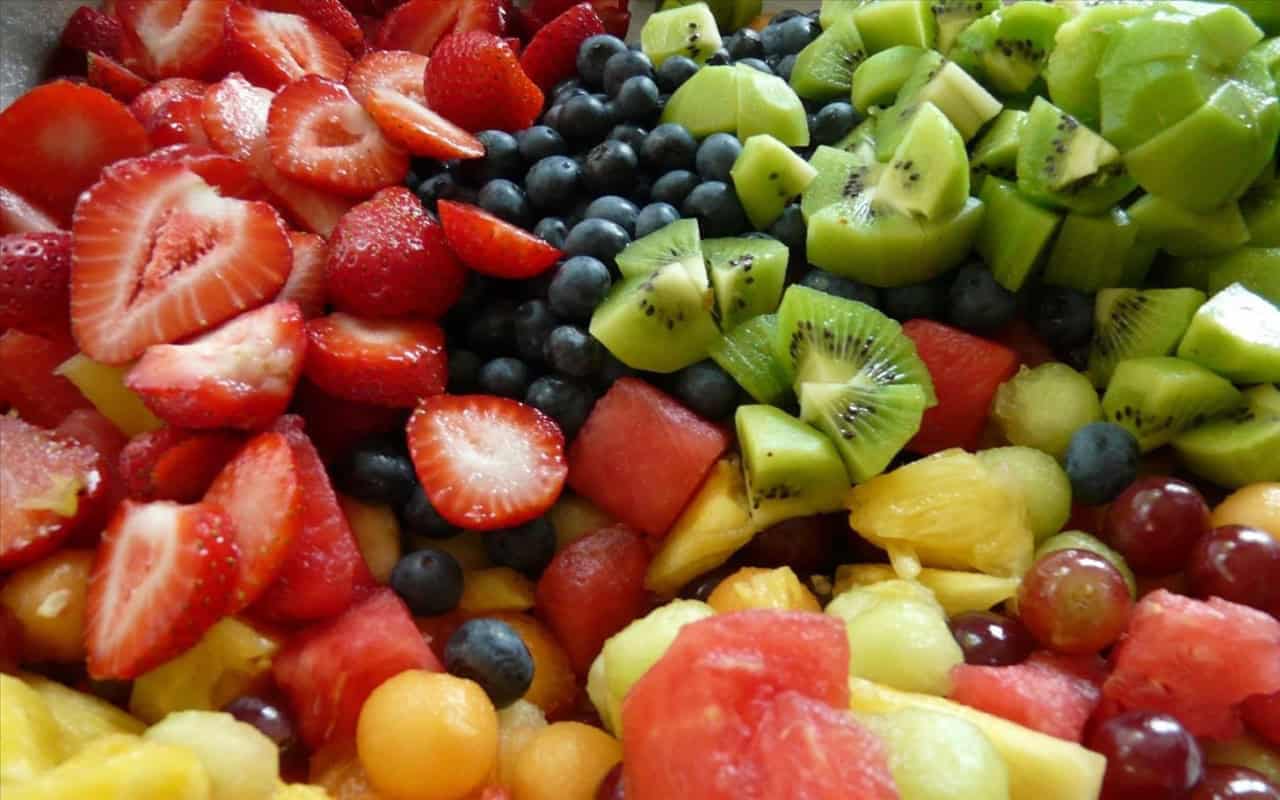
Strawberries and bananas are the most common. Mandarin orange slices appear in many versions. The fruit selection often follows the season, so what you get in June may look different from what appears in September.
Raisins and dried fruit
Raisins add a concentrated sweetness without overpowering. They work quietly in the background, adding small moments of flavor between bites of ice and fresh fruit.
White and red azuki beans
Beans in a shaved ice dessert might sound unusual to first-timers. But azuki beans have a mild, sweet-starchy flavor that adds textural contrast. They are a standard ingredient in Japanese sweets, and they work especially well here.
Honey syrup
A light drizzle of honey syrup adds an earthy sweetness that complements the condensed milk without competing with it. Some shops use it generously, others more sparingly.
How to Make Shirokuma at Home
Making Shirokuma at home is straightforward. You need a way to shave or crush ice finely, which is the main challenge. A blender works in a pinch, though it will not produce the same snow-like texture as a proper shaved ice machine.
Slice your chosen fruits and arrange the beans, raisins, and other toppings in small bowls. Having everything ready before you shave the ice prevents it from melting while you prepare. Place a few pieces of fruit and beans at the bottom of your serving bowl.
Fill the bowl with finely shaved ice, building it up into a rounded dome shape. Press gently to help it hold. The higher the dome, the more impressive the final result looks.
Pour a generous amount of condensed milk over the entire surface of the ice. Let it soak in. Do not be shy here. The condensed milk is the main flavor, and under-pouring it is the most common mistake.
Place the fruit pieces on top of the ice dome, spreading them visually. Think about color contrast. A mix of red strawberries, yellow banana, and orange mandarin looks much more appealing than a single fruit choice.
Drizzle honey syrup lightly over the finished bowl. Place a single cherry at the top center. Serve immediately.
Shirokuma Variations: Classic, Creative, and Seasonal
Shirokuma has inspired a range of variations over the decades. Here is how they break down.
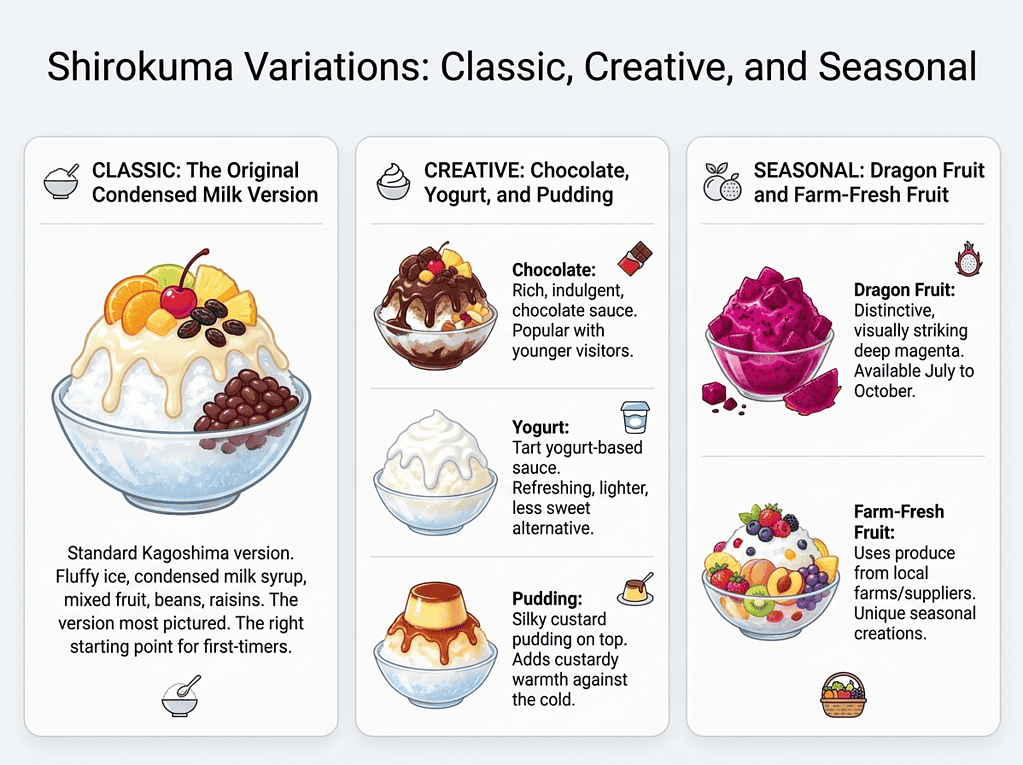
Classic: The Original Condensed Milk Version
This is the standard version found at most Kagoshima shops. Fluffy ice, condensed milk syrup, mixed fruit, beans, raisins. It is the version most people picture when they hear the name. If you are trying Shirokuma for the first time, this is the right starting point.
Creative: Chocolate, Yogurt, and Pudding
Some cafes offer chocolate Shirokuma, replacing or supplementing the condensed milk with chocolate sauce. It is richer and more indulgent, and tends to be popular with younger visitors. Yogurt Shirokuma uses a tart yogurt-based sauce instead of condensed milk, which gives a more refreshing, lighter result. For those who find the standard version too sweet, it is a reasonable alternative. Pudding Shirokuma adds silky custard pudding on top or alongside the ice, introducing a custardy warmth against the cold that works surprisingly well.
Seasonal: Dragon Fruit and Farm-Fresh Fruit
A few shops in Kagoshima use produce from their own farms or local suppliers to create seasonal versions. Dragon fruit Shirokuma is one of the more distinctive examples, available only from July to October at certain restaurants. The deep magenta color of dragon fruit makes for a visually striking presentation.
Where to Eat Shirokuma in Kagoshima
Many cafes across Kagoshima now sell Shirokuma year-round. For the most memorable experiences, these four shops each offer something distinct.
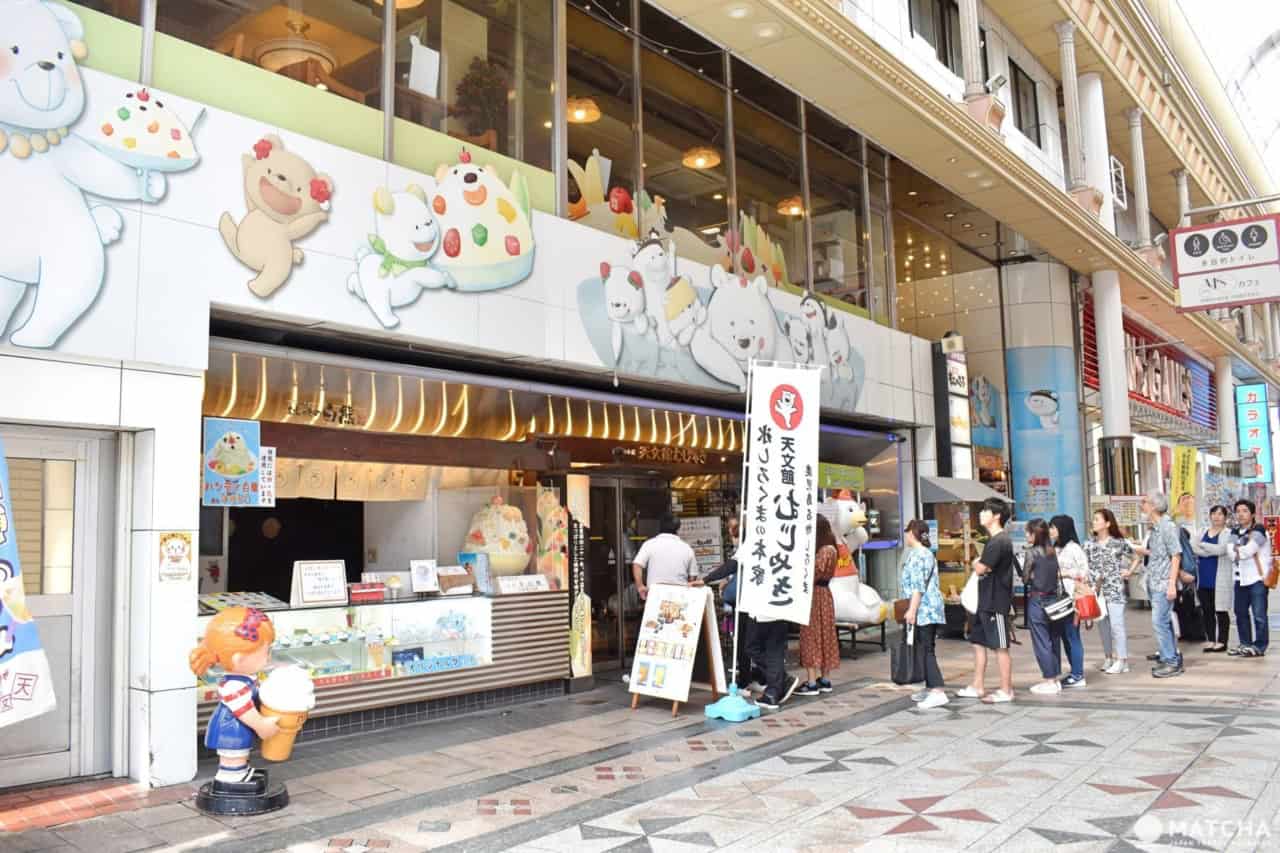
Tenmonkan Mujaki — The Originator
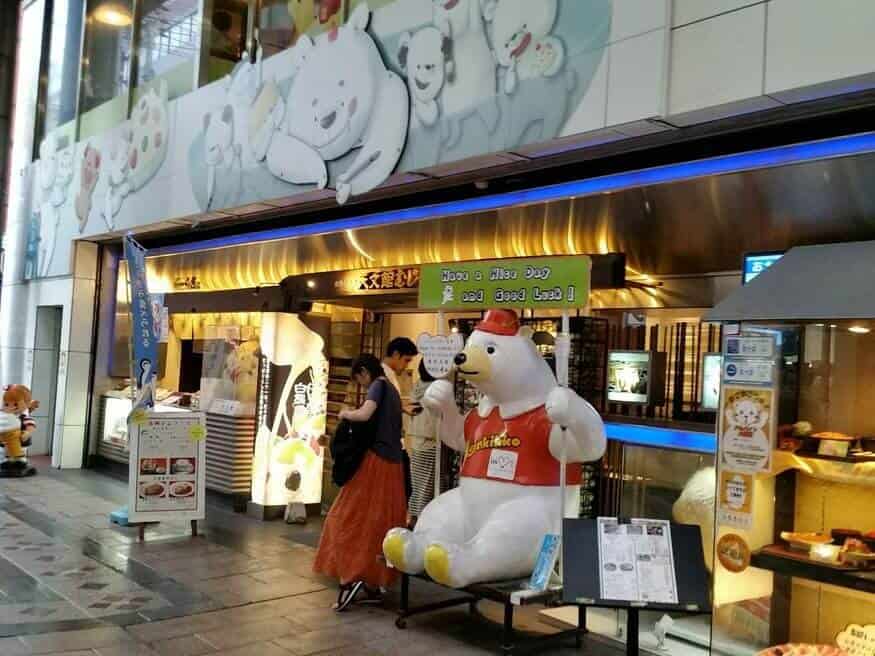
Tenmonkan Mujaki has been serving Shirokuma for over seventy years. It is the shop most closely associated with the dessert’s origins, and the one most first-time visitors head to. A large polar bear figure marks the entrance. The standard Shirokuma is around 740 yen, as is the Chocolate Shirokuma. For something quicker, the portable Handy Shirokuma costs around 450 yen and is easy to eat while walking. The shop is a three-minute walk from Tenmonkan-dori station.
SANDECO Coffee Sugaku Cafe — The Kurokuma Shop
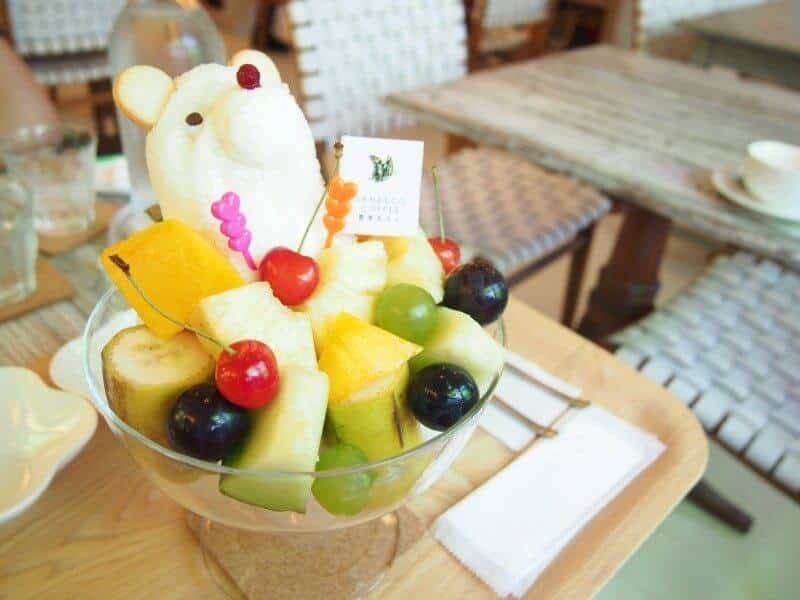
This local coffee shop is best known for the Kurokuma, which means “black bear.” It is essentially Shirokuma with iced coffee poured over it instead of condensed milk. The result is bitter and sweet at once, and genuinely interesting if you enjoy coffee. Their seasonal sharing plate, the Fruit Onsen Shirokumanoyu, is a colorful arrangement of different seasonal fruits served for two. It is worth going with someone else just to order this.
Yanagawa Hyoshitsu — The Syrup Specialist
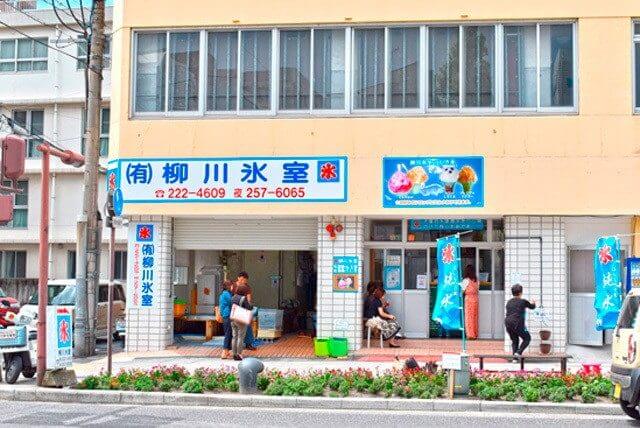
Yanagawa Hyoshitsu has been open for over forty years. What sets it apart is the syrup selection. The shop offers twenty different syrup options, which is unusual even by Kagoshima standards. Their ice is particularly fine and light, and the shop uses a special house-made milk base. If you are the type of person who wants to try different combinations, this is the best spot to do that. It is located just a few steps from the Izuro-dori bus stop.
Il Mole — The Farm-to-Bowl Option
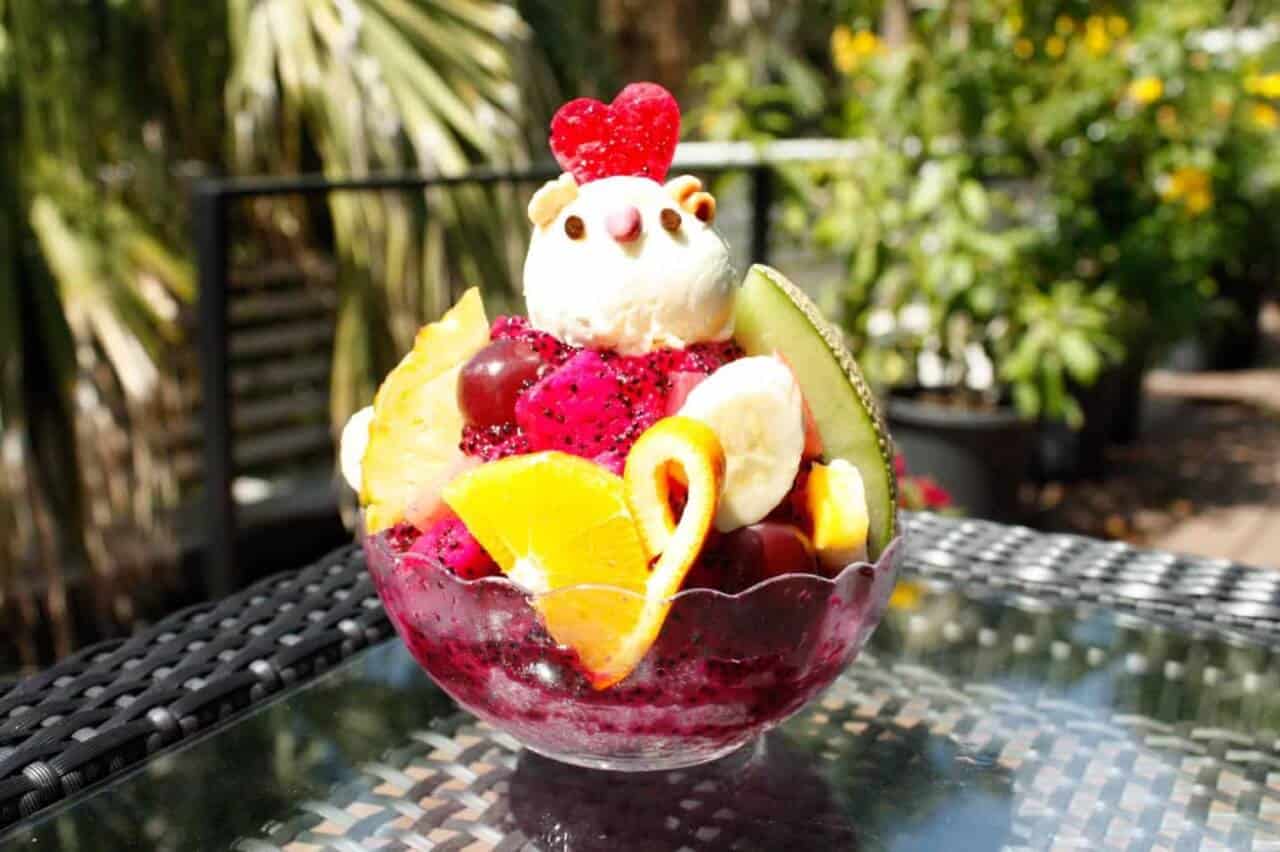
Il Mole sits in a tropical-feeling setting in Kagoshima City, sometimes called Amami-no-sato. Their standout version uses dragon fruit grown on their own farm, combined with soft vanilla ice cream. The presentation is vivid. Dragon fruit Shirokuma is available seasonally from July to October only, so timing matters if this is your main reason to visit. The restaurant is about fifteen minutes on foot from Taniyama Station.
Final Thoughts
鹿児島のかき氷 Kagoshima shaved ice has a lot of options. But しろくま Shirokuma is the one that defines the city’s dessert identity. From a simple milky shaved ice in the 1930s to a layered, fruit-crowned kakigori dessert that appears in national travel guides, it has earned its reputation honestly. Whether you try the classic condensed milk version at Tenmonkan Mujaki or the iced coffee spin at Sandeco, it is one of those foods that makes a trip to Kagoshima feel complete.
If you enjoy Japanese shaved ice and want to explore further, Akafuku Gori from Ise is another regional version worth knowing. And if Kagoshima food culture interests you more broadly, the Kagoshima food guide covers the full picture.
Looking for more Japanese sweets and regional desserts? Browse the full collection on Food in Japan.
Shirokuma FAQ
What is Shirokuma?
Shirokuma (しろくま) is a Japanese shaved ice dessert from Kagoshima. It features fluffy kakigori soaked in condensed milk syrup and topped with fresh fruit, dried fruit, and azuki beans. The name means “white bear” in Japanese.
Is Shirokuma just shaved ice?
Not quite. Regular kakigori is shaved ice with flavored syrup. Shirokuma adds condensed milk as its base flavor, then layers fresh fruit, raisins, azuki beans, and honey syrup on top. The combination of ingredients makes it a more complete dessert than standard shaved ice.
Why is it called Shirokuma?
The name comes from the white bear image on the condensed milk cans that the original creator used when developing the recipe in the 1930s. Shirokuma means “white bear” in Japanese. The name has been used for the dessert ever since.
What does Shirokuma taste like?
It is sweet, cold, creamy, and fruity. The condensed milk soaks into the fine shaved ice, creating a rich milky base. The fresh fruit adds brightness and slight acidity. The beans provide a soft, starchy texture. Overall, it is a layered sweetness rather than a single flat flavor.
Where to eat Shirokuma in Kagoshima?
Tenmonkan Mujaki is the most well-known shop and the best starting point for first-timers. SANDECO Coffee Sugaku Cafe is worth visiting for their Kurokuma version. Yanagawa Hyoshitsu offers twenty syrup varieties and particularly fine ice. Il Mole serves a seasonal dragon fruit version from July to October.
Why is Shirokuma famous in Kagoshima?
It originated in Kagoshima in the 1930s and was refined there through the postwar era. Kagoshima’s intense summer heat made refreshing desserts a cultural staple. Over decades, Shirokuma became the defining local sweet, eventually appearing in national travel guides and on television programs across Japan.
Can I eat Shirokuma outside of summer?
Yes. Most Kagoshima shops now sell Shirokuma year-round. It is still most closely associated with summer, but you will find it on menus in all seasons. Some seasonal fruit toppings, like dragon fruit, are only available in summer and early autumn.
Is Shirokuma available outside Kagoshima?
Yes. Packaged Shirokuma products from companies like Seika Foods are sold in supermarkets across Japan. Some cafes in Tokyo and Osaka have also started offering it. But for the full, fresh experience, Kagoshima remains the best destination.
What is Kurokuma?
Kurokuma means “black bear” and is a variation of Shirokuma where iced coffee replaces the condensed milk syrup. It has a bitter-sweet flavor profile and is a specialty at SANDECO Coffee Sugaku Cafe in Kagoshima.
How much does Shirokuma cost?
A regular serving at Tenmonkan Mujaki costs around 740 yen. Smaller or portable versions like the Handy Shirokuma are around 450 yen. Prices vary by shop, but most full-sized servings fall in the 600–900 yen range.
References
- Tenmonkan Mujaki — 5-8 Sennichicho, Kagoshima City
- SANDECO Coffee Sugaku Cafe — 2F, 4-1 Meizan-cho, Kagoshima City
- Yanagawa Hyoshitsu — 13-24 Izumicho, Kagoshima City
- Il Mole — 1-8-1 Nanei, Kagoshima City



Comments