




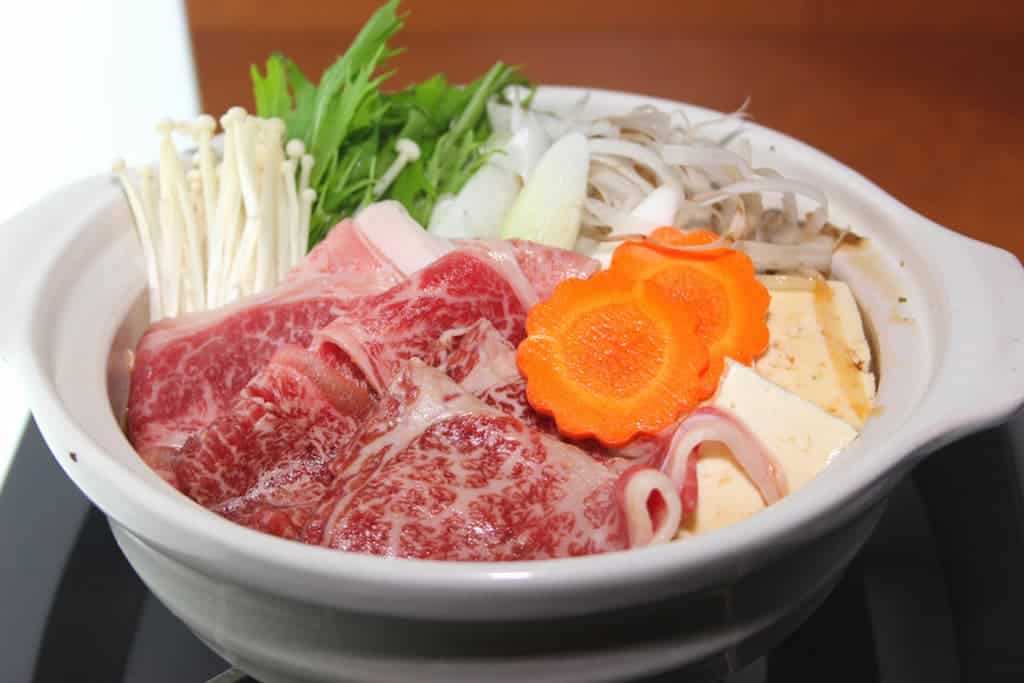
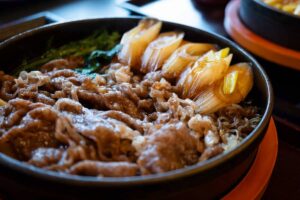
関東風すき焼き Kanto-style sukiyaki is the classic Tokyo-area way of making Japanese sukiyaki. Everything simmers together in a single pot of 割り下 warishita, a pre-mixed sauce of soy sauce, mirin, sake, sugar, and dashi. Thinly sliced beef goes in first. Tofu, vegetables, and shirataki noodles follow. You eat each piece dipped in raw beaten egg. If you have had sukiyaki before and wondered why it tasted different from descriptions you have read elsewhere, the answer is probably this east-versus-west divide.
Kanto vs. Kansai: The Most Important Difference
This comparison comes up immediately for good reason. It is the single most useful thing to understand about Japanese sukiyaki.
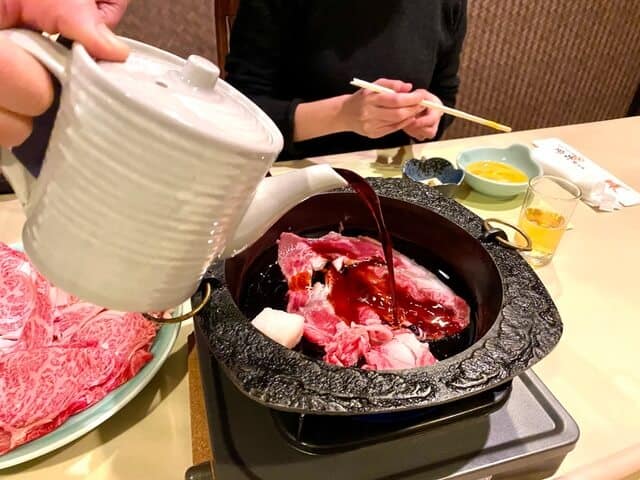
Kanto-style sukiyaki is a simmered dish. All the liquid ingredients are combined into warishita before cooking starts. Beef and everything else go into the pot together and cook in that sauce. Kansai-style sukiyaki works differently. The beef is grilled or seared directly in the pan first, with sugar and soy sauce added separately as the cooking progresses. No pre-mixed sauce, no simmering from the start. The ingredients absorb flavor differently, and the results taste different too.
Both styles finish the same way: you dip each piece into a small bowl of lightly beaten raw egg before eating. That part is shared across all regional versions. But the road to that final bite diverges early. For a deeper look at the western approach, the Kansai-style sukiyaki article covers it in full.
What is Kanto-Style Sukiyaki?
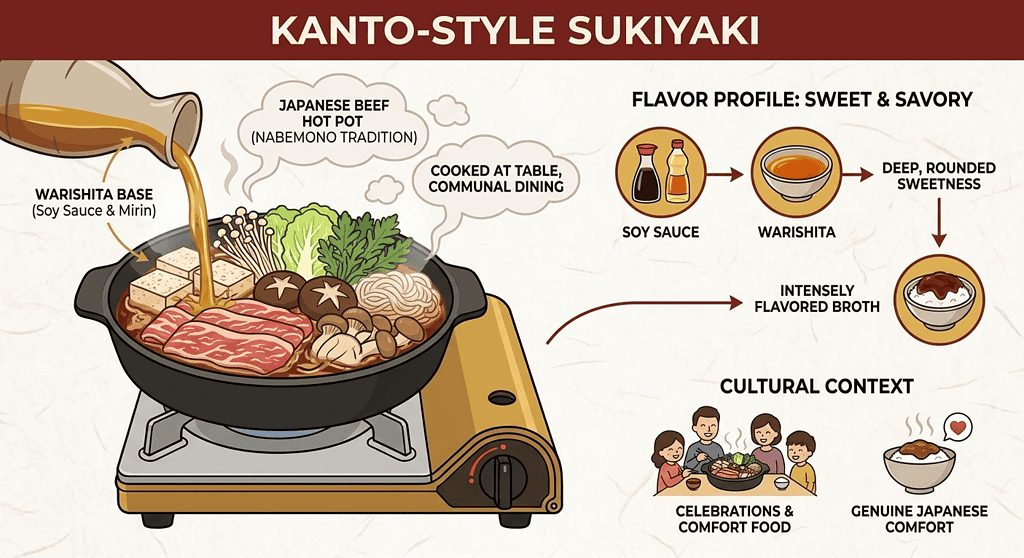
Kanto-style sukiyaki (関東風すき焼き) is a Japanese beef hot pot that uses warishita as its cooking base. The dish belongs to the nabemono tradition of Japanese communal hot pot cooking. It is typically made at the table in a shallow iron pot, allowing everyone to cook and eat at their own pace.
The flavor profile is sweet and savory. The soy sauce and mirin sauce in the warishita gives the broth a deep, rounded sweetness that ordinary soy sauce alone would not produce. As the beef and vegetables release their juices into the pot, the broth deepens further. By the end of a meal, the remaining liquid is intensely flavored and sometimes spooned over rice.
It is one of those dishes that feels special without being complicated. Many Japanese families make it for celebrations, cold evenings, or simply when good beef is available. It is a genuine Japanese comfort food.
What is Warishita (割り下)?
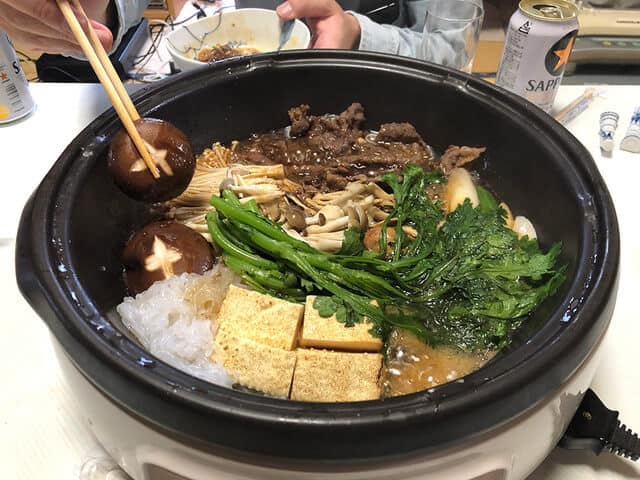
Warishita is the defining element of Kanto-style sukiyaki. Without it, you have a different dish entirely.
It is a pre-mixed cooking sauce made from soy sauce, mirin, sake, sugar, and Japanese dashi stock. The ratio varies by household and restaurant, but the effect is consistent: a sweet, savory, deeply umami broth that simultaneously seasons and cooks everything in the pot. The name itself roughly translates as “cutting and diluting,” which describes how the strong soy flavor is balanced by the sweetness of mirin and sugar.
A well-made warishita is not too sharp and not cloyingly sweet. It should feel rounded and almost syrupy as it reduces. That quality is what makes experienced sukiyaki cooks protective of their particular recipe. Some families have used the same proportions for generations.
A Short History of Kanto-Style Sukiyaki
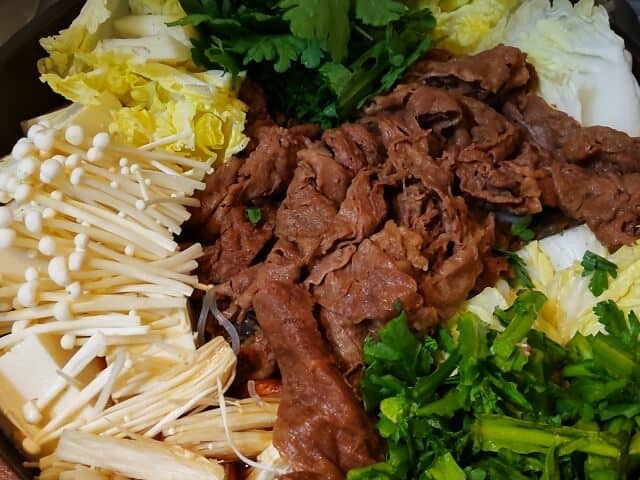
The story unfolds in three connected stages. Each one explains something about why Kanto sukiyaki ended up the way it did.
Stage 1: The Arrival of Beef Culture (1860s)
When Yokohama Port opened in 1859, foreign residents brought their meat-eating habits with them. Beef, which had been largely absent from the Japanese diet for centuries, began appearing in restaurants. A dish called “ushinabe” or beef pot emerged in Yokohama and later Tokyo. It combined beef with miso and vegetables, partly because refrigeration did not exist and miso helped mask the smell of the meat. The first dedicated beef shop in Edo opened in 1867.
Stage 2: The Shift to Sukiyaki Flavor
As beef quality improved and Kanto’s Western influences grew through the Meiji era, the miso-heavy beef pot began evolving. Soy sauce and sweetened sauce replaced miso as the primary flavoring. The warishita method, which unified all the seasonings into a single cooking liquid, emerged as the Kanto approach. This made the dish more consistent and suited to restaurant service.
Stage 3: Becoming a National Standard
Until the Great Kanto Earthquake of 1923, the dish was still commonly called “gyu nabe” in the Tokyo area. The name sukiyaki came later. After the earthquake and through the postwar period, the Kanto style became widely recognized as one of Japan’s two major sukiyaki traditions, eventually earning a place in national cuisine and on restaurant menus across the country.
The Raw Egg Dip: Why It Matters
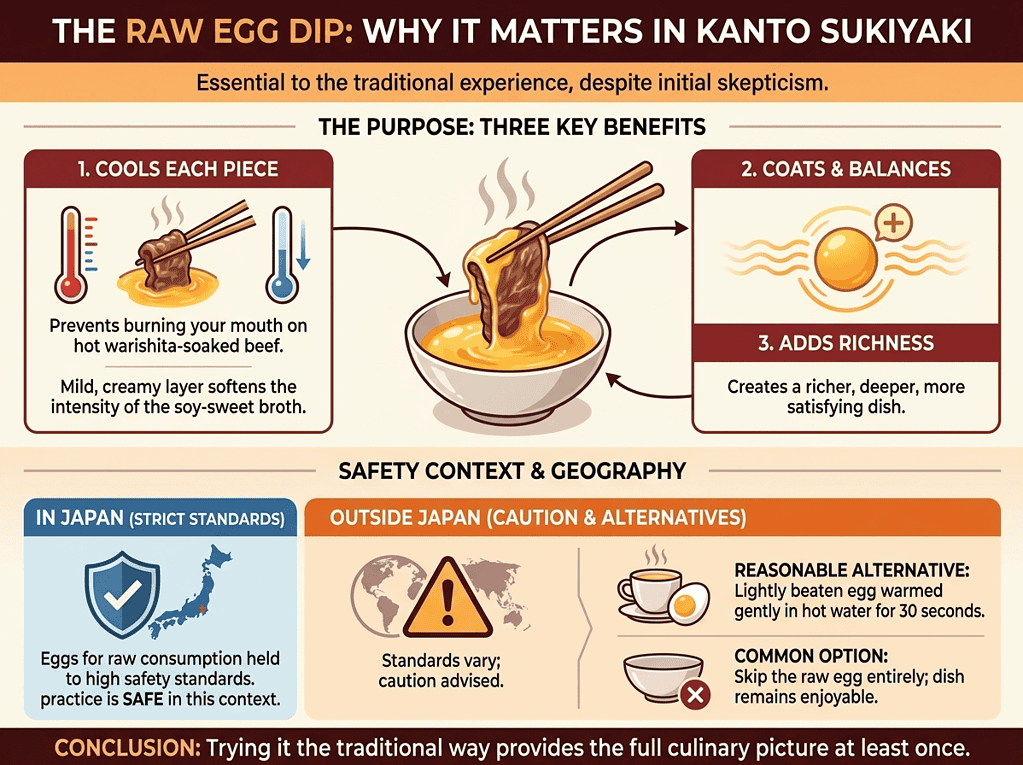
For many first-time visitors to Japan, this is the part that raises an eyebrow. Dipping hot cooked beef into a bowl of raw egg sounds unusual, but it is essential to the Kanto sukiyaki experience.
The raw egg serves several purposes. It cools each piece slightly before you eat it, which prevents burning your mouth on the hot warishita-soaked beef. It coats the food in a mild, creamy layer that softens the intensity of the soy-sweet broth. And it adds a richness that makes the whole dish feel more satisfying.
In Japan, eggs sold for raw consumption are held to strict safety standards. The practice is safe in that context. Outside Japan, if you are making sukiyaki at home and are cautious about raw eggs, a lightly beaten egg warmed gently in a cup of hot water for thirty seconds is a reasonable alternative. Many people outside Japan skip the raw egg entirely and still enjoy the dish. But trying it the traditional way, at least once, gives you the full picture.
Kanto-Style Sukiyaki Recipe
Ingredients (for 2 persons)
| Ingredient | Amount |
| Thinly sliced beef (ribeye or sirloin recommended) | 300g |
| Japanese leek (negi), cut diagonally | 21g |
| Shirataki noodles | 200g |
| Mushrooms (shiitake or enoki) | 350g |
| Firm tofu, cut into cubes | 200g |
| Beef tallow (or neutral oil) | 20g |
| Soy sauce | 50g |
| Mirin | 50g |
| Sake | 50g |
| Water | 50g |
| Sugar | 28g |
| Japanese-style dashi stock | 5g |
| Raw eggs (for dipping) | 2 |
How to Make Kanto-Style Sukiyaki
Cut the tofu into generous cubes. Slice the leek diagonally into thick pieces. Blanch the shirataki noodles briefly in boiling water, then drain. This removes the slightly bitter smell they can carry. Cut mushrooms into halves or thirds if large. Arrange everything on a plate before you start cooking.
Combine soy sauce, mirin, sake, sugar, water, and dashi in a small saucepan. Bring to a gentle boil over medium heat, stirring until the sugar fully dissolves. Do not reduce it too much at this stage. You want it fluid enough to fill the pot. Set aside until ready to use.
Heat a shallow iron or cast-iron pot over medium heat. Melt the beef tallow in the pan. Add the beef slices in a single layer. Let them cook briefly, no more than a minute or two on each side. Overcooking the beef at this stage is the most common mistake. Remove it before it looks fully done. It will continue cooking in the warishita.
Pour the warishita into the pot. Add the leek, mushrooms, shirataki noodles, and tofu. Return the beef to the pot as well. Simmer over medium-low heat. The tofu and shirataki need a few minutes to absorb the broth. The leek softens and sweetens as it cooks. Do not rush this stage with high heat.
Crack a raw egg into each individual bowl. Beat it lightly. Lift ingredients from the pot as they finish cooking, dip briefly in the egg, and eat. Add more warishita to the pot if the level drops low during the meal. The broth intensifies as it reduces, so taste-check before adding more.
Key Tips for a Better Result
Use the best beef you can afford. Sukiyaki is a dish where the quality of the meat genuinely shows. Thinly sliced ribeye or sirloin with visible marbling works best. The fat melts into the warishita and enriches the whole pot. Second, keep the heat moderate throughout. This is a simmering dish, not a boiling one. Aggressive heat toughens the beef and breaks down the tofu. Third, add ingredients in stages as you eat, rather than piling everything in at once. This keeps the pot manageable and lets each item cook properly.
Meat Choices for Kanto Sukiyaki
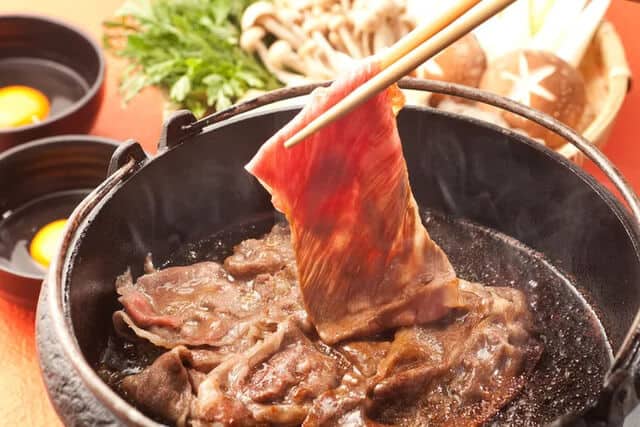
Beef is the standard choice, and most prefectures across Japan lean toward beef for sukiyaki. Premium wagyu beef is the prestige option at high-end restaurants. At home, a well-marbled imported ribeye is a very reasonable substitute. The warishita is forgiving; it adds flavor to most cuts.
Some regions use other proteins. In Hokkaido and parts of Tohoku, pork sukiyaki is common because pork was historically more affordable. Shiga Prefecture is known for chicken sukiyaki. In Nagoya, the dish is sometimes called “hikizuri,” where meat is dragged across the hot pan rather than simmered. These regional variations are interesting, but they fall outside the Kanto style. If you are cooking the Tokyo-area version, beef is the ingredient to use.
Where to Eat Kanto-Style Sukiyaki in Tokyo
Tokyo has many excellent sukiyaki restaurants. These four represent three different axes: heritage, technique, and contemporary experience.
Ningyocho Imahan Main Store — The Heritage Choice
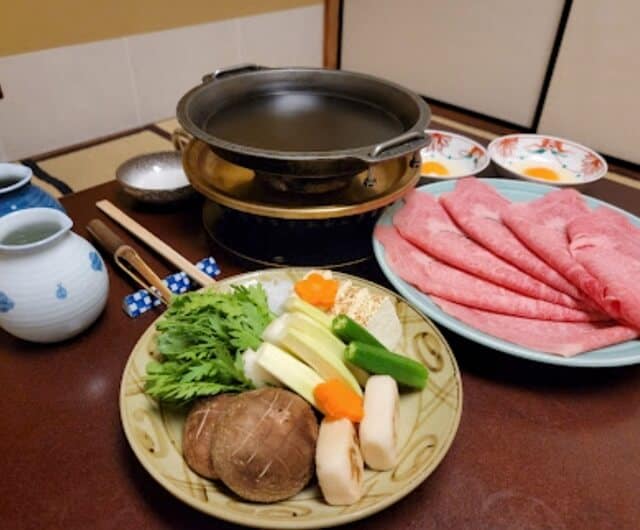
Ningyocho Imahan was founded in the Meiji era and has been serving sukiyaki in central Tokyo for well over a century. The restaurant is particular about its beef selection, favoring cuts with soft, finely distributed fat that melts smoothly into the warishita. Their sauce is notably balanced: not too dark, not overly sweet. It is the kind of place that feels like a piece of Tokyo history. Reservations are generally recommended.
Sukiyaki Kappo Hiyama — The Technique-Focused Choice
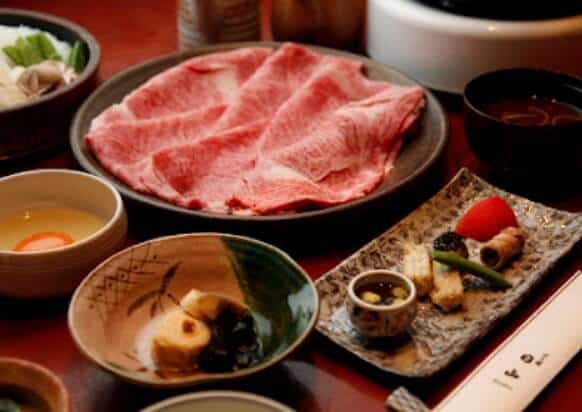
Hiyama has been running in its current sukiyaki format since 1945. The portions are generous, and the meat is cut noticeably thicker than at most other places. Their warishita has a stronger, more assertive soy flavor, which holds up well against the richness of high-quality marbled beef. The staff cooks the dish at your table, which is common for premium sukiyaki restaurants in Tokyo. You are in good hands.
Asakusa Imahan — The Classic Asakusa Experience
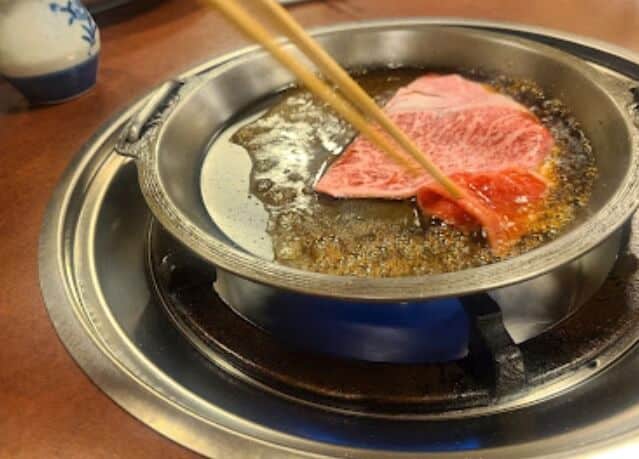
Also founded in the Meiji era, Asakusa Imahan grew from a beef rice shop into a full sukiyaki restaurant over generations. The beef is served in very thin slices, which means each piece is light and quick to cook. The warishita leans sweeter, with sugar used to bring out the natural sweetness of the beef rather than to dominate it. The Asakusa location puts it conveniently near Senso-ji for visitors exploring the area.
Ishibashi — The Hidden Gem
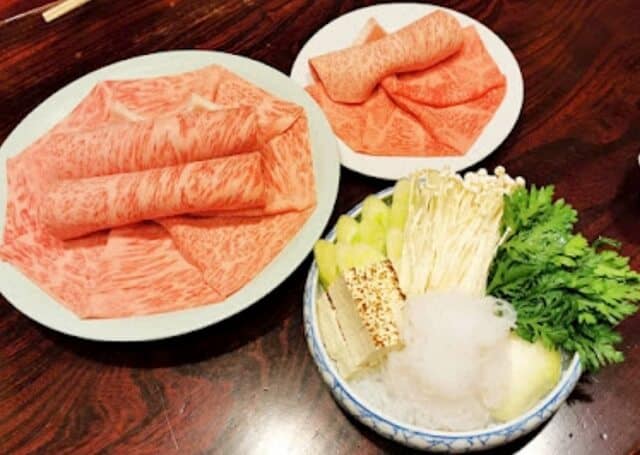
Ishibashi in Akihabara is less well-known than the Imahan chain but earns consistent praise from regulars. Beef here comes in a choice of marbled or loin cuts, both sliced generously thick. The warishita is lighter in tone, which lets the natural flavor of the beef come forward rather than being masked by seasoning. Dinner only, and closed on weekends, so planning ahead is essential.
Final Thoughts
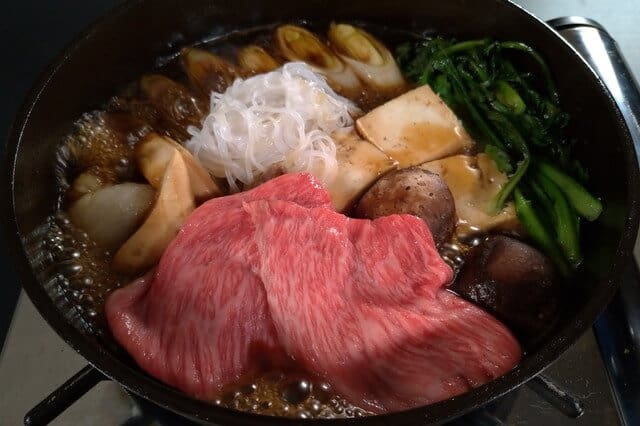
関東風すき焼き Kanto-style sukiyaki is the version most international visitors encounter first. It is deeply satisfying, relatively straightforward to make at home, and easy to understand once you know the warishita logic behind it. The raw egg dip still surprises some people, but it is worth trying at least once. It changes the texture in a way that is genuinely hard to replicate otherwise.
If you want to go deeper into Japan’s beef hot pot traditions, Kansai-style sukiyaki offers a very different experience with the same core ingredients. And for another beloved Japanese hot pot in the same family, shabu-shabu is the lighter, broth-based counterpart worth knowing. Both are covered on Food in Japan if you want to compare.
Exploring Japanese hot pot? Read more about Kansai-style sukiyaki, Shabu-Shabu, and other Kanto regional foods.
Kanto-Style Sukiyaki FAQ
What is Kanto-style sukiyaki?
Kanto-style sukiyaki (関東風すき焼き) is a Japanese beef hot pot from the Tokyo area. Thinly sliced beef, tofu, vegetables, and shirataki noodles are simmered together in a pre-made sauce called warishita, which combines soy sauce, mirin, sake, sugar, and dashi. Each piece is eaten dipped in raw beaten egg.
How is Kanto sukiyaki different from Kansai sukiyaki?
The core difference is in the cooking method. Kanto-style uses warishita, a pre-mixed sauce, and simmers all ingredients together from the start. Kansai-style first grills or sears the beef in the pan with sugar, then adds soy sauce and other seasonings gradually. The Kanto approach creates a more uniform, broth-forward flavor. The Kansai approach gives the beef a slightly caramelized quality.
What is warishita (割り下)?
Warishita is the cooking sauce used in Kanto-style sukiyaki. It is made by combining soy sauce, mirin, sake, sugar, and Japanese dashi stock, then briefly boiling the mixture until the sugar dissolves. It has a sweet and savory flavor with a deep soy base. The pre-mixed approach is what distinguishes Kanto-style from Kansai-style, where seasonings are added directly during cooking.
Do you eat sukiyaki with raw egg?
Yes. In both Kanto and Kansai styles, cooked ingredients are dipped in a small bowl of lightly beaten raw egg before eating. The egg cools the food slightly, adds a mild creaminess, and softens the intensity of the broth. In Japan, eggs for this purpose meet strict food safety standards. Outside Japan, some people skip the raw egg or use a pasteurized version.
Why is Kanto-style sukiyaki called a simmered dish?
Because all ingredients cook in the warishita broth from the beginning, rather than being grilled or seared first. The method traces back to the beef pot culture of the Meiji era in Tokyo, where a unified cooking liquid made consistent results easier to achieve in a restaurant setting. The simmering approach also allows the broth to develop depth as the meal progresses.
What are the best ingredients for Kanto-style sukiyaki?
Thinly sliced well-marbled beef is the most important ingredient. Ribeye or sirloin works best. Other standard ingredients include firm tofu, Japanese leek, shiitake or enoki mushrooms, and shirataki noodles. The warishita sauce uses soy sauce, mirin, sake, sugar, and dashi. Raw eggs for dipping are served alongside.
Can I make sukiyaki at home?
Yes, and it is more approachable than it might seem. The warishita can be made in advance. A regular wide frying pan or shallow pot works if you do not own a cast-iron sukiyaki pan. The main things to watch are the heat level (keep it moderate), the order of ingredients (beef first), and not overcooking the meat.
Is sukiyaki expensive?
It depends on the beef. At high-end Tokyo restaurants, a sukiyaki course using wagyu can cost several thousand yen per person. At home with a good cut of imported beef, the cost is much more reasonable. The dish is traditionally associated with special occasions, which partly reflects the cost of quality beef.
References
- Ningyocho Imahan — imahan.com
- Sukiyaki Kappo Hiyama — hiyama-gr.com/kappou
- Asakusa Imahan — asakusaimahan.co.jp




Comments