




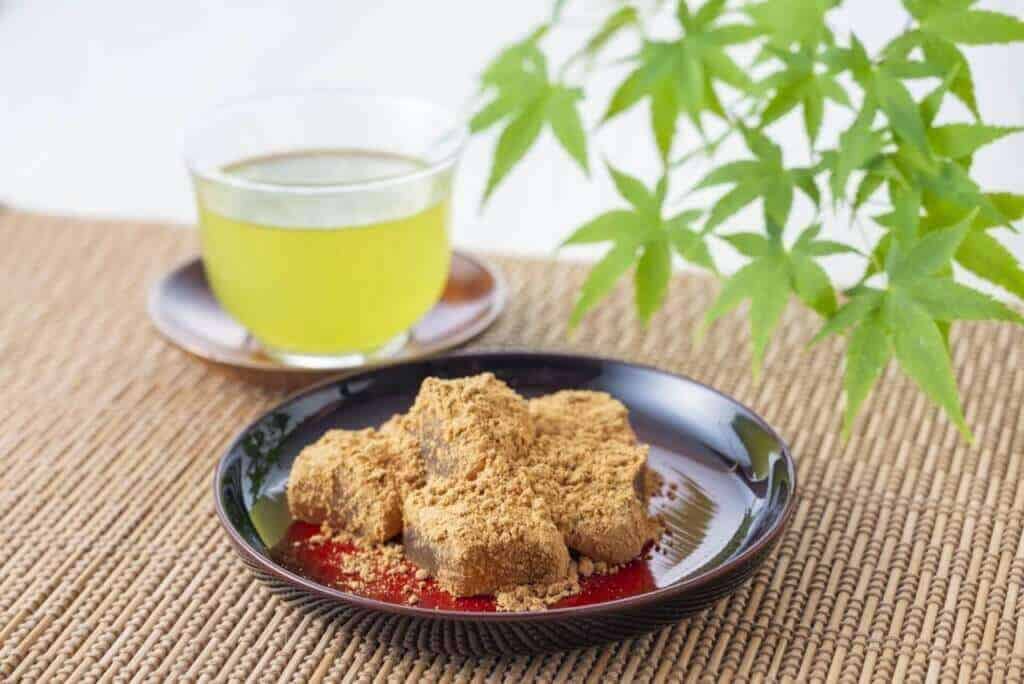
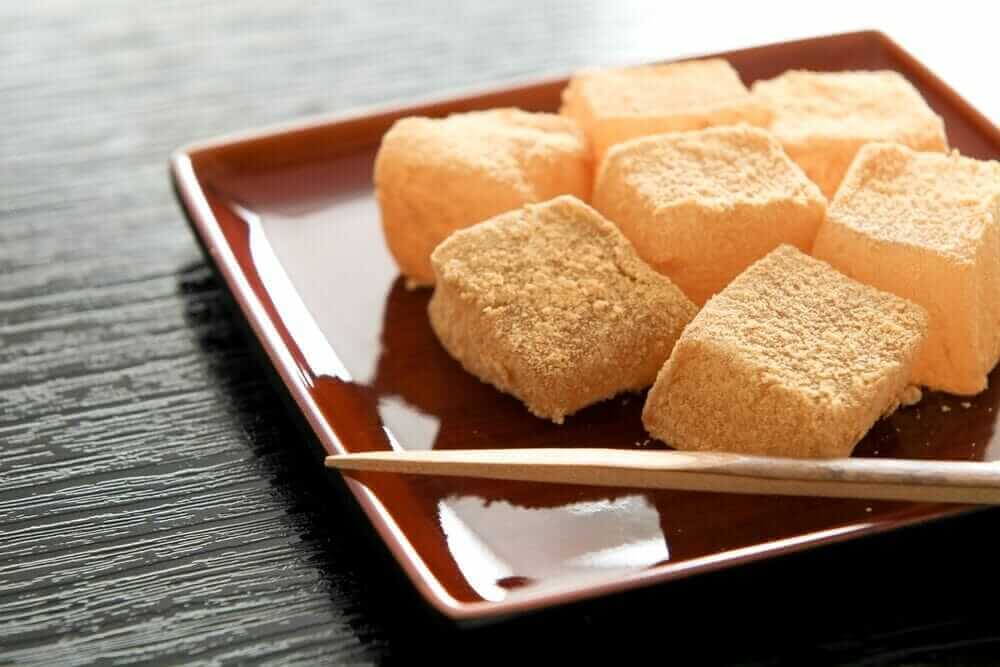
Warabi mochi (わらび餅) is a soft, jelly-like Japanese sweet made by heating starch with water and sugar. Shops usually serve the pieces with kinako and, often, kuromitsu syrup. Despite the name, it contains no rice at all.
So what actually goes into it, and why does one box cost four times more than another? This guide covers the ingredients, the link with Nara, a simple warabi mochi recipe, storage advice, and shops worth a visit.
What Is Warabi Mochi?
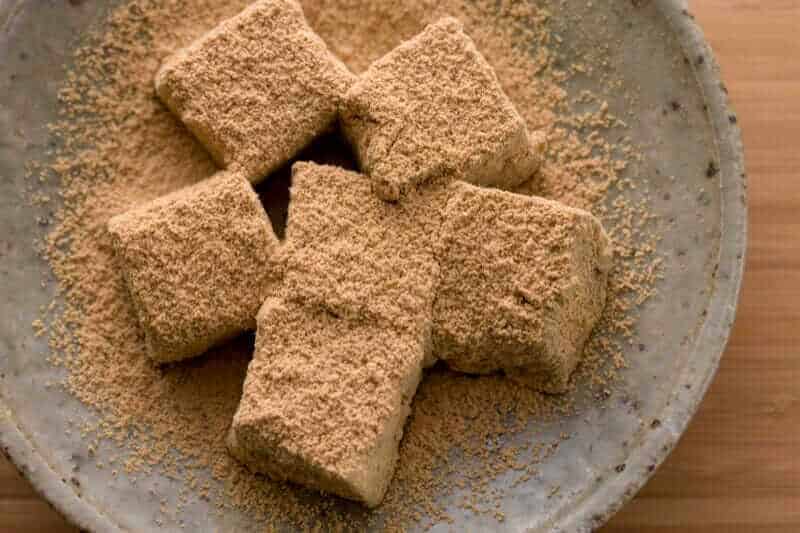
Warabi mochi is a traditional Japanese confection cooked from starch, water, and sugar until it turns translucent and wobbly. Traditional versions use warabiko, or bracken starch. However, many commercial products rely on sweet potato, tapioca, or kudzu starch instead. It is usually served with kinako and kuromitsu, and it feels far softer than rice mochi.
Quick Facts
- Japanese name
- わらび餅 (warabi mochi)
- Associated region
- Nara Prefecture and the wider Kansai area
- Main ingredients
- Warabiko (bracken starch) or a substitute starch, sugar, water
- Texture
- Soft, sticky, and jelly-like
- Typical toppings
- Kinako (roasted soybean flour) and kuromitsu (brown sugar syrup)
- Serving temperature
- Cool or at room temperature
- Season
- All year, especially spring to summer
- Shelf life
- Short. Same day for many fresh types, a few days for some packs. Follow the label.
What the Name Means
Warabi (蕨) is the Japanese word for bracken, a wild fern. According to Japan’s Ministry of Agriculture, Forestry and Fisheries (MAFF), the sweet takes its name from warabiko. That is the starch people traditionally refined from the plant. The “mochi” here describes a soft texture, not a rice cake.
The toppings matter just as much. Kinako is roasted soybean flour with a nutty smell. Kuromitsu is a dark syrup made from brown sugar. Together they create the familiar flavor of this classic Japanese summer dessert.
Warabi Mochi vs Regular Mochi
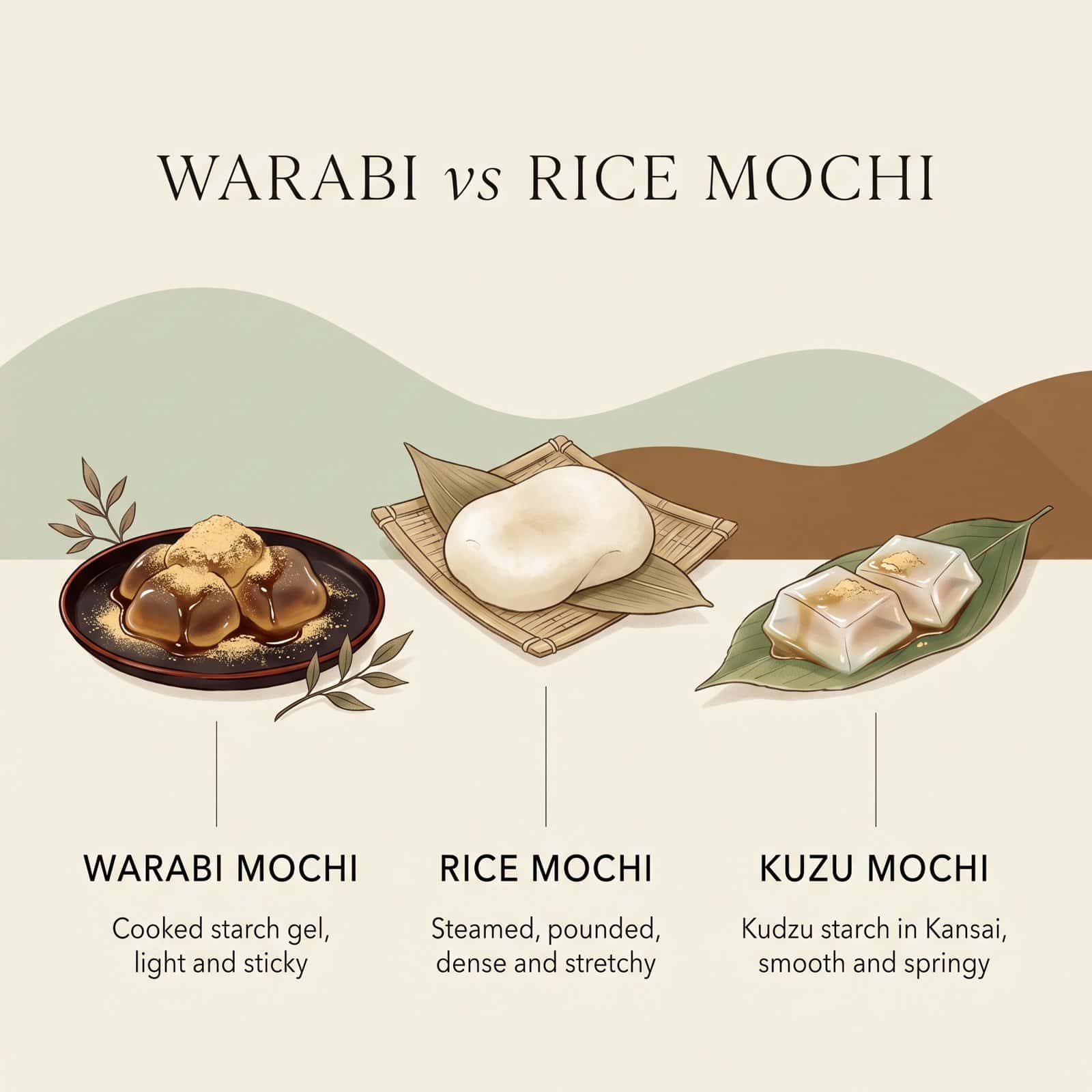
The two share part of their name, but their ingredients and preparation are very different. Regular rice mochi is made by steaming and pounding glutinous rice, so it is dense and stretchy. Warabi mochi, in contrast, is a cooked starch gel. It is neither dense nor stretchy. Instead, it is usually softer, lighter, and more jelly-like.
Kuzu mochi causes even more confusion, because it looks similar on the plate. Our separate guide explains the difference between warabi mochi and kuzu mochi in detail. The name kuzu mochi itself covers two different sweets. In Kansai, it generally means a translucent sweet made from kudzu starch. Around Tokyo, however, kuzumochi is a white confection of fermented wheat starch.
| Warabi mochi | Rice mochi | Kuzu mochi / kuzumochi | |
|---|---|---|---|
| Base ingredient | Bracken starch, or sweet potato, tapioca, or kudzu starch | Glutinous rice or glutinous rice flour | Kudzu starch in Kansai. Fermented wheat starch in Kanto. |
| Preparation | Heated with water and sugar until it gels | Steamed, then pounded | Kneaded over heat in Kansai. Steamed in Kanto. |
| Texture | Light, soft, and sticky | Dense, chewy, and stretchy | Smooth and springy. The Kanto type can taste slightly sour. |
| Common toppings | Kinako, kuromitsu | Sweet bean paste, soy sauce, kinako | Kinako, kuromitsu |
Rice mochi also varies by region and season, from leaf-wrapped Kashiwa Mochi to Miyagi’s edamame-coated Zunda Mochi. Unlike warabi mochi, both are made from rice.
Hon Warabi Mochi vs Commercial Warabi Mochi
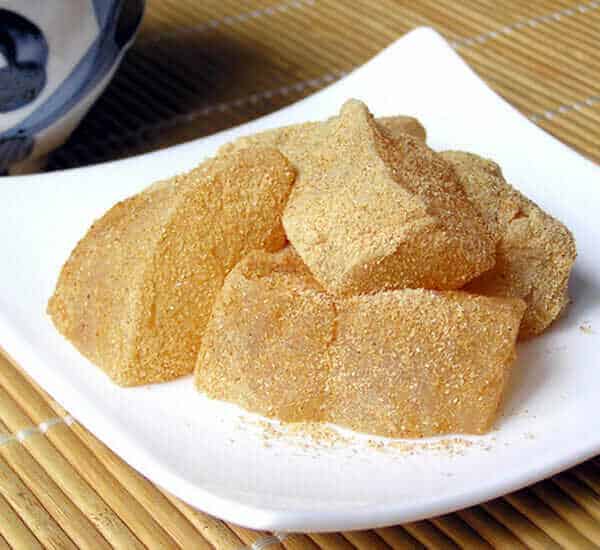
The type of starch largely determines the dessert’s flavor, texture, rarity, and price. Hon warabi mochi (本わらび餅) is made with warabiko, a starch extracted from underground bracken rhizomes. “Hon” simply means genuine. However, the name alone does not always reveal the percentage used. So check the ingredient list when purity matters.
Why is it so scarce? Producers obtain only a small amount of starch from a large quantity of bracken roots. A 2022 study of warabiko from Nishiwaga, Iwate, points to tough fibers inside the rhizome. Those fibers slow the work, and some starch escapes during separation. As a result, few makers remain.
Most everyday products therefore use other starches. MAFF names sweet potato, tapioca, and kudzu as common choices. The ministry also notes that pure warabiko versions show a dark gloss and strong stickiness. Substitute versions usually look clearer and paler. Are they worse? Not necessarily, but they are a different sweet.
How the Four Starches Compare
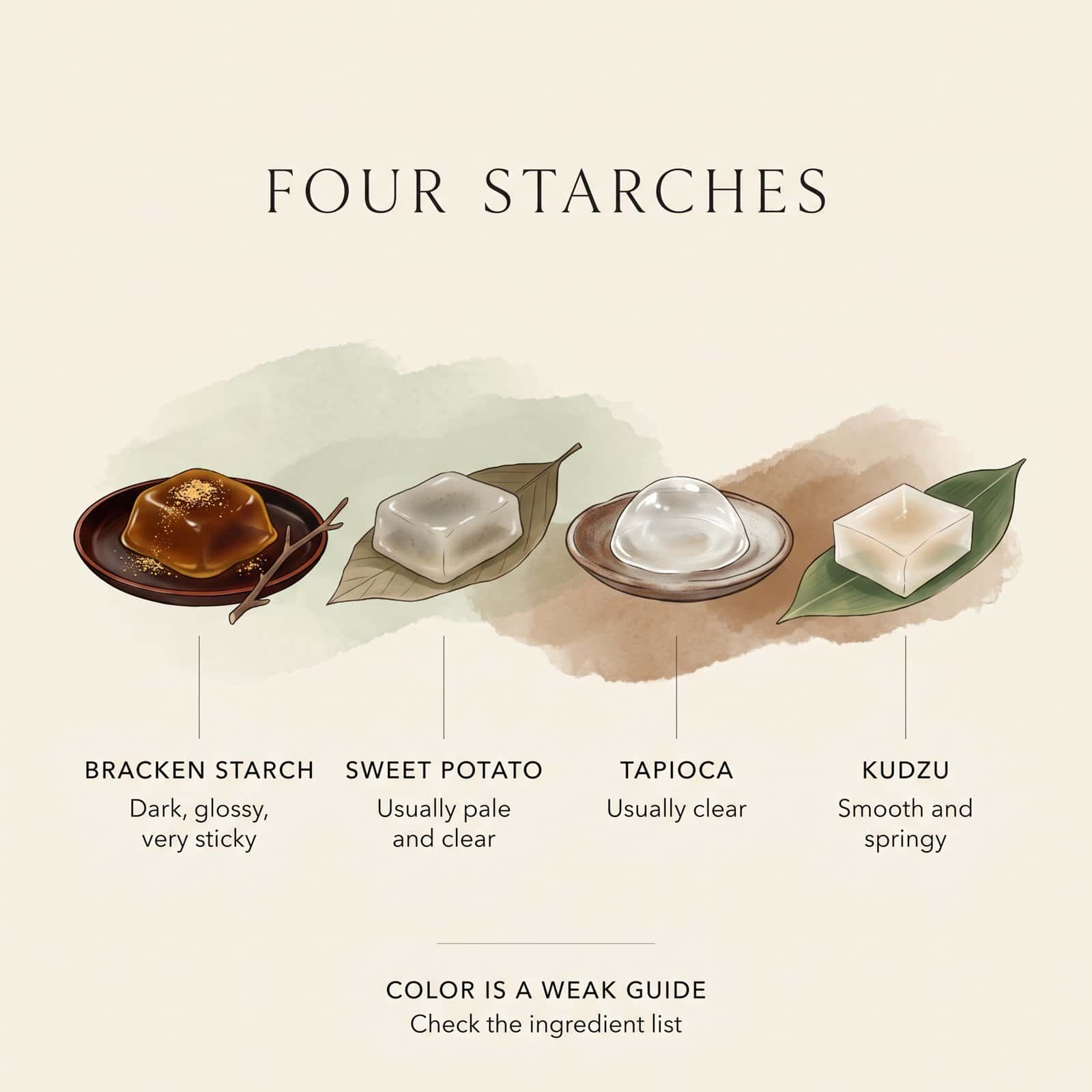
No single study appears to test all four starches under identical conditions. So the table below shows broad tendencies, not fixed rules. Blends and brands differ a lot.
| Starch | Color and texture | Price and supply | Storage behavior |
|---|---|---|---|
| Genuine bracken starch | Brownish to dark, glossy, very sticky | Expensive and limited | Can firm and turn cloudy when kept cold |
| Sweet potato starch | Usually pale and clear. Texture depends on the blend. | Widely available | Follow the product label |
| Tapioca starch | Usually clear. Texture depends on the blend. | Widely available | Follow the product label |
| Kudzu starch | Smooth and springy | Pure kudzu is also costly | Follow the product label |
Food scientists have looked at this too. A 2017 conference paper found that blends of modified tapioca starch can come close to the genuine texture. Still, the result depended heavily on the mix. Color alone, then, is a weak guide to purity.
How to Read a Warabi Mochi Label
Check the ingredient list, not the product name. A bag sold as “warabi mochiko” may contain no bracken at all. Japanese labels generally list ingredients in descending order by weight. However, compound ingredients make exact percentages hard to judge.
- 蕨根, 蕨澱粉, 本蕨粉: bracken root or bracken starch
- 甘藷でん粉, さつまいもでん粉: sweet potato starch
- タピオカでん粉, キャッサバでん粉: tapioca starch
- 葛でん粉, 本葛粉: kudzu starch
- 加工デンプン: modified starch, with no plant source shown
Where to Buy Warabiko Outside Japan
Japanese grocery stores and online baking suppliers are the usual places to look. First, find the ingredient panel in the listing photos. For pure hon warabiko flour, bracken should be the only listed ingredient. For example, the Japanese baking retailer Tomizawa Shoten lists a single ingredient for its hon warabiko: bracken root from Kagoshima and Miyazaki. If a listing hides the ingredients, we would skip it.
Why Nara Is Known for Warabi Mochi
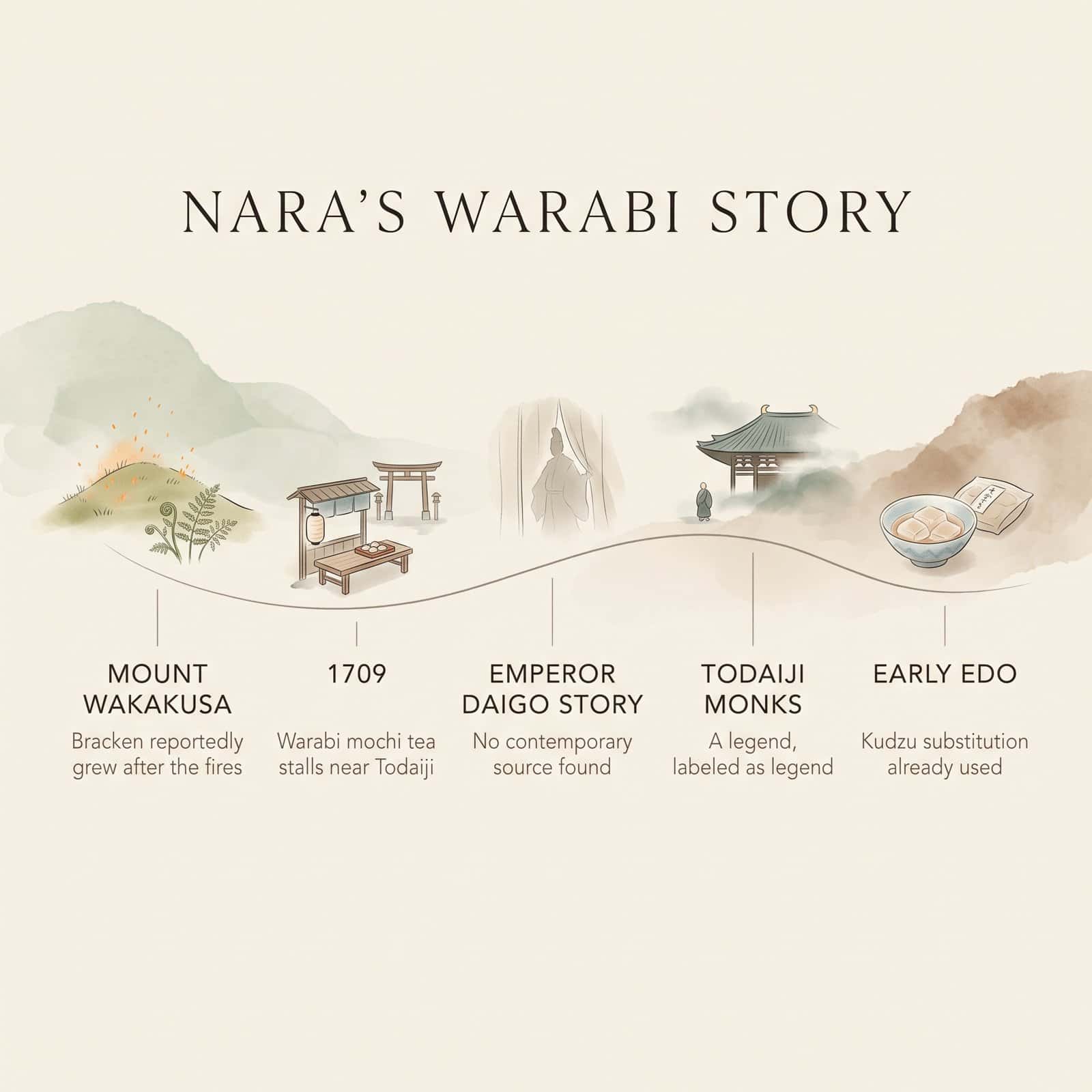
Many articles say the sweet “originated” in Kansai. We could not confirm that. What the public record does support is narrower: Nara has treated it as a local specialty for centuries. That distinction matters, so the history below separates records from stories.
Bracken Starch and Mount Wakakusa
MAFF describes Nara as a former center of warabiko production. Its account connects that trade to Wakakusa Yamayaki, the annual burning of Mount Wakakusa. After the fires, bracken reportedly grew thick on the slopes. The local deer left it alone, so the plants spread, and people dug the roots for starch.
It is a neat explanation, perhaps a little too neat. Nara Prefecture’s own history of the event focuses on other things. It traces the burning to a rite for the spirits of the Uguisuzuka tomb. It also records a ban on unauthorized fires in 1738, followed by supervised burning late in the Edo period. The bracken link is therefore best read as one local account, not a settled fact.
The 1709 Tea Shops Near Todaiji
One dated reference stands out. In 1709, crowds came to Nara for the dedication of Todaiji’s rebuilt Great Buddha Hall. A visitor’s account from that year, titled 寧楽土産, mentions many warabi mochi tea stalls near the Hachiman shrine. MAFF cites it as evidence that the sweet was already a Nara specialty. We have not seen the original manuscript, so we rely on the ministry’s summary.
Older Stories and What Remains Unproven
You will often read that Emperor Daigo loved the sweet in the Heian period. A later tradition does make that connection. However, we found no contemporary source for it. The same applies to claims about Chinese influence in the Kamakura period. MAFF also relays a legend that Todaiji monks first used bracken roots from Mount Wakakusa, and it labels that story as legend.
Substitution has its own long history. A reference survey in Japan’s National Diet Library database points to early Edo sources. These suggest some sweets sold as warabi mochi already used kudzu starch. Still, that does not date the switch to sweet potato or tapioca. Those came later, at a date the sources do not settle.
What Does Warabi Mochi Taste Like?
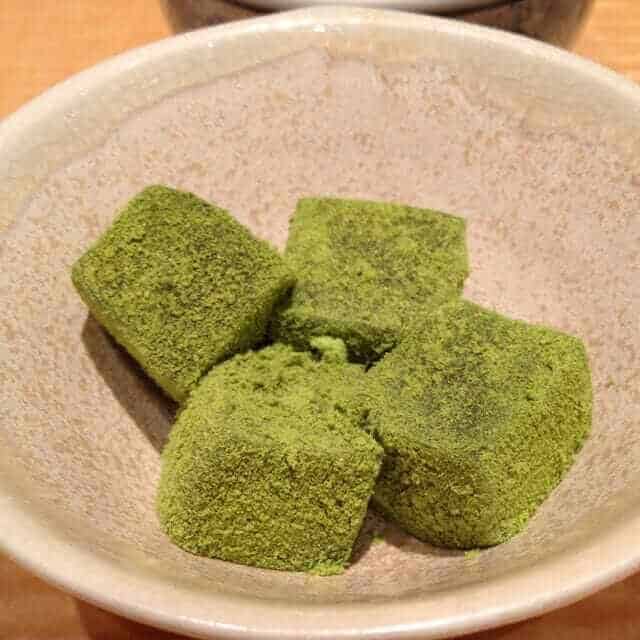
On its own, the jelly tastes of very little. Sugar gives it a mild sweetness, while genuine bracken starch may add a faint earthy note. That quietness is deliberate, because the toppings carry the flavor.
Kinako arrives first, with a toasty smell close to roasted nuts. Kuromitsu follows with a darker sweetness, somewhere near molasses. Then the texture takes over. A piece gives way almost at once, cool and slippery, and it is gone before you expect. Is the texture the real point of the dish? We think so, although kinako lovers may disagree.
Shops usually serve warabi mochi cool because its high water content creates a refreshing texture. For that reason, many people reach for it in hot weather. If you like the idea, another chilled Japanese summer sweet worth trying is mizu yokan.
Modern Versions
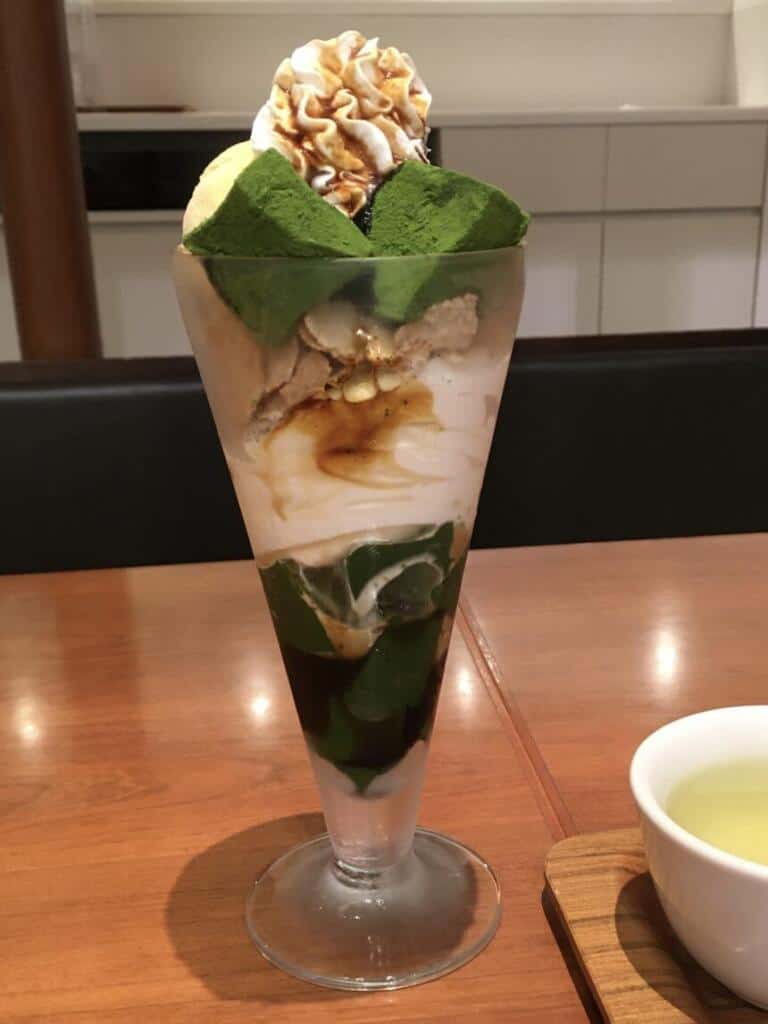
Cafes have pushed the idea in new directions. Nomu warabi mochi, or “drinkable” warabi mochi, comes in a cup with a straw. Parfaits, meanwhile, layer the pieces with ice cream and syrup. These sit beside the classic form, and specialist wagashi shops continue to prioritize the traditional version.
Warabi Mochi Recipe: How to Make It at Home
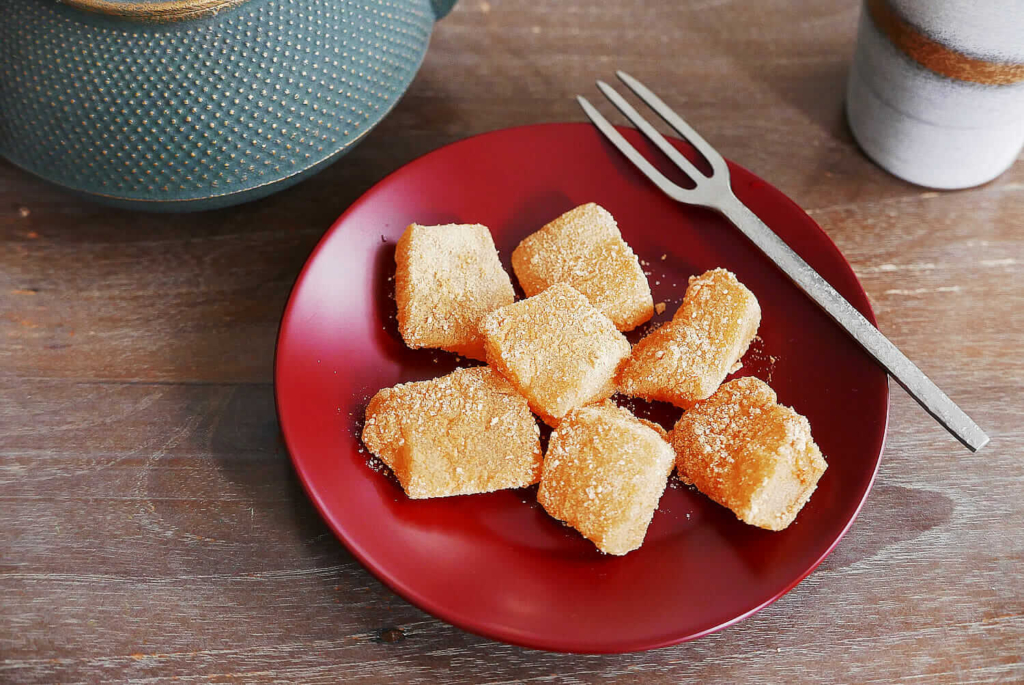
Wondering how to make warabi mochi yourself? It is friendlier to beginners than most wagashi. You need only three warabi mochi ingredients plus the toppings. The ratio below works with warabiko or a substitute starch such as tapioca or sweet potato starch, although the firmness may differ. Pure hon warabiko can need a different ratio, so follow the maker’s package instead.
The Food in Japan editorial team has test-cooked this recipe.
Homemade Warabi Mochi
Ingredients
- 50g warabiko or bracken starch (or substitute: tapioca or sweet potato starch)
- 50g sugar
- 250ml water
- Kinako (roasted soybean flour) for dusting
- Kuromitsu (brown sugar syrup) to serve
Instructions
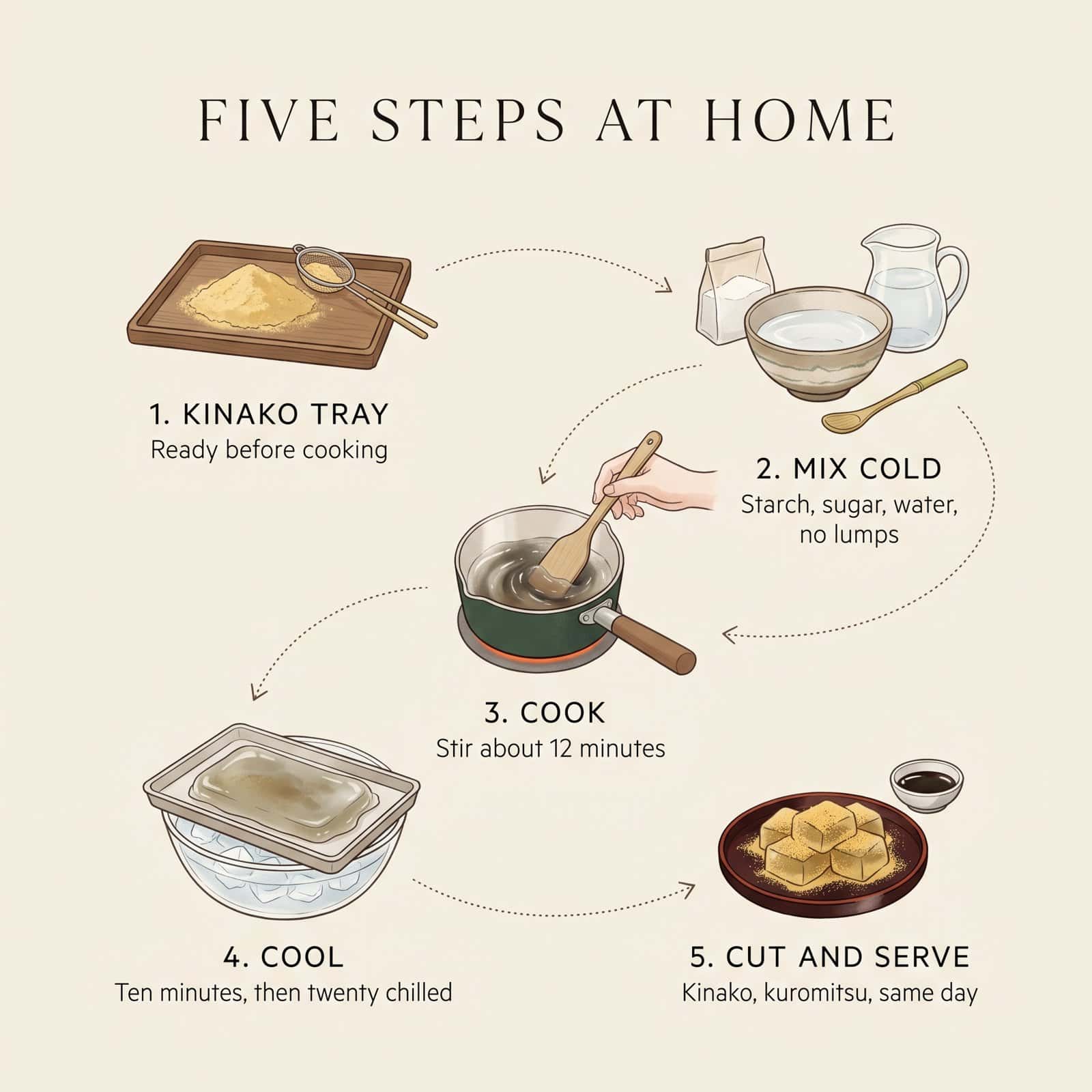
- Prepare the kinako tray. Spread a generous layer of kinako on a flat tray or baking sheet. This will prevent the cooked mochi from sticking and will coat the pieces as you cut them. Have this ready before you start cooking.
- Mix the starch, sugar, and water. Combine the starch, sugar, and water in a medium saucepan. Stir thoroughly with a heat-resistant spatula until there are no lumps. Do this before applying heat, or the starch will clump unevenly once it warms.
- Cook over medium heat. Place the saucepan over medium heat, stirring constantly. As the mixture warms, it will begin to thicken and turn from cloudy white to translucent. Continue stirring for about ten minutes until it becomes fully translucent and pulls away from the sides of the pan. Stir for another two minutes at this stage to ensure even cooking.
- Transfer to the kinako tray and cool. Remove from heat immediately and pour the hot mixture onto the prepared kinako tray. Sprinkle more kinako on top. Let it cool at room temperature for ten minutes. Then refrigerate for about twenty minutes until set and easy to handle.
- Cut and serve. Use a bench scraper or the edge of a spatula to cut the set mochi into bite-sized cubes. Toss the pieces in additional kinako to coat. Arrange on a plate and drizzle with kuromitsu just before serving. Eat the same day for the best texture.
How to Tell When It Is Done
Watch for three signs. First, the paste loses its milky look and turns glassy. Second, the spatula meets strong resistance. Finally, the mass pulls cleanly from the pan in one piece. Cooking time varies with the pan and the starch, so trust these signs over the clock. A heavy-bottomed saucepan helps here, because thin pans scorch quickly.
Troubleshooting Common Problems
- Lumps: The starch met heat before it dissolved. Next time, stir it smooth while the water is still cold.
- Cloudy or chalky: It is probably undercooked. Keep stirring until no white streaks remain.
- Too soft to cut: It likely left the heat too early. Also check that you measured the water correctly.
- Too firm: Long chilling hardens starch gels. Shorten the fridge time and serve sooner.
- Sticking everywhere: Use more kinako on the tray, the top, and the scraper.
Can you cut the sugar? You can, but expect a blander and slightly less tender result. We would change the syrup amount first, since that is easier to adjust at the table.
How Long Does Warabi Mochi Last?
Not long, and there is no single number for every product. A 1994 paper in the Journal of Applied Glycoscience examined bracken starch in detail. Its tests showed retrogradation during cold storage. Put simply, the starch firms and clouds as it sits in the cold. However, the paper did not test shop products, so labels come first.
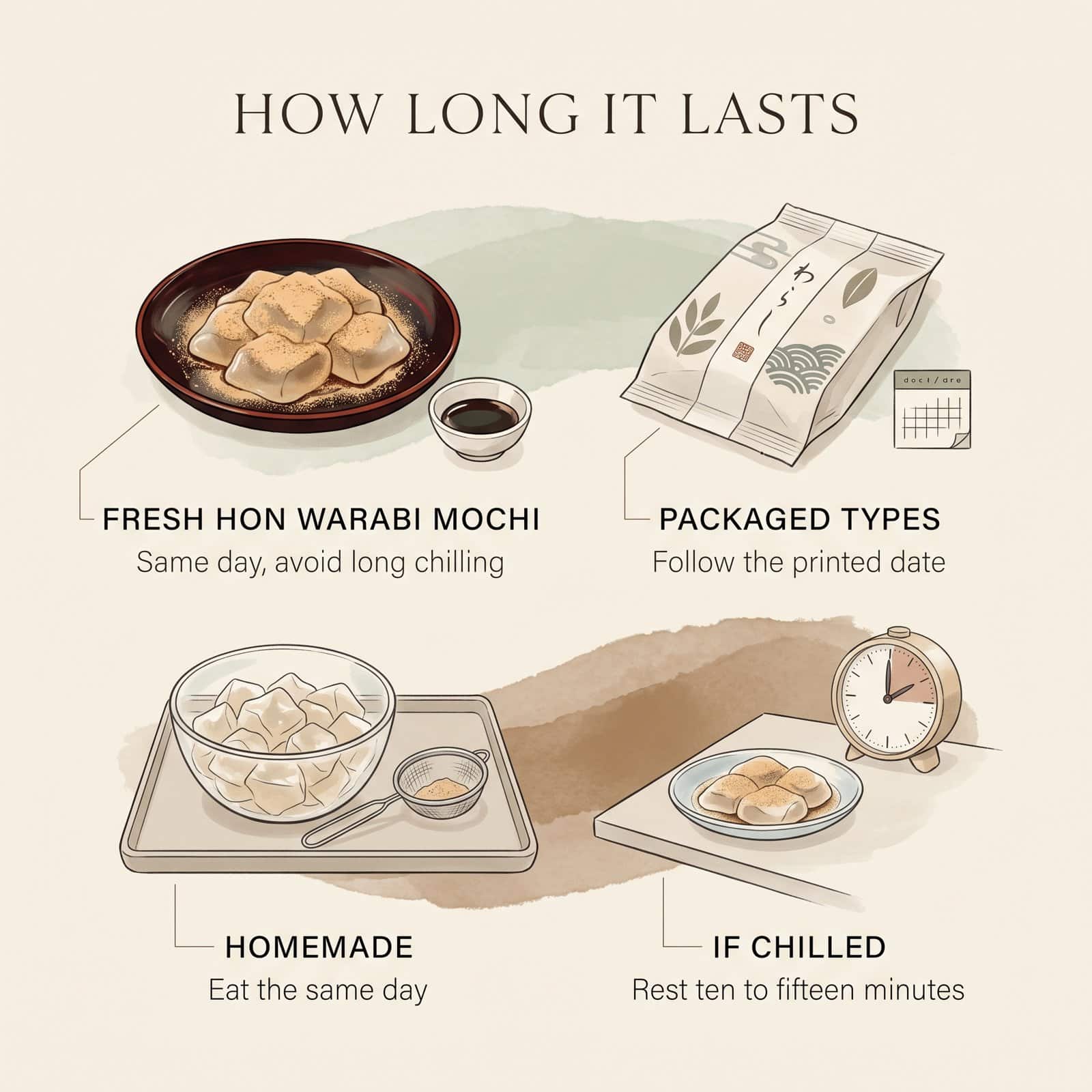
- Fresh hon warabi mochi: Many specialist shops sell it for same-day consumption at room temperature. Avoid long refrigeration.
- Packaged or substitute-starch types: Follow the printed date and storage method. These differ by maker.
- Homemade: Make a small batch and eat it the same day.
- If it has been chilled: Let it rest at room temperature for ten to fifteen minutes before eating.
Dietary Notes
The basic recipe is generally plant-based. Even so, kinako is soy, which is a common allergen. Packaged products may also include additives or share equipment with other foods. Check the ingredient and allergen panel every time. And remember that this is a sugar sweet, not a health food.
Where to Buy Warabi Mochi in Nara and Kyoto
Looking for the best warabi mochi in Nara? Start with the two shops below, then add Kyoto if your route allows. We confirmed these details in October 2026. Hours, prices, and products change, so please check each official site before you go.
| Shop | Address | Hours | Closed | Website |
|---|---|---|---|---|
| Senjuan Yoshimune, Nara main store | 39-1 Oshiage-cho, Nara | 10:00 to 18:00 (retail) | January 1 | senjyuan.co.jp |
| Nakanishi Yosaburo, Naramachi | 23 Wakido-cho, Nara | 10:00 to 18:00 | Monday and Tuesday | naramachi.jp |
| Gion Tokuya, Kyoto | 570-127 Gionmachi Minamigawa, Higashiyama-ku, Kyoto | 12:00 to 18:00. May close early when sold out. | Check the official site | gion-tokuya.jp |
Last checked: October 2026
Senjuan Yoshimune (千壽庵吉宗)
This Nara confectioner lists warabi mochi as its signature product. Its site showed two fresh types when we checked. The standard nama warabi mochi cost 800 yen for six pieces. A premium version cost 3,000 yen and, by the shop’s account, uses only domestic hon warabiko, sugar, and water. The site also lists outlets at Oshikuma, Kintetsu Nara Station, and Nakamachi. The main store’s cafe opens on limited days.
Nakanishi Yosaburo (寧楽菓子司 中西与三郎)
By its own account, this Naramachi shop has traded for over a century. Its product page lists two varieties: plain and Yamato tea. Both use what the shop calls high-quality warabiko. A cafe named Rokuboan operates on site from 11:00 to 17:30. However, the cafe menu we saw did not list warabi mochi. So ask at the counter before you sit down.
Gion Tokuya (ぎをん徳屋)
In Kyoto, this Gion cafe says it kneads hon warabiko with wasanbon, a fine-grained Japanese sugar. It then serves the sweet with kuromitsu and kinako. The shop revised its prices in October 2025, so we do not quote one here. Also expect a queue, since it opens at noon and may close once it sells out.
Best Places by Traveler Type
- Pure hon warabiko: Senjuan Yoshimune’s premium type, or Gion Tokuya
- Cafe seating: Gion Tokuya. In Nara, check cafe days first.
- Souvenirs: Senjuan Yoshimune’s packaged type. Check the date on the label.
- Budget purchases: Senjuan Yoshimune’s standard six-piece box
- Tokyo and Osaka: We have no verified pick right now. Two shops we once listed have since closed.
Summary
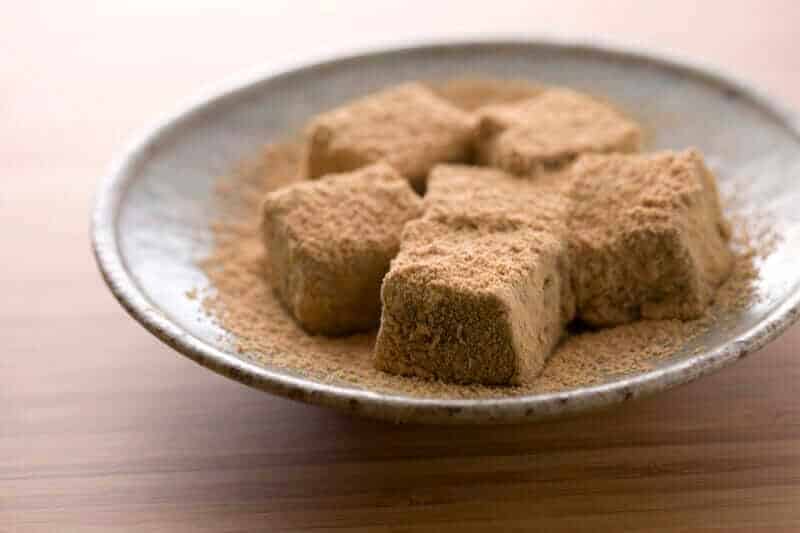
Warabi mochi looks simple, yet one choice changes everything: the starch. Pure bracken starch gives a darker, stickier sweet, and many shops recommend eating it the same day. Substitute starches, on the other hand, give a clear and affordable everyday version. Neither is wrong. Still, if you visit Nara, try a version made with pure hon warabiko once and decide for yourself.
Want to explore further? Our Japanese Snacks Guide covers wagashi, dagashi, and regional sweets across Japan.
Warabi Mochi FAQ
Basics and Ingredients
- What is warabi mochi?
-
It is a soft Japanese sweet made from starch, water, and sugar. Traditional versions use bracken starch, while many modern ones use sweet potato or tapioca starch. People usually eat it with kinako and kuromitsu. Nara, in particular, treats it as a local specialty.
- Is warabi mochi made from rice?
-
No. Regular mochi comes from pounded glutinous rice and feels dense and stretchy. This sweet is a cooked starch gel, so it is lighter and softer. In this name, “mochi” refers to its soft, mochi-like texture rather than a rice ingredient.
- Why is hon warabi mochi expensive?
-
Makers extract warabiko from bracken rhizomes, and the yield is small. Tough fibers slow the work, and some starch escapes during refining. As a result, supply stays limited and prices stay high. Substitute starches cost far less.
- Where can I buy genuine warabi mochi?
-
Visit a specialist wagashi shop and ask which starch it uses. Nara and Kyoto have well-known options, including the three in this guide. Supermarket packs, in contrast, mostly use substitute starches. Always confirm opening days before you travel.
Making and Storing
- How do you make warabi mochi at home?
-
First, stir starch, sugar, and water together while cold. Then cook the mixture over medium heat, stirring constantly, until it turns translucent. Next, pour it onto a tray of kinako and let it cool. Finally, cut it into cubes and add kuromitsu.
- Can I use tapioca starch instead of warabiko?
-
Yes, and many commercial products do exactly that. Sweet potato starch also works. However, the texture and color will differ from bracken starch. If you use pure hon warabiko, follow the ratio on its package instead.
- How long does warabi mochi last?
-
It depends on the product. Many shops sell fresh hon warabi mochi for same-day eating. Packaged types can last longer, so follow the printed date. Homemade batches taste best on the day you cook them, and long chilling makes them firm.
References
- Ministry of Agriculture, Forestry and Fisheries (MAFF) – Warabi Mochi, Nara Prefecture | Our Regional Cuisines (Accessed October 2026)
- Ministry of Agriculture, Forestry and Fisheries (MAFF) – Warabimochi | Japan Traditional Foods Encyclopedia (Accessed October 2026)
- Nara Prefecture – Origin of Wakakusa Yamayaki (Accessed October 2026)
- J-STAGE, Journal of Applied Glycoscience – Suzuki, A. et al. (1994), Structure and Properties of Bracken Starch (わらび澱粉の構造と性質), 41(1), 41-47 (Accessed October 2026)
- J-STAGE, Japan Society of Cookery Science Annual Meeting Abstracts – Survey of the Production Process and Quality of Warabiko from Nishiwaga, Iwate (岩手県西和賀産わらび粉の製造工程と品質特性の調査), 2022 (Accessed October 2026)
- J-STAGE, Japan Society of Cookery Science Annual Meeting Abstracts – Effect of Modified Tapioca Starch Types on the Physical Properties and Sensory Evaluation of Warabi Mochi (加工タピオカ澱粉の種類がわらび餅の物性および官能評価に及ぼす影響), 2017 (Accessed October 2026)
- National Diet Library, Collaborative Reference Database – Reference case on warabi mochi ingredients and warabiko labeling, Yokohama City Central Library (Accessed October 2026)
- Consumer Affairs Agency – Food Labeling Act and Related Standards (Accessed October 2026)
- Tomizawa Shoten – Hon Warabiko 100 g product page (Accessed October 2026)
- Senjuan Yoshimune – Official site and store information (Accessed October 2026)
- Nakanishi Yosaburo – Official site and product information (Accessed October 2026)
- Gion Tokuya – Official site and menu (Accessed October 2026)
Related Articles
- Kuzu Mochi (くずもち) (Surveyed: October 2026)
- Mochi (餅) (Surveyed: October 2026)
- Kashiwa Mochi (柏餅) (Surveyed: October 2026)
- Zunda Mochi (ずんだ餅) (Surveyed: October 2026)
- Mizu Yokan (水羊羹) (Surveyed: October 2026)
- Sweet and Savory: A Guide to Japan’s Snacks and Wagashi (Surveyed: October 2026)





Comments