



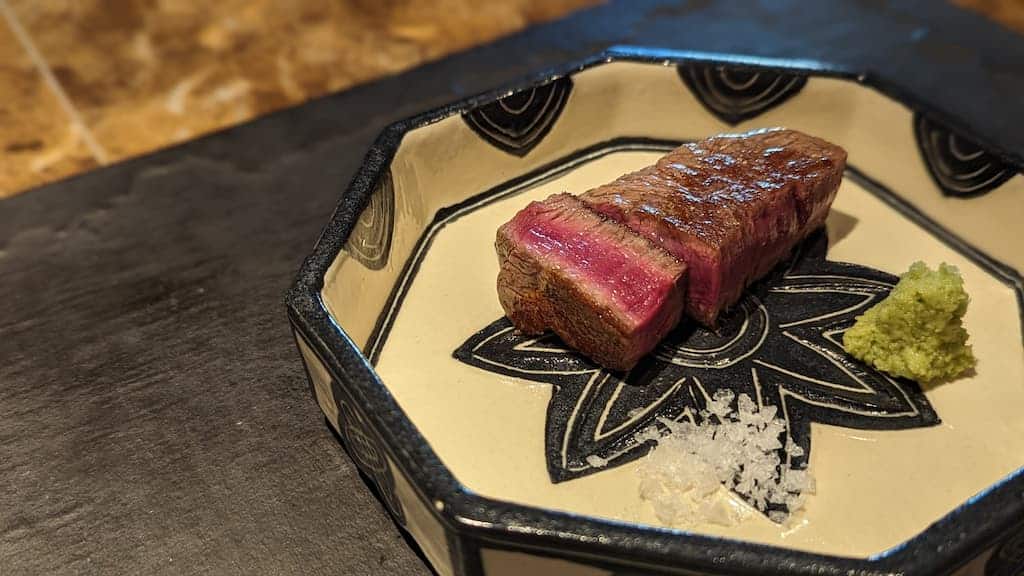
Wagyu is not just expensive beef. It is a legally defined category of Japanese cattle. Understanding that difference matters before you pay for a steak. This article covers what wagyu actually is, how the grading system works, which brands stand out, how to eat it, and how to buy it with confidence.
Quick summary
✔ Wagyu = Japan’s four native cattle breeds only
✔ A5 = the highest grade, combining yield A with meat quality 5
✔ The “Big Three” brands are Kobe, Matsusaka, and Omi beef
✔ Budget range: ¥3,000–¥8,000 per 100g retail; ¥15,000–¥50,000+ for a dinner course
✔ Always check the individual cattle identification number before buying
What Is Wagyu? A Direct Answer
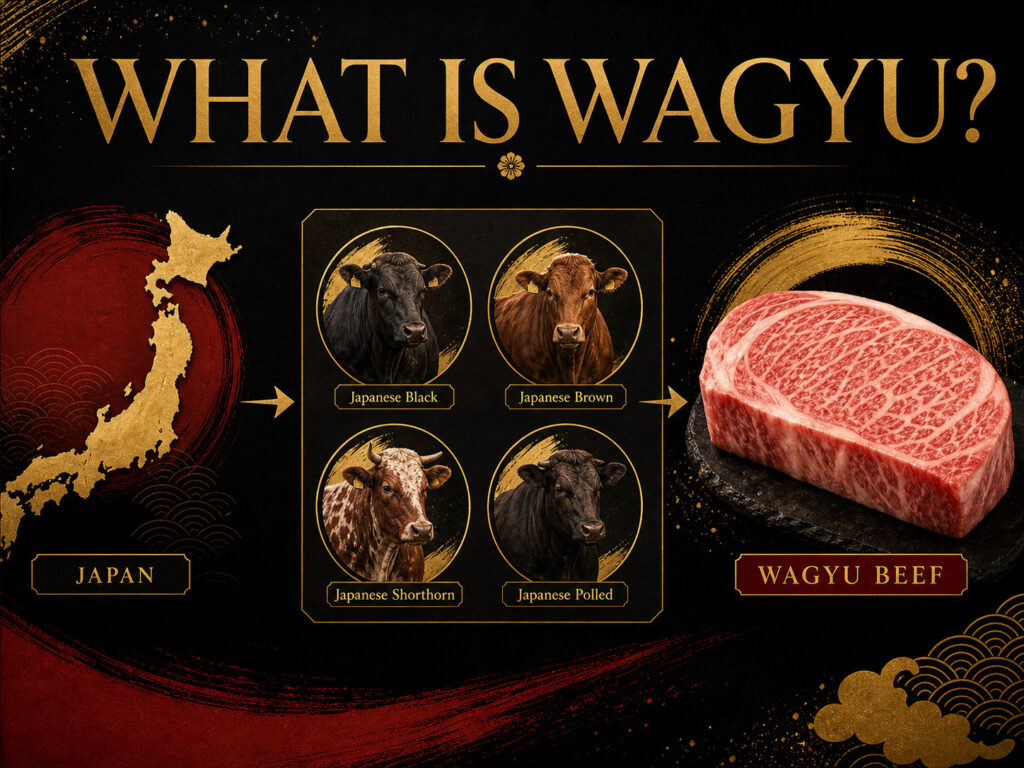
Wagyu (和牛) refers strictly to four native Japanese cattle breeds: Japanese Black (Kuroge), Japanese Brown (Akage), Japanese Shorthorn (Nihon Tankaku), and Japanese Polled (Nihon Mukaku). No other breed qualifies. “Domestic beef” (国産牛) and wagyu are not the same thing. A foreign breed raised in Japan for over three months earns the domestic beef label. Only the four native breeds earn the wagyu label. A5 is not a brand — it is a grade within the Japanese grading system. We explain it fully below.
Wagyu vs. Domestic Beef vs. Imported Beef
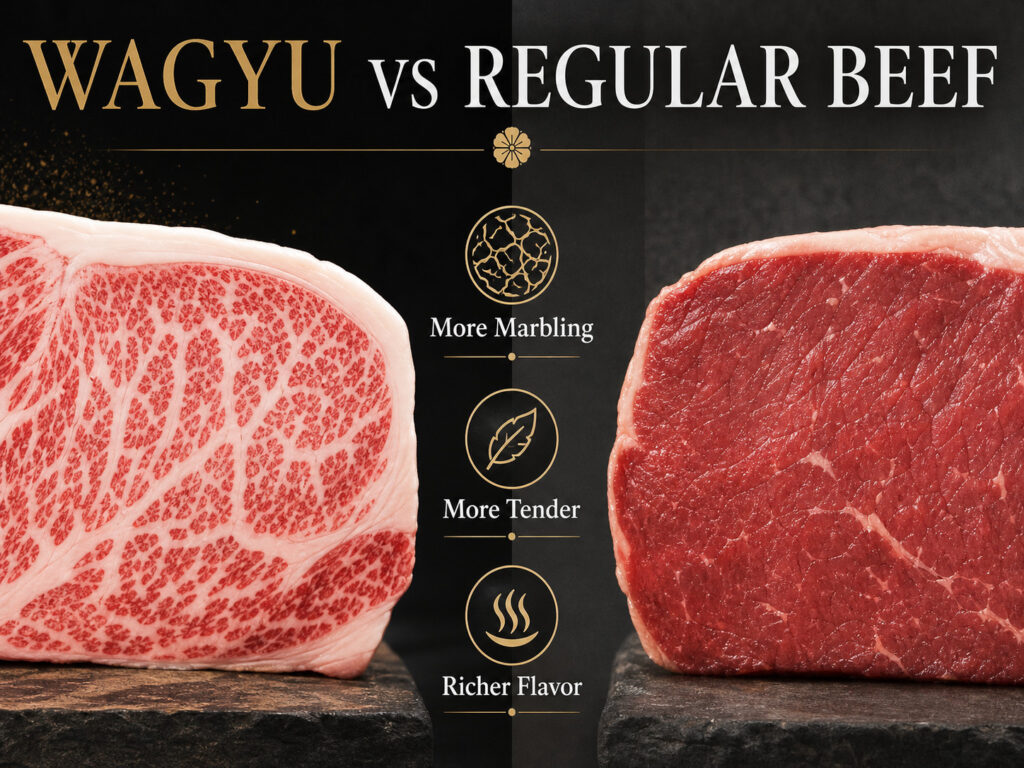
| Category | Definition | Label in Japan | Price range (retail, 100g) | Flavour tendency |
| Wagyu (和牛) | Japan’s four native breeds only | 和牛 | ¥2,000–¥8,000+ | Rich marbling, sweet fat, deep umami |
| Domestic beef (国産牛) | Any breed raised and processed in Japan | 国産牛 | ¥500–¥2,000 | Lighter flavour, leaner texture |
| Imported beef (輸入牛) | Processed outside Japan, then imported | 輸入牛 | ¥300–¥800 | Leaner, firmer, stronger iron note |
The Four Wagyu Breeds
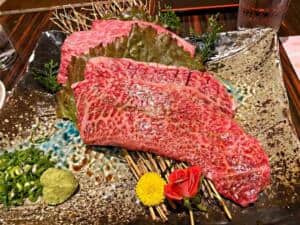
About 95% of all wagyu cattle in Japan are Japanese Black (Kuroge). Its extraordinary marbling — shimofuri (霜降り) — gives the meat its signature sweetness. The other three breeds are far rarer.
- Japanese Black (Kuroge): Around 1.7 million head are raised in Japan. Prized for dense, fine marbling and high oleic acid content. This is the breed behind Kobe, Matsusaka, and Omi beef.
- Japanese Brown (Akage): Tan to reddish-brown coat. Crossbred with foreign stock in the Meiji era. Leaner than Kuroge, with a clean, light taste.
- Japanese Shorthorn (Nihon Tankaku): Dark brown coat. Improved using foreign breeds crossed with native northern Tohoku cattle. Balanced flavour with good lean-to-fat ratio.
- Japanese Polled (Nihon Mukaku): Black coat, small frame, short legs. Developed in Yamaguchi Prefecture. The rarest of the four breeds today.
The Wagyu Grading System Explained
Japanese beef grading uses two parts: a letter (yield grade) and a number (meat quality grade). A5 means yield grade A and meat quality grade 5. That combination represents the highest possible score.
Quick read before the tables:
• A = yield (how much edible meat the carcass produces, 72%+)
• 5 = top meat quality across all four sub-criteria
• BMS No. 8–12 = “abundant” marbling required for grade 5
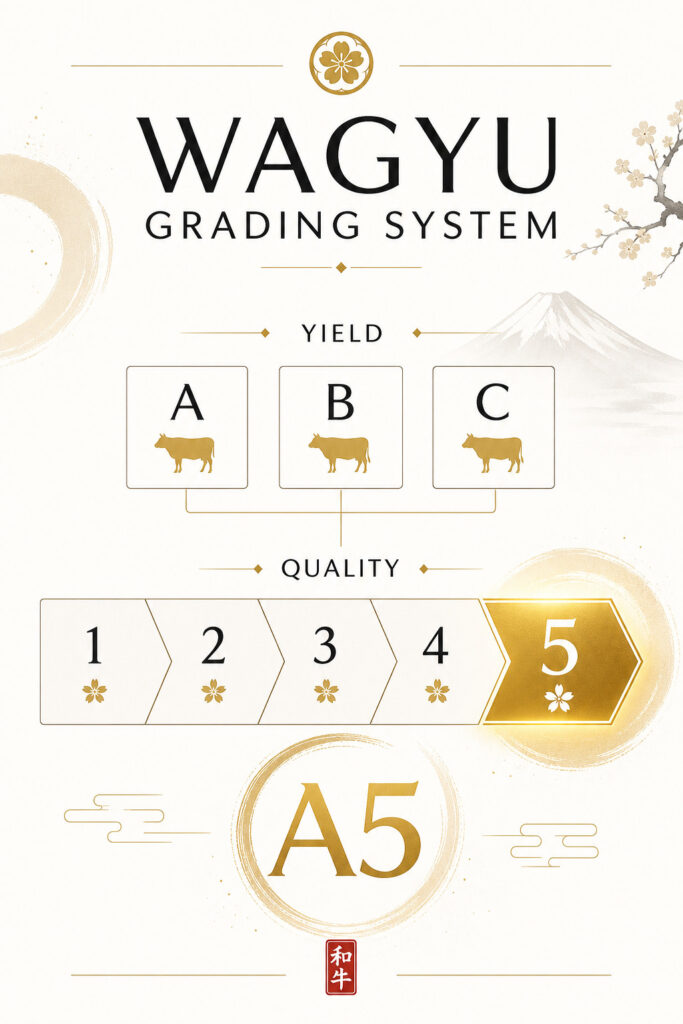
Yield Grade (A / B / C)
The yield grade measures productivity: what percentage of the carcass becomes edible cuts. Grade A means 72% or more is edible. Grade B covers 69%–72%. Grade C falls below 69%. This letter says nothing about taste — it measures farmer efficiency.
Meat Quality Grade (1–5)
Four sub-criteria each receive a score from 1 to 5. The lowest score among the four becomes the overall meat quality grade. The four criteria are marbling, meat colour, meat texture, and fat quality.
Beef Marbling Standard (BMS)
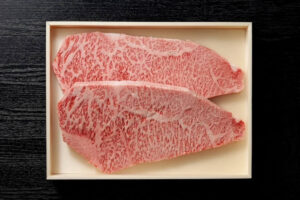
BMS measures the density of fat streaks running through the lean muscle — what the Japanese call shimofuri (霜降り). The scale runs from No. 1 (very sparse) to No. 12 (extremely abundant). BMS 8 or above earns marbling grade 5.
| Marbling Grade | Description | BMS Number |
| Grade 1 | Very scarce | No. 1 |
| Grade 2 | Somewhat scarce | No. 2 |
| Grade 3 | Standard | No. 3–4 |
| Grade 4 | Somewhat abundant | No. 5–7 |
| Grade 5 | Abundant | No. 8–12 |
Source: Japan Meat Grading Association (目安値・indicative ranges)
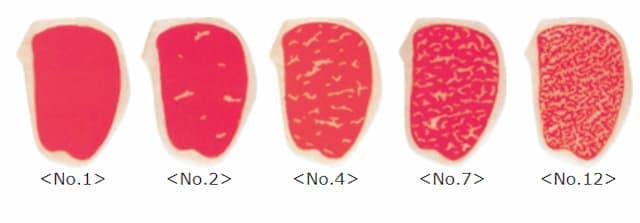
(Source: Japan Meat Information Service Center)
Beef Color Standard (BCS) — Meat Colour
A brighter, cleaner red signals freshness and good muscle quality. Inspectors compare the cut surface against a numbered colour chart. Higher grades require a tighter range of acceptable colours.

(Photo source: Japan Meat Grading Association)
| Colour Grade | Acceptable BCS Numbers |
| Grade 1 | – |
| Grade 2 (close to standard) | No. 1–7 |
| Grade 3 (standard) | No. 1–6 |
| Grade 4 (good) | No. 2–6 |
| Grade 5 (excellent) | No. 3–5 |
Meat Texture and Firmness
Inspectors assess texture with the naked eye. Finer grain and tighter structure earn a higher score. Loose, coarse texture scores grade 1; excellent firmness scores grade 5.
| Grade | Firmness | Texture |
| Grade 1 | Loose | Coarse |
| Grade 2 | Close to standard | Close to standard |
| Grade 3 | Standard | Standard |
| Grade 4 | Good | Fine |
| Grade 5 | Excellent | Very fine |
Beef Fat Standard (BFS) — Fat Quality

(Photo source: Japan Meat Grading Association)
Fat colour, gloss, and quality all factor into the BFS score. Bright white, glossy fat scores higher. Yellowish or dull fat scores lower. Good fat quality is especially important for sukiyaki (すき焼き), where the fat melts into the sweet broth and defines the dish’s flavour.
| Fat Grade | Acceptable BFS Numbers |
| Grade 1 | – |
| Grade 2 (close to standard) | No. 1–7 |
| Grade 3 (standard) | No. 1–6 |
| Grade 4 (good) | No. 1–5 |
| Grade 5 (excellent) | No. 1–4 |
Grading glossary in brief
BMS (Beef Marbling Standard) — measures fat streaks in the lean, No. 1–12.
BCS (Beef Color Standard) — measures meat colour using a reference chart.
BFS (Beef Fat Standard) — measures fat colour and gloss.
All three are assessed at slaughter by a certified Japan Meat Grading Association inspector.
History: Tajima Cattle and the Near-Extinction of Wagyu
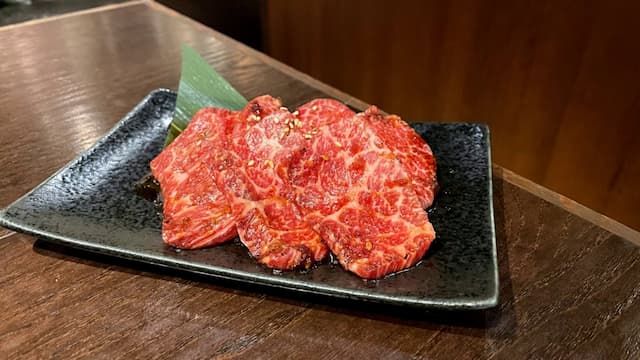
Most people who enjoy wagyu today have no idea how close it came to disappearing entirely. During the Edo period, cattle were working animals, not food. Families kept them for farming. Beef only entered the mainstream diet in the early Meiji era, when Western cuisine arrived in Japan.
Government breeders began crossing Japanese cattle with foreign males to increase productivity. The experiment backfired badly. The crossbred animals were often sickly, and their meat quality dropped sharply. By the early 20th century, pure native breeds were nearly gone.
Tajima Beef: The Root of It All
What is Tajima beef?
Tajima beef is Japanese Black cattle raised and fattened in Hyogo Prefecture. Among Tajima cattle, those that meet strict standards for marbling, colour, and texture earn the title Kobe beef (神戸牛). Kobe beef is, in other words, the highest-grade tier of Tajima beef. Tajima cattle generally score BMS 3–5; Kobe beef requires BMS 6 or above.
A 2012 survey found that 99.9% of all Japanese Black cattle trace their DNA to a single bull called Tajiri-go, born in the remote mountain village of Ojiro-ku, Kami-cho in Hyogo. The village sits at 700 metres elevation. Its isolation kept those cattle from crossbreeding during the Meiji-era experiments.
One of the four surviving pure-bred Tajima cows gave birth to Tajiri-go. He had exceptional genetics and outstanding meat quality. Breeders used him widely. Without those four isolated cows and Tajiri-go, the wagyu enjoyed worldwide today would not exist. The story still strikes me as remarkable — the entire lineage of Japanese Black cattle hanging on a few animals in a mountain village.
Japan’s Best Wagyu Brands: The Big Three (Sandai Wagyu)
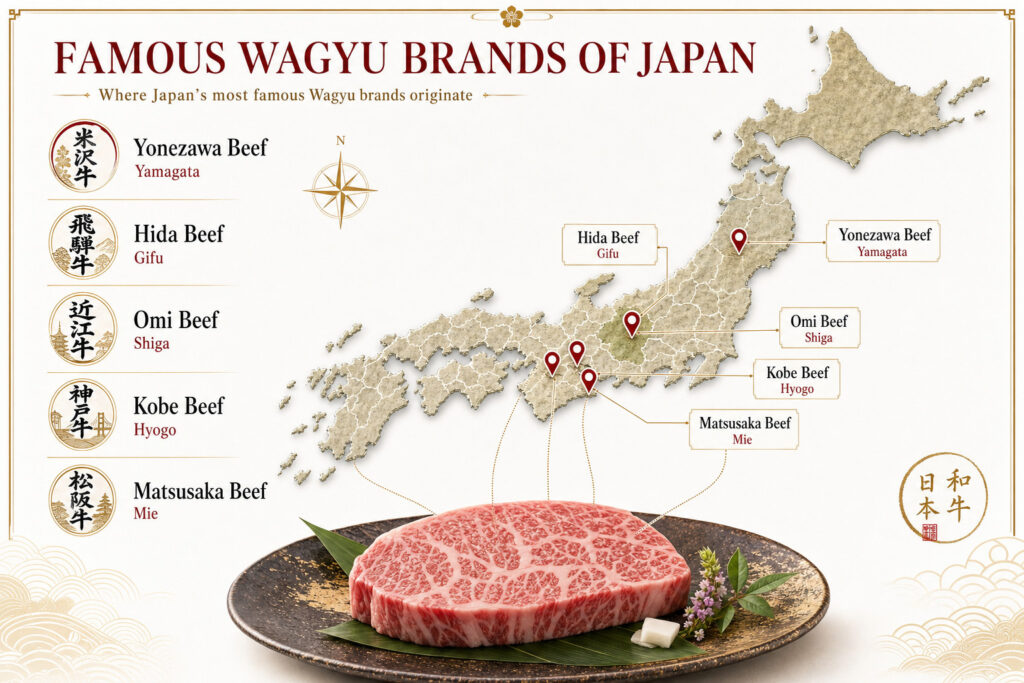
Japan has over 300 regional wagyu brands. Three stand above the rest as the Sandai Wagyu (三大和牛) — the “top three wagyu.” All three trace their cattle lineage to Tajima beef in Hyogo. Each region’s environment, feed, and farming tradition produce a distinctly different eating experience.
Omi Beef (近江牛)
Omi beef (近江牛) is Japan’s oldest documented beef brand, with records stretching back over 400 years to Shiga Prefecture’s Omi Province. During the Edo period, when beef consumption was officially banned, locals sold Omi beef to the Tokugawa shogunate disguised as a medicinal miso paste called “Henpongan.” It spread quietly from there. Today Omi beef is known for rich marbling combined with a refreshing, relatively clean finish. It suits shabu-shabu (しゃぶしゃぶ) beautifully — the light broth lets the sweet fat shine without becoming heavy.
Read more about Omi beef (近江牛) including history, recommended cuts, and where to eat in Shiga and Kyoto.
Kobe Beef (神戸牛)
Kobe beef (神戸牛) is the most internationally recognised Japanese beef brand. It comes from Tajima cattle raised in Hyogo Prefecture and must meet some of the strictest criteria of any brand in Japan. BMS must reach at least 6; overall meat quality grade must be 4 or 5; the cattle must be born, raised, and processed entirely within Hyogo. Very few cattle qualify each year. The flavour is intense and fine-grained, with a deep, lingering richness that makes sukiyaki one of the best ways to experience it.
Find out why Kobe beef (神戸牛) commands such extraordinary prices — and how to tell genuine Kobe from imitations.
Matsusaka Beef (松阪牛)
Matsusaka beef (松阪牛) comes from Mie Prefecture and is often described as the richest of the three. Farmers raise calves sourced from the Tajima region, then fatten them for over 900 days — far longer than standard. Some farmers reportedly give the cattle beer or massage them with shochu to minimise stress. Whether or not those methods change the meat science, the result is extraordinary: an oleic acid content high enough to give the fat a melt-point just below body temperature. It literally begins to soften before it reaches your palate.
Learn the difference between regular Matsusaka and “Tokusan” grade in our Matsusaka beef (松阪牛) guide.
Wagyu by Cut: Which Part for Which Dish?
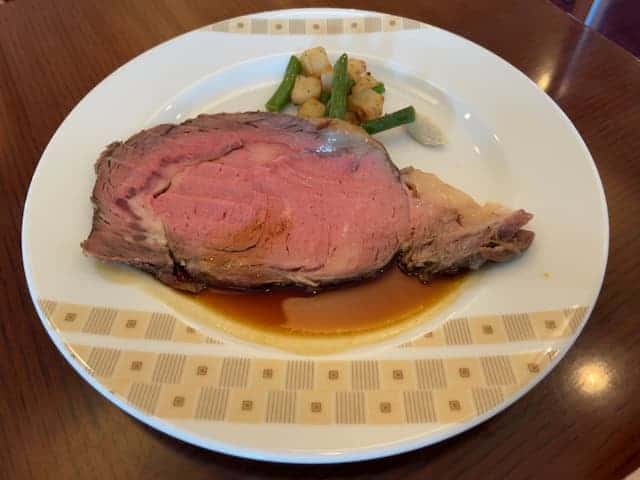
Not every cut suits every cooking method. A5 sirloin in a rich sukiyaki sauce makes sense. The same cut served as shabu-shabu lets the fat speak without sweetness competing. Choosing the right cut matters almost as much as choosing the grade.
| Cut | Japanese name | Marbling level | Best for |
| Sirloin | サーロイン | Very high | Teppanyaki, sukiyaki, steak |
| Ribeye | リブロース | High | Yakiniku, shabu-shabu, steak |
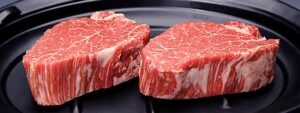
| Tenderloin / Fillet | ヒレ | Low to medium | Tataki, steak, gyu tataki |
| Chuck roll | 肩ロース | Medium | Shabu-shabu, sukiyaki, yakiniku |
| Short rib / Kalbi | カルビ | Medium–high | Yakiniku, gyudon, nikujaga |
How to Eat Wagyu: Classic Dishes
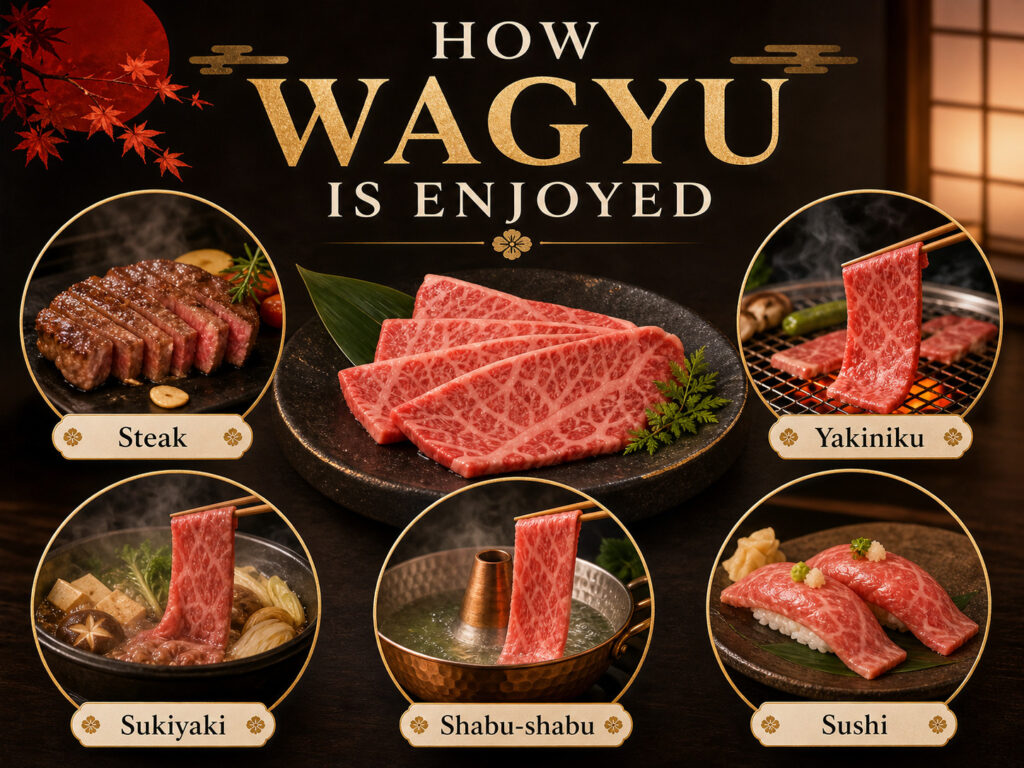
Wagyu is versatile. It shines in hot pots, on the grill, as a donburi topping, and even sliced thin as tataki. Here are the dishes that bring out its best qualities.
Sukiyaki (すき焼き)
Sukiyaki is a sweet-savory hot pot. Thinly sliced wagyu simmers in a warishita sauce of soy, sugar, and mirin, then gets dipped in raw egg before eating. Kobe and Matsusaka beef are both brilliant choices here — their intense fat integrates beautifully with the sweet broth. Kanto-style and Kansai-style sukiyaki differ in how the sauce is added; both reward quality beef.
Shabu-shabu (しゃぶしゃぶ)
Shabu-shabu uses a clear kombu dashi broth. Each slice of beef gets swished through the hot stock for seconds, then dipped in ponzu or sesame sauce. Because the broth adds no sweetness, the natural flavour of the wagyu fat comes through undisguised. Ribeye and chuck roll work especially well for this style.
Gyunabe (牛鍋)
Gyunabe is the historical predecessor of sukiyaki. The beef simmers directly in broth without being grilled first, so it stays more tender. Some people feel it has a purer beef flavour than sukiyaki’s sweetness allows.
Yakiniku (焼肉)
Yakiniku lets you grill each cut yourself at the table. A5 wagyu on a charcoal grill needs only 20–30 seconds per side. The fat should just begin to render, not cook out entirely. This is probably the most common way Japanese people eat premium wagyu.
Gyudon (牛丼)
Gyudon tops a bowl of steamed rice with thin-sliced beef and onions simmered in a lightly sweet soy broth. It is Tokyo’s everyday beef dish. Using wagyu transforms it from fast food to something genuinely luxurious.
Nikujaga (肉じゃが)
Nikujaga (niku = meat, jaga = potato) is Japan’s version of a hearty stew. Beef, potato, onion, and konnyaku braise together in sweetened soy sauce. Wagyu is not traditional here, but using it makes a comforting home dish genuinely special.
Gyu Tataki (牛たたき)
Beef tataki is seared quickly on the outside and left rare inside, then marinated and sliced thin. The fillet cut suits this best — lower fat keeps the flavour clean. It is one of the few wagyu dishes that shows the lean meat’s quality rather than the fat.
Gyu Tataki Recipe
Total time: about 90 minutes (including 30 min resting + minimum 1 hour marinating). Serves 3–4.
Ingredients
| Ingredient | Amount |
| Fillet beef (wagyu preferred) | 600g |
| Red wine | 300ml |
| Salt and pepper | To taste |
| Grated ginger | To taste |
| Onion (optional) | ½ |
Method
Remove the beef from the refrigerator 30 minutes before cooking. Pat dry and season all sides with salt and pepper. This step helps the meat cook more evenly and reduces excess moisture.
Heat a pan over high heat until very hot. Sear the fillet on all sides — including the ends — until a deep brown crust forms. This typically takes 1–2 minutes per surface. Thorough searing reduces surface bacteria; do not skip or rush this step.
Wrap the seared meat tightly in aluminium foil. Rest at room temperature for 30 minutes. This allows juices to redistribute evenly before slicing.
Place the cooled beef in a zip bag or container with red wine. Marinate in the refrigerator for at least 1 hour; overnight gives a deeper flavour. Keep refrigerated throughout — do not marinate at room temperature.
Remove the beef and slice thinly across the muscle fibres (perpendicular to the grain). Cutting against the grain shortens the fibres and makes each slice more tender. Aim for 5–7mm thickness.
Arrange on a plate with sliced onion soaked in cold water and fresh sprouts if you like. Dip in ponzu or soy-ginger sauce. Note: because the centre remains rare, tataki is not recommended for pregnant women, young children, the elderly, or anyone with a compromised immune system.
Budget Guide: What Does Wagyu Cost?
Wagyu pricing varies widely depending on grade, brand, and whether you are buying retail or dining out. Here is a realistic reference — prices are indicative ranges, not guarantees.
| Situation | Typical price range | Notes |
| Retail A4 wagyu (per 100g) | ¥2,000–¥4,000 | Supermarket or butcher |
| Retail A5 wagyu (per 100g) | ¥4,000–¥8,000+ | Brand beef (e.g. Kobe) costs more |
| Wagyu lunch course (Tokyo) | ¥3,000–¥8,000 | Varies by restaurant and cut |
| Wagyu dinner course (Tokyo) | ¥15,000–¥50,000+ | Omakase courses at premium venues |
| A4 vs A5 taste difference | – | A4 has lighter fat, less intense; A4 can be easier to eat in larger portions |
Is A5 always better? Not necessarily. A5 marbling is so rich that some people find a full steak overwhelming. A4, or even an A3 with high BMS, can deliver outstanding flavour with less richness. It depends on what you want from the meal.
How to Buy Wagyu: Spotting the Real Thing
Fake or mislabelled wagyu exists in Japan and is far more common abroad. Here is a quick checklist for buying with confidence.
- Check the label text carefully. The package must say 和牛 (wagyu) — not 国産牛 (domestic beef) or simply 牛肉 (beef). These are legally different.
- Use the individual cattle identification number. Every wagyu animal in Japan receives a 10-digit traceability number at birth. You can enter it at the NLBC (National Livestock Breeding Center) website to verify the breed, region, and slaughter date.
- Check grade and brand separately. “A5” does not mean “Kobe.” A5 is a grade; Kobe is a brand with its own additional criteria. An A5 from an unknown region can be excellent, but it is not Kobe beef.
- Be sceptical of overseas “wagyu.” Some countries raise Wagyu-cross cattle and market them as wagyu. The breed genetics may be partly present, but the result differs significantly from pure-bred Japanese Kuroge raised under Japanese conditions.
- Brand beef certification cards. Major brands like Kobe and Matsusaka issue individual certification documents with the cattle’s ID. Ask for it at retailers and restaurants.
Wagyu Restaurants in Tokyo
Towa (常) — Nishi-Azabu
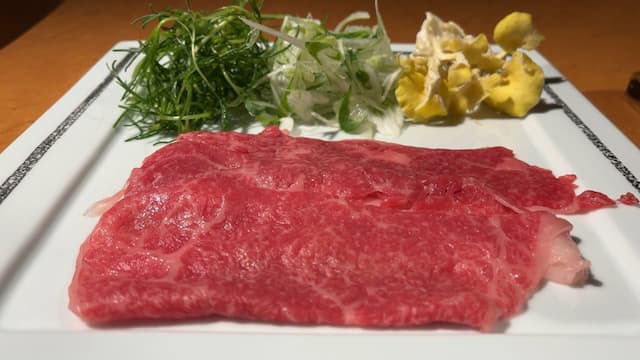
A refined restaurant specialising in high-quality wagyu alongside seasonal Japanese dishes including simmered preparations and sashimi. The menu changes with the season, so the wagyu dishes you find in winter differ from what appears in summer. Worth booking ahead for a special dinner.
Oniku Hanayagi (おにく 花柳) — Ginza
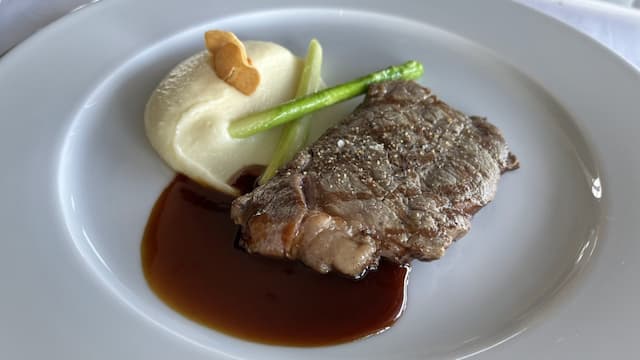
Oniku Hanayagi focuses on Japanese Black (Kuroge Wagyu) and has attracted attention from overseas food media. The approach is simple: source outstanding beef and let the quality speak. If you want to understand what Kuroge wagyu tastes like at its finest, this is a reliable choice.
Ginza Tsuru (銀座つる) — Ginza
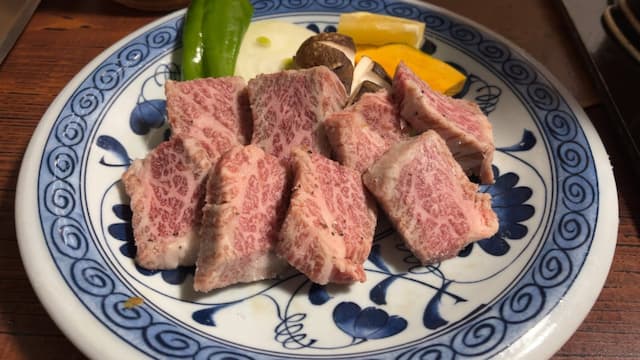
Ginza Tsuru serves Joshu wagyu from Gunma Prefecture — cattle raised with mineral-rich water from the Akagi, Haruna, and Myogi mountain regions. The restaurant offers course menus centered on shabu-shabu and sukiyaki. For a wagyu lunch in central Tokyo, this is one of the more accessible options in an otherwise expensive neighbourhood.
What to Do Next
Wagyu is one of those subjects where reading only gets you so far. The real education happens when you eat it — ideally in different styles, at different grade levels, from different regions. Here are three next steps depending on where you are in your wagyu journey.
- Ready to eat: Book a table at one of the Tokyo restaurants above, or search for a local yakiniku restaurant and ask specifically for A4 or A5 Japanese Black.
- Want to cook at home: Start with the gyu tataki recipe above using a fillet cut. Or try sukiyaki — the sweet broth is forgiving and the result is always impressive.
- Curious about specific brands: Read the dedicated guides for Kobe beef, Matsusaka beef, and Omi beef to understand what makes each one distinct.
Wagyu FAQ
What does A5 wagyu actually mean?
A5 wagyu carries two scores: the letter A means the carcass yields 72% or more edible meat (the highest yield grade), and the number 5 means the meat quality grade is the highest possible across all four sub-criteria — marbling, colour, texture, and fat quality. Both scores must be achieved together. A5 does not automatically mean a specific brand; it is a grade that any qualifying wagyu can earn.
Is A5 the most delicious wagyu?
Not necessarily. A5 represents the highest grading standard, but flavour is personal. The “A” yield grade measures carcass productivity, not taste. The number 5 includes marbling, which drives richness — but some people find very high BMS (No. 10–12) almost too intense for a full portion. A4 with BMS 7–8 often delivers outstanding eating quality that is slightly easier to enjoy over a longer meal. The key flavour compound in wagyu fat is oleic acid, the same fatty acid found in olive oil. Higher oleic acid creates lower melt-point fat and a sweeter, more aromatic finish.
Is Tajima beef the same as Kobe beef?
They are related but different. Tajima beef is Japanese Black cattle raised in Hyogo Prefecture. Kobe beef is a top-tier subset of Tajima beef that meets additional certification criteria, including BMS of 6 or above, overall meat quality grade 4 or 5, and full traceability within Hyogo. Every piece of Kobe beef starts as Tajima beef, but most Tajima beef does not qualify as Kobe.
Is A5 wagyu too rich or heavy?
It can be, particularly with very high BMS cuts like sirloin. Japanese people often eat A5 wagyu in smaller portions — 80–150g for a steak — rather than the large cuts common in Western beef dining. Pairing with rice, vegetables, or a light broth (as in shabu-shabu or sukiyaki) balances the richness. If you are new to A5, start with a smaller cut rather than a full steak.
Is overseas “wagyu” the same as Japanese wagyu?
No. Some countries, including Australia and the United States, breed Wagyu-cross cattle and market the beef as wagyu. The genetics may include Japanese Black lineage, but the animals are not pure-bred, the feed and farming conditions differ significantly, and Japanese law does not apply to labelling. The result can still be excellent beef, but it is a different product from Japanese wagyu. Pure-bred wagyu raised outside Japan under Japanese standards is rare and expensive; most overseas wagyu is a cross.
What is the best way to cook wagyu at home?
For A5 cuts, less is more. Season with salt only; skip oil since the fat content is sufficient. Use a very hot cast-iron pan and sear for 30–45 seconds per side maximum. Rest briefly before slicing. For shabu-shabu or sukiyaki at home, a sliced chuck roll or ribeye at A3 or A4 grade delivers excellent results without the cost of A5.
Is wagyu safe for children or during pregnancy?
Cooked wagyu dishes — sukiyaki, shabu-shabu, yakiniku, gyudon — are safe for children and generally suitable during pregnancy when cooked thoroughly. Raw or rare preparations like gyu tataki or beef nigiri are not recommended for pregnant women, young children, elderly people, or anyone with a weakened immune system, as the centre remains undercooked. When in doubt, opt for fully cooked preparations or consult your doctor.
What is the recommended doneness for wagyu?
For yakiniku and teppanyaki, medium-rare to medium is the standard recommendation for A4 and A5 wagyu. The fat needs enough heat to render slightly, but overcooking destroys the texture and wastes the expensive marbling. For a steak, an internal temperature of around 55–60°C (130–140°F) gives good results. The Japanese generally eat wagyu at a lighter doneness than Western beef precisely because the fat melts at a lower temperature.
References
- Japan Meat Grading Association (JMGA) — Beef Grading Standards (Surveyed: June 2025)
- Ministry of Agriculture, Forestry and Fisheries of Japan (MAFF) — Livestock industry statistics (Surveyed: June 2025)
- Kobe Beef Marketing and Distribution Promotion Association — Kobe beef certification criteria (Surveyed: June 2025)
- Matsusaka Beef Brand Council — Matsusaka beef definition and traceability (Surveyed: June 2025)
- National Livestock Breeding Center (NLBC) — Cattle individual identification database (Surveyed: June 2025)
If you love wagyu, do not miss these related articles:



Comments