




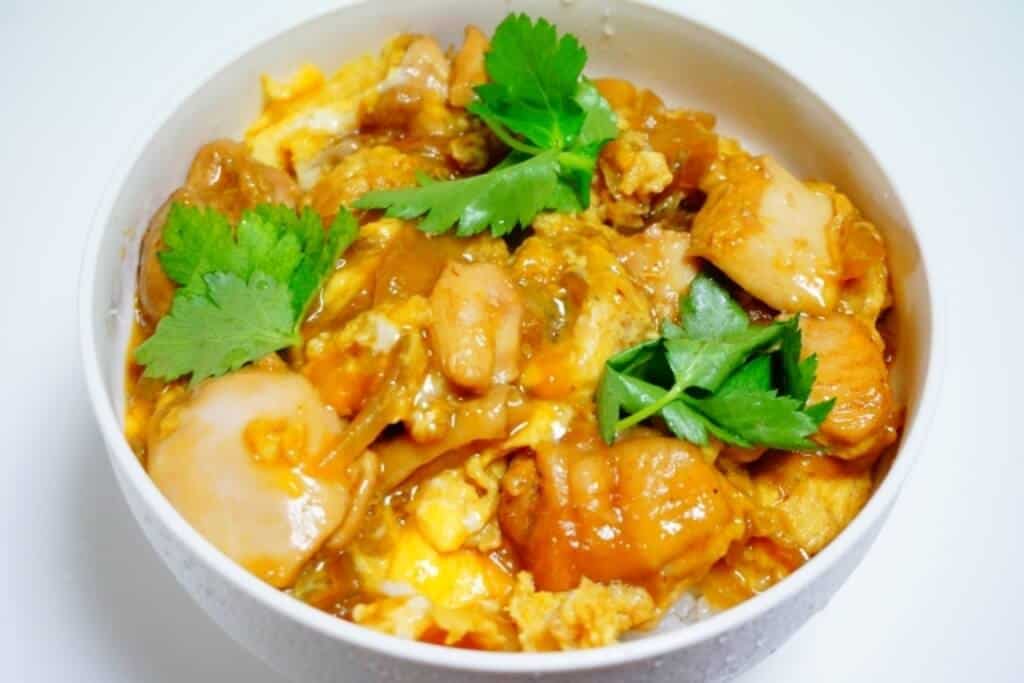
Oyakodon is a Japanese rice bowl made with chicken, egg, onion, and a dashi-based sauce. The name means “parent and child bowl.” It is one of Japan’s most popular comfort donburi dishes.
This article explains what oyakodon is, where the name comes from, how it developed, and where to try it in Japan. You can make it at home, and you can also find it at soba shops, udon shops, yakitori restaurants, and chicken specialty restaurants.
What Is Oyakodon?
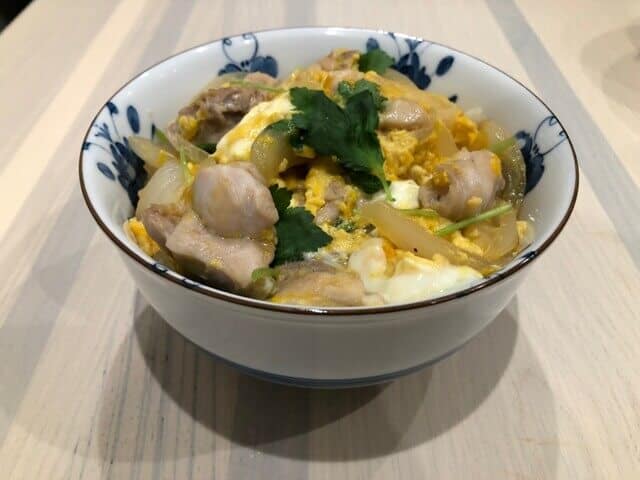
Oyakodon is a donburi, or Japanese rice bowl, topped with chicken and egg. Cooks simmer chicken and onion in a sweet-savory broth, then finish the bowl with egg, mitsuba, or nori. The sauce balances dashi, soy sauce, mirin, and sugar, giving the bowl a light sweet-savory taste.
So what is oyakodon at its heart? It is simple home cooking, raised to comfort-food status. Among Japanese rice bowls, oyakodon stands out for its gentle flavor and homestyle comfort.
Oyakodon Meaning
The literal translation of oyakodon (親子丼) is “parent-and-child rice bowl.” “Oya” means parent, “ko” means child, and “don” is short for donburi. The chicken is the parent, and the egg is the child. The name sounds playful, yet it captures the dish exactly.
What Does Oyakodon Taste Like?
The first taste is gentle and warm. The broth is lightly sweet, backed by savory dashi and soy. The egg stays soft and silky, almost custard-like. Tender chicken and sweet onion round it out.
I will admit, it sounds almost too plain on paper. Yet the soft egg soaking into warm rice feels deeply comforting. A few mitsuba leaves add a fresh, herbal lift. It is the kind of bowl you crave on a tired evening.
History of Oyakodon
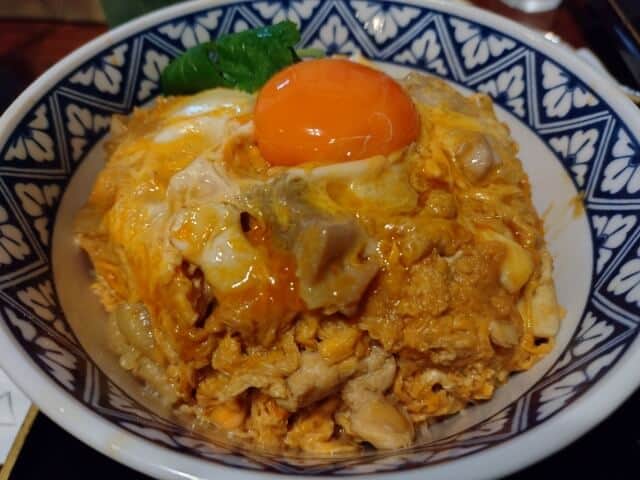
Oyakodon was born in the Meiji era and has been loved for over 100 years. Its roots, though, reach much further back. The story moves through three rough stages.
Proto Rice Bowls
The idea of food over rice dates to the Muromachi period. A dish called “hohan” placed boiled vegetables and fish on rice, then added soup. It was easy to eat and looked refined. The upper class enjoyed it as a trend food.
Edo Dining Culture
The late Edo period saw restaurants flourish. Soba, sushi, and tempura shops multiplied across the city. Rice bowls like tempura don and eel don appeared. This donburi culture set the stage for oyakodon.
Meiji Popularization in Tokyo
Oyakodon then took shape in Meiji-era Tokyo. The Tokyo restaurant Tamahide is widely credited with popularizing it. Chicken and egg, simmered together, became a natural pairing. Soon the dish spread nationwide.
Relationship with Soboro Don

Soboro don is a useful comparison, because both are chicken rice bowls, but their texture and portability differ. Shops created soboro don for customers who wanted oyakodon to go. A century ago, there were no leak-proof containers. The loose broth of oyakodon spilled easily during transport. So cooks made a drier, minced version that traveled well.
Key Ingredients
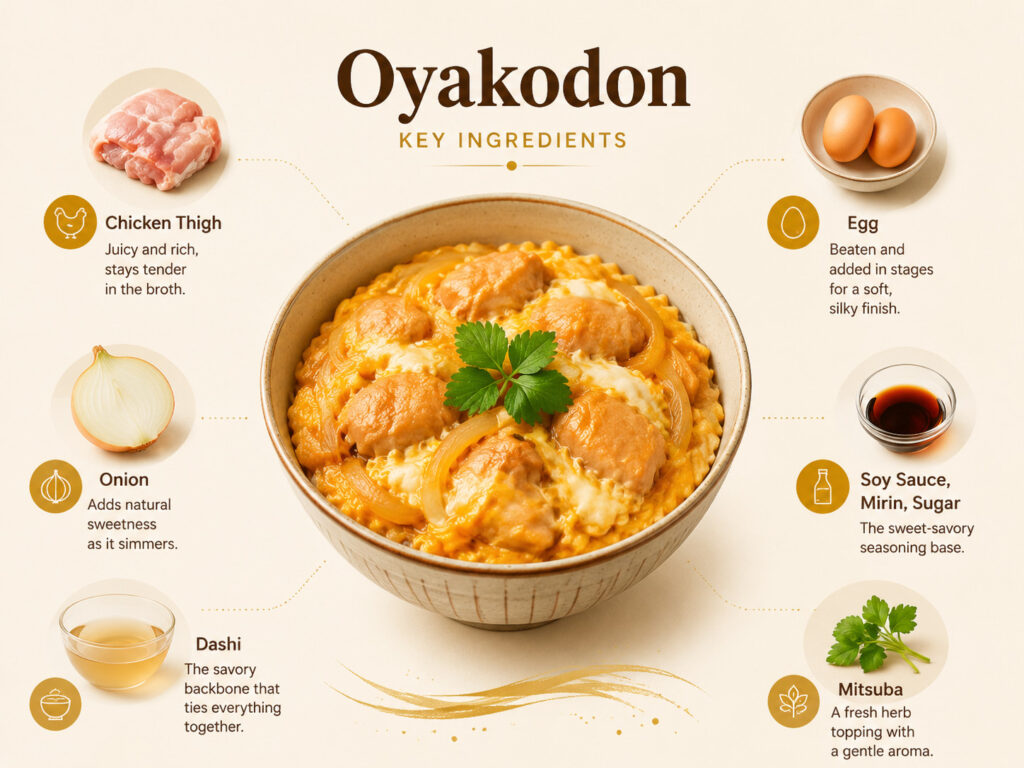
Oyakodon needs only a handful of ingredients. Each one plays a clear role.
- Chicken thigh: juicy and rich, it stays tender in the broth.
- Egg: beaten and added in stages for a soft, silky finish.
- Onion: adds natural sweetness as it simmers.
- Dashi: the savory backbone that ties everything together.
- Soy sauce, mirin, sugar: the sweet-savory seasoning base.
- Mitsuba: a fresh herb topping with a gentle aroma.
How to Make Oyakodon
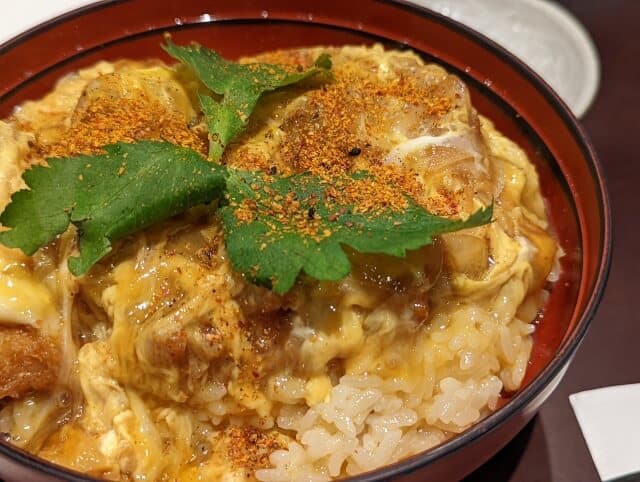
This easy oyakodon recipe serves two. A small frying pan works well, or a dedicated oyako-nabe if you have one. Try it for a quick lunch or dinner.
Ingredients for 2 Servings
| Ingredient | Amount |
|---|---|
| Chicken thigh, bite-size | 150 g |
| Onion, thinly sliced | 100 g |
| Eggs, lightly beaten | 3 |
| Dashi stock | 100 ml |
| Mitsuba, 2 cm pieces | a handful |
| Cooked rice | 2 bowls |
Steps
Season the chicken with a little soy sauce and sake. Slice the onion thinly. Beat the eggs lightly, keeping some streaks.
Add dashi and the seasoning to a pan over medium heat. When it boils, add the onion and chicken. Cover and simmer 2 to 3 minutes until cooked.
Pour in about two-thirds of the egg, swirling from center to edge. Let it set slightly. Then add the rest, scatter mitsuba, cover, and turn off the heat.
Rest for about 30 seconds so the egg stays soft. Slide the mixture over a bowl of warm rice. Serve right away.
Tips for Soft, Silky Egg
- Add egg in two stages: this keeps part of it soft and glossy.
- Do not overbeat: leave streaks of white and yolk.
- Stop early: turn off the heat while the egg still looks slightly loose.
- Let residual heat finish it: a short covered rest sets it gently.
Substitutions and Easy Swaps
- No mitsuba? Use green onion or a little parsley instead.
- No fresh dashi? A dashi packet or instant dashi works fine.
- Thigh vs breast: thigh is juicier; breast is leaner and milder.
Chicken thigh suits most tastes, since its fat keeps the meat moist. Chicken breast works too, with fewer calories and a lighter aroma. Choose the cut you prefer.
Oyakodon vs Gyudon vs Katsudon
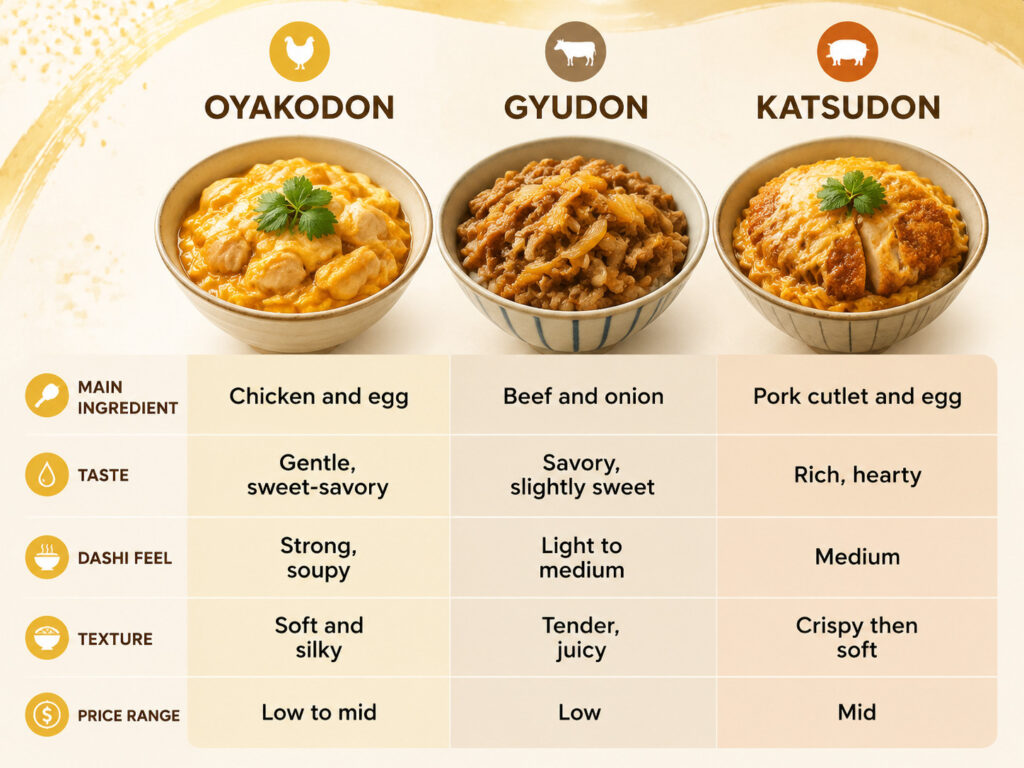
Donburi comes in many forms. These three are among the most loved. The table compares them at a glance.
| Oyakodon | Gyudon | Katsudon | |
|---|---|---|---|
| Main ingredient | Chicken and egg | Beef and onion | Pork cutlet and egg |
| Taste | Gentle, sweet-savory | Savory, slightly sweet | Rich, hearty |
| Dashi feel | Strong, soupy | Light to medium | Medium |
| Texture | Soft and silky | Tender, juicy | Crispy then soft |
| Price range | Low to mid | Low | Mid |
Related reading: our Japanese beef bowl gyudon guide and the wider Japanese rice dishes guide.
Regional Variations of Oyakodon
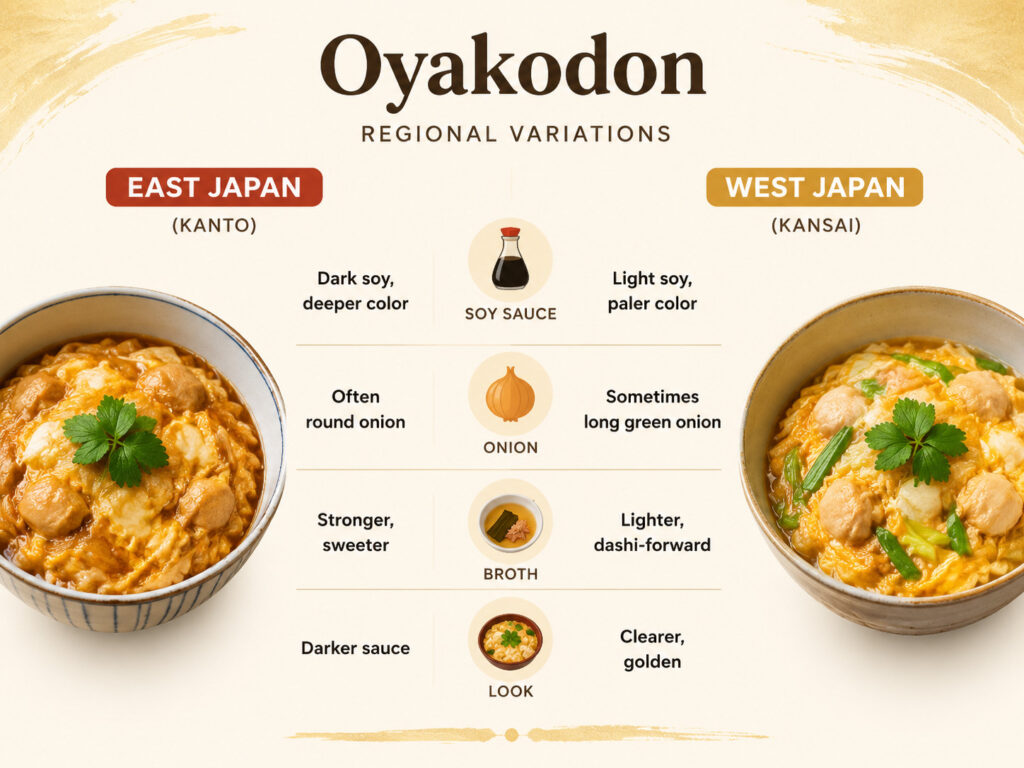
Oyakodon shifts a little between east and west Japan. The differences are subtle but real. The table below shows the main ones.
| East Japan (Kanto) | West Japan (Kansai) | |
|---|---|---|
| Soy sauce | Dark soy, deeper color | Light soy, paler color |
| Onion | Often round onion | Sometimes long green onion |
| Broth | Stronger, sweeter | Lighter, dashi-forward |
| Look | Darker sauce | Clearer, golden |
Why Japanese People Love Oyakodon
Oyakodon is everyday comfort food in Japan. It is cheap, quick, and deeply satisfying. Families cook it on busy weeknights, and shops serve it for fast lunches.
It also fits the heart of donburi culture: one bowl, balanced and warm. The soft egg and sweet broth feel nostalgic to many people. For lots of Japanese, it tastes like home.
Where to Eat Oyakodon
You can find great oyakodon across Japan. Tokyo has famous chicken specialty shops. Casual diners and chains serve it everywhere, often cheaply. Here are a few standout Tokyo spots.
Taizen (Shinjuku)
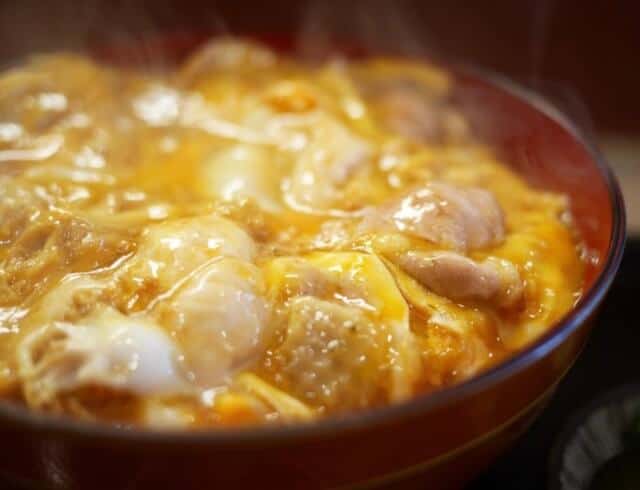
Taizen is a chicken specialty restaurant near Shinjuku Gyoen. It serves oyakodon for lunch on select weekdays only. The bowl uses crisp, umami-rich Hinai chicken and three eggs. The rice soaks up the broth beautifully.
- Area: Shinjuku, Tokyo.
- Known for: Hinai chicken and a tamago-kake-gohan style.
- Best for: a special lunch (it sells out fast).
Buncho (Kameido)
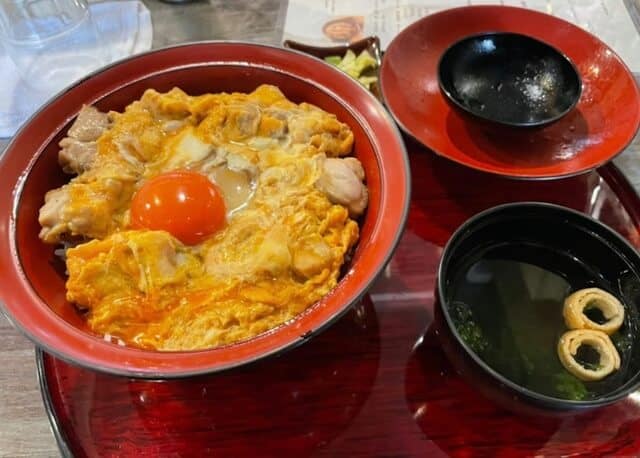
Buncho is a well-known oyakodon spot featured on TV. It uses juicy Oyama chicken and fresh Okayama eggs. The kitchen blends six kinds of dashi for depth. A Kyoto-style version with light soy and Kujo onion is also offered.
- Area: Kameido, Tokyo.
- Known for: rich, layered dashi.
- Best for: a refined oyakodon with sake.
Ningyocho Hana (Ningyocho)
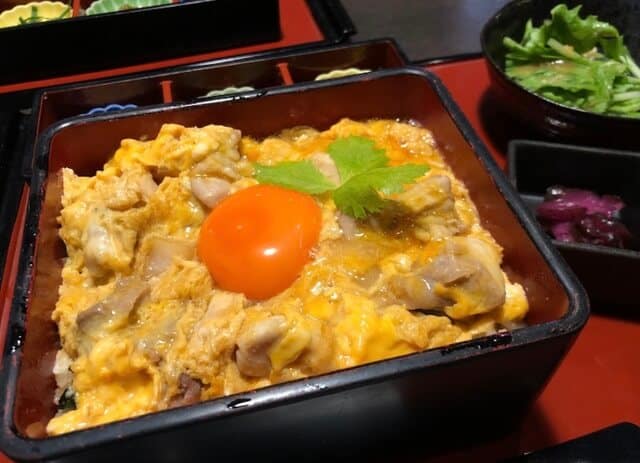
Ningyocho Hana is a popular shop open on Sundays. Its oyakodon uses Kagoshima satsuma red chicken. The bowl includes varied parts like thigh, neck, and heart. You can crack the yolk, add yuzu pepper, or finish it as ochazuke.
- Area: Ningyocho, Tokyo.
- Known for: satsuma red chicken and varied cuts.
- Best for: weekend dining and custom finishes.
Conclusion
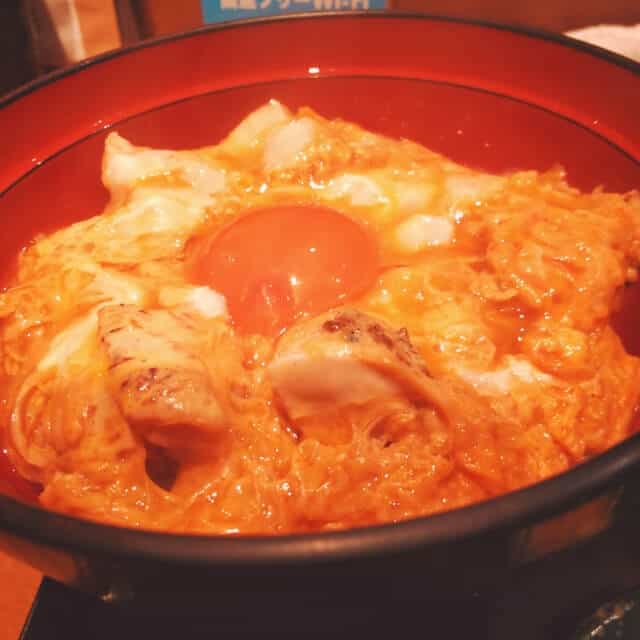
Oyakodon is a chicken-and-egg rice bowl simmered in a sweet-savory dashi sauce. It matters because it is honest, affordable comfort food, loved across Japan for over a century. Enjoy it fresh from a Tokyo specialty shop, or cook it at home in about 20 minutes.
So try oyakodon at home, then explore more Japanese rice dishes. If you like beef, read about gyudon next.
Oyakodon FAQ
What does oyakodon mean?
Oyakodon means “parent-and-child rice bowl.” The chicken is the parent, and the egg is the child. “Don” is short for donburi, a rice bowl. The playful name fits the chicken-and-egg pairing.
What is oyakodon made of?
It is made of chicken, egg, and onion over rice. Cooks simmer them in a dashi, soy sauce, mirin, and sugar broth. Mitsuba or nori often tops the bowl. The result is soft, sweet, and savory.
Is oyakodon sweet or savory?
It is both, in gentle balance. The broth blends sweet mirin and sugar with savory soy and dashi. The egg keeps it mild and soft. Overall, the taste is comforting rather than strong.
Can I make it without dashi?
Yes, though dashi adds key depth. You can use a dashi packet or instant dashi for ease. In a pinch, a light chicken stock works. The flavor will be a little different, but still good.
What is the difference between oyakodon and soboro don?
Both are chicken rice bowls, but the texture differs. Oyakodon uses sliced chicken and soft egg in broth. Soboro don uses dry, minced chicken instead. Shops created soboro don as a leak-proof takeout version.
Should I use chicken thigh or breast?
Thigh is the popular choice for its juicy texture. Its fat keeps the meat moist and aromatic. Breast is leaner and milder, with fewer calories. Pick the cut that suits your taste.
Can vegetarians eat oyakodon?
The classic dish uses chicken and egg, so it is not vegetarian. Some shops offer versions with tofu or vegetables. At home, you can swap in tofu and use kombu dashi. Ask the restaurant about the broth too.
Where can I try oyakodon in Japan?
You can find it almost everywhere, from diners to chains. Chicken specialty shops serve premium versions. In Tokyo, try spots like Taizen, Buncho, or Ningyocho Hana. Soba and udon shops also offer it.
References
- MAFF, Uchino Kyodo-ryori (Oyakodon, Tokyo), https://www.maff.go.jp/j/keikaku/syokubunka/k_ryouri/ (Surveyed: June 2026)
- Tamahide, Official Site, https://www.tamahide.co.jp/ (Surveyed: June 2026)
- Kikkoman, Oyakodon Recipe, https://www.kikkoman.com/en/cookbook/ (Surveyed: June 2026)
Related Articles
- Gyudon (牛丼) (Surveyed: June 2026)
- Katsu Don (カツ丼) (Surveyed: June 2026)
- Unadon (うな丼) (Surveyed: June 2026)
- Japanese Rice Dishes Guide (Surveyed: June 2026)



Comments