




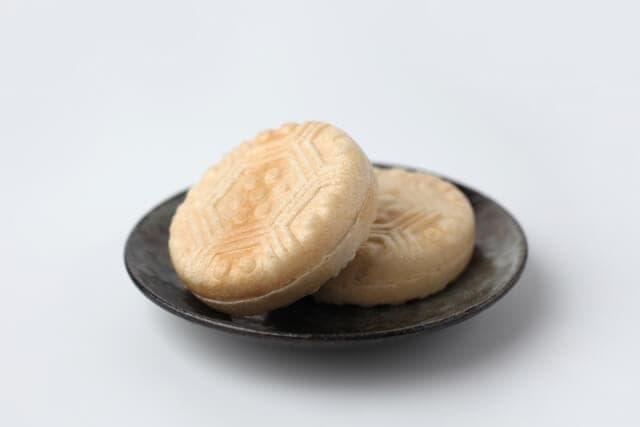
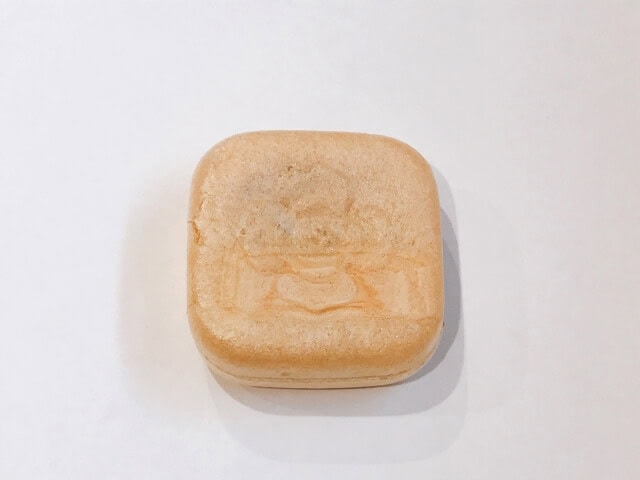
Monaka is a traditional Japanese wafer sandwich. Two crisp, airy shells hug a smooth core of sweet red bean paste. This delicacy is a staple of wagashi, the art of Japanese confectionery. Diners instantly notice the delicate crunch and the gentle, toasty fragrance. It feels light, never heavy. Many travellers encounter this treat during tea breaks, and it often comes in shapes that mirror nature.
What is Monaka?
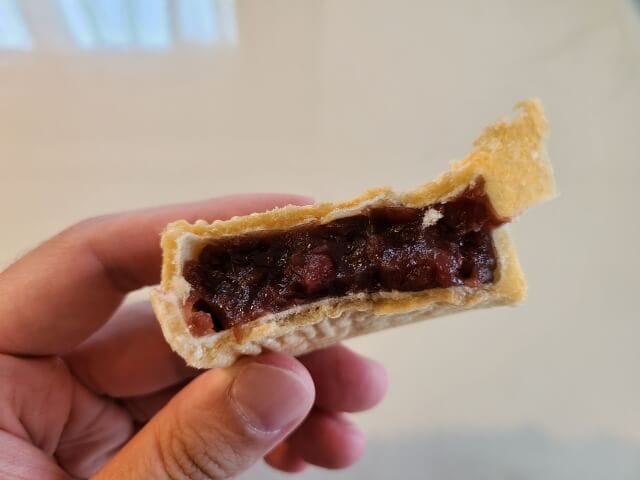
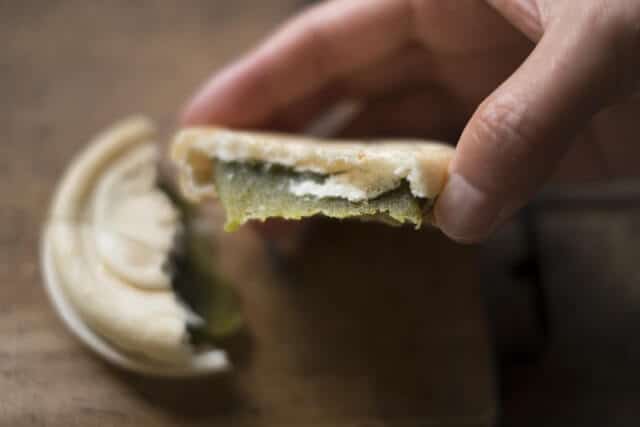
Imagine a crispy rice wafer shell that shatters with a single bite. Inside waits a generous layer of anko, a sweet paste of azuki beans. The wafer itself comes from glutinous rice flour. It bakes in special iron moulds until it turns thin, golden, and dry. This is never soft or chewy. Instead, the shell delivers a satisfying snap. Some call it a Japanese wafer sandwich because the textures live side by side. The crispy outer layer and the smooth heart create a true seasonal moment.
How It’s Made
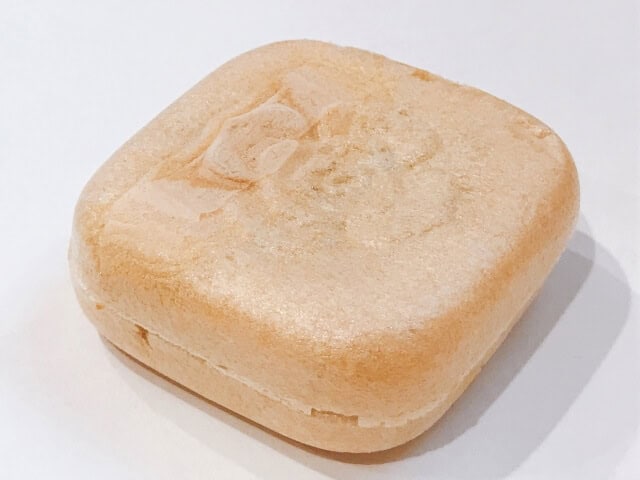
The shell starts with glutinous rice flour and water. Skilled hands toast the thin batter in decorated moulds. This creates a wafer that smells faintly of roasted rice. The classic filling is anko, but modern kitchens also use white bean paste, chestnut purée, or matcha cream. Every ingredient comes from plants, so this sweet is naturally vegan. The secret lies in assembling the two parts only when the wafer is cool and crisp. Any moisture softens the shell, so timing matters.
Taste and Texture
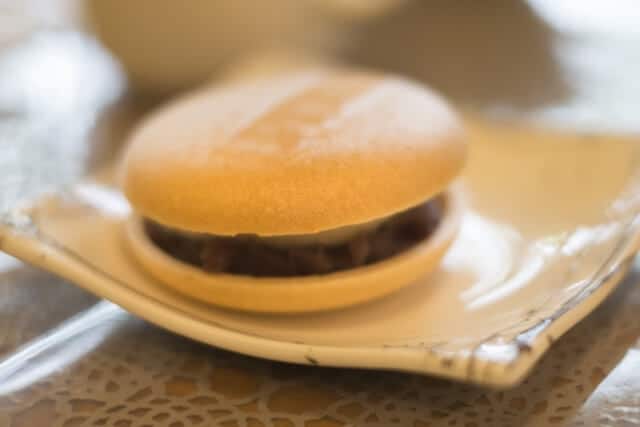
The first thing you feel is the crunch. It is incredibly light, almost hollow. A toasty, rice-like scent rises right after. Then the bean paste spreads across your tongue. It tastes mildly sweet, earthy, and wonderfully balanced. Some people compare the experience to an ice cream cone. The cone holds a richer, more sentimental filling. That contrast makes the dessert unforgettable. Each bite stays crisp until the very end, thanks to the dry shell. The sweetness never overpowers. It respects the natural flavour of the beans.
Traditional Shapes and Types
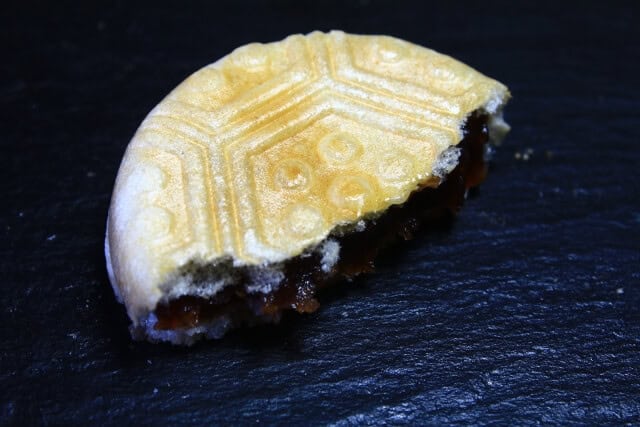
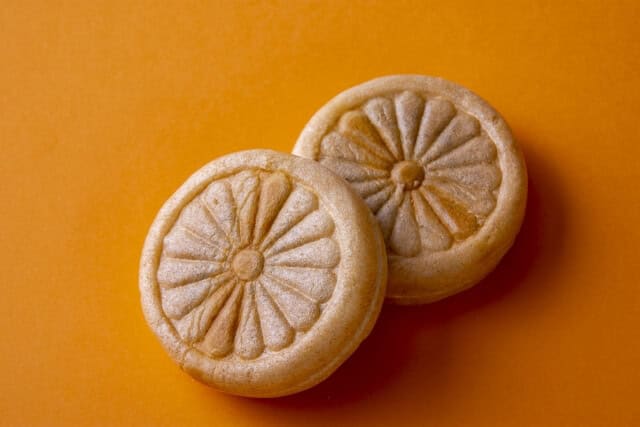
Many of these sweets double as tiny artworks. Cherry blossoms appear in spring. Autumn leaves arrive in fall. Artisans press the wafer into symbols of good fortune or seasonal flowers. Regional specialties add even more personality. The Seppuku variety from Tokyo carries a tiny hachimaki headband design. The Onigawara version mimics a demon roof tile. No two shops shape them the same way. This visual charm makes them a popular gift. The elegant appearance draws just as much admiration as the taste.
Ganso Oyster Shape
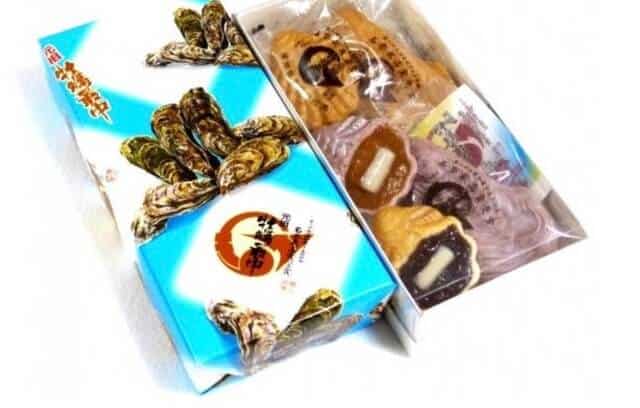
This version mimics a real oyster shell. Small and large sizes hold sweet bean paste inside a crisp wafer.
Suzuka Rider
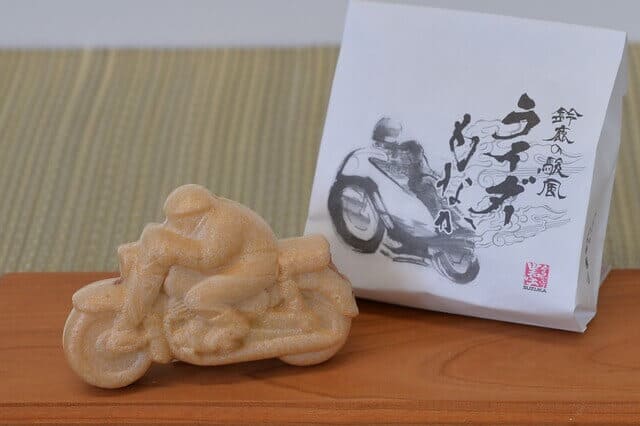
Toraya Katsuki’s creation captures a racing motorcycle. It is a playful specialty of Suzuka, home to a famous circuit.
Turban Shell
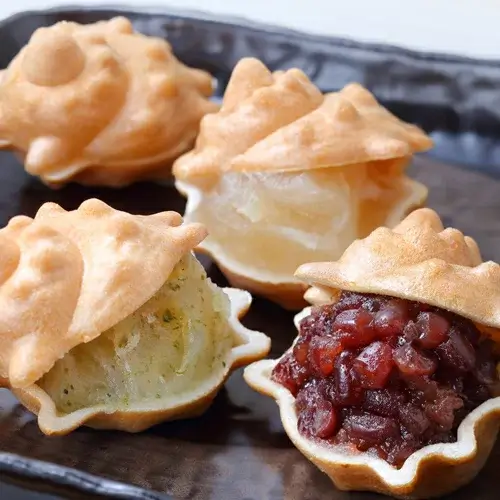
Seieido’s turban shell sweet celebrates a local delicacy from Minamiboso. The design reflects the coastal character of Japan.
History
This treat appeared in the Edo period. Court nobles once enjoyed simple round rice wafers during moon‑viewing banquets. The name “monaka” actually comes from “monaka no tsuki,” meaning the moon in the middle. Later, in the Meiji era, metal moulds became more advanced. Confectioners began filling the wafers with bean paste. Today’s version still carries that elegant, centuries‑old heritage. The shape and form have evolved, but the soul remains unchanged.
How It Compares to Other Wagashi
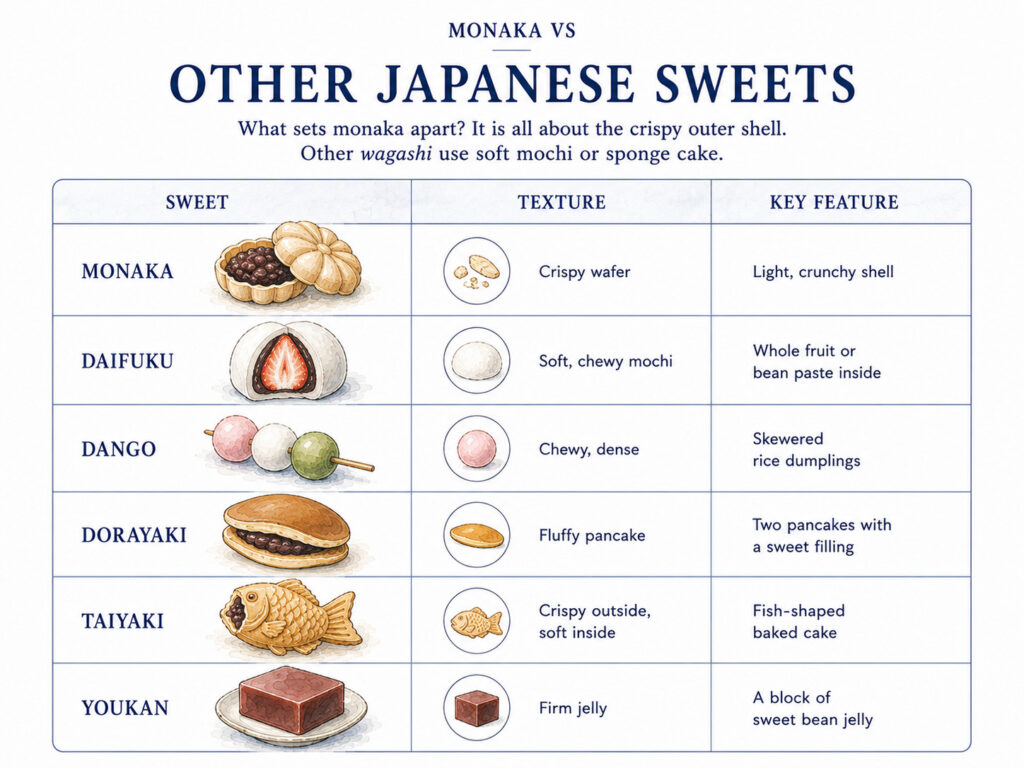
The key difference sits in the texture. This sweet is the only one with a dry, crispy wafer shell. Other wagashi lean toward softness or chewiness. The table below highlights those contrasts.
| Sweet | Texture | Key Feature |
|---|---|---|
| Monaka | Crispy wafer | Light, crunchy shell |
| Daifuku | Soft, chewy mochi | Whole fruit or bean paste inside |
| Dango | Chewy, dense | Skewered rice dumplings |
| Dorayaki | Fluffy pancake | Two pancakes with a sweet filling |
| Taiyaki | Crispy outside, soft inside | Fish-shaped baked cake |
| Youkan | Firm jelly | A block of sweet bean jelly |
Modern Twists on a Classic
The wafer sandwich has outgrown its bean‑paste origins. Ice cream versions now fill the crispy shell with matcha or vanilla. Some chefs turn it into an edible soup bowl. High‑end restaurants even pair foie gras with the toasty wafer. Sweet variations include lemon zest, melon cream, and puffed chocolate. This flexibility keeps the old treat exciting. Every new filling respects the crisp texture while adding a modern surprise.
A Traveler’s Perfect Souvenir
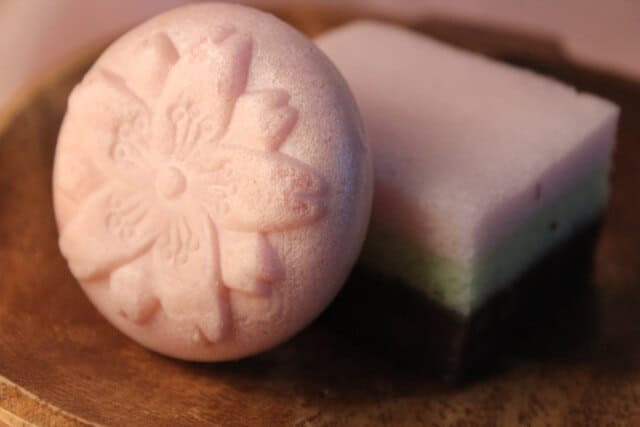
This sweet makes an ideal gift from Japan. The dry wafer and bean paste keep well without refrigeration. That long shelf life helps travellers bring a taste of Kyoto or Tokyo home. The designs often feature seasonal motifs, cherry blossoms, maple leaves, or even zodiac animals. Each piece looks beautiful in a gift box. Light and portable, the treat carries the spirit of a tea ceremony. Seasoned visitors often seek out local versions as edible memories. No two regions create the same shape, which turns souvenir hunting into a delicious adventure.
Where to Find It in Japan
Shinseido (御菓子司 新正堂)
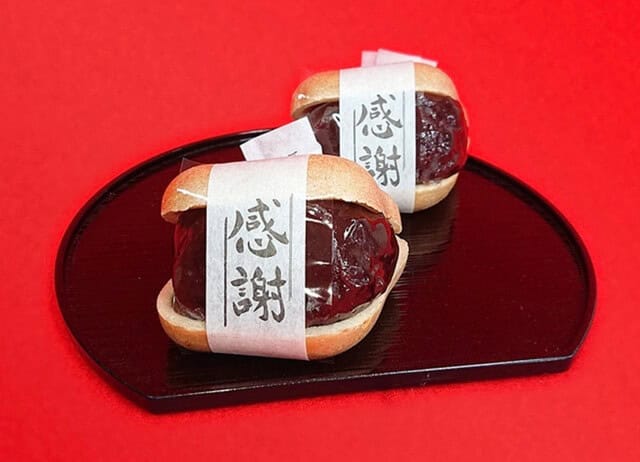
Shinseido is famous for its Seppuku variety. They use high‑purity sugar to keep the sweetness bright and clean. The wafer wears a tiny hachimaki headband. A “thank you belt” version also exists. Every piece whispers a story of Chushingura.
Kuya (空也)
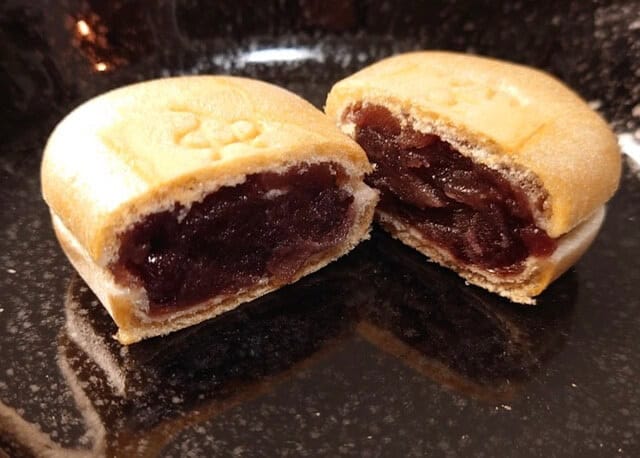
Kuya’s creation has a beautifully charred crust. Inside lies homemade mashed azuki bean paste. The shop uses no additives. The gourd shape honours a revered monk, Kuya Shonin. Many cultural figures adore this Ginza treasure.
Shiromatsu (白松がモナカ本舗)
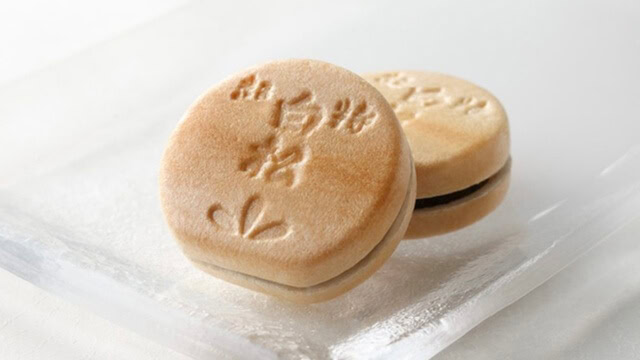
Shiromatsu ga Monaka Honpo was founded in 1932 as a specialty shop in Sendai. The company grows its own glutinous rice for the wafers. Bean paste travels from Hokkaido. Expect a fine texture, light snap, and deep sweetness. Sizes range from mini to extra‑large.
Frequently Asked Questions
What is monaka?
It is a crispy Japanese confection made of two toasted rice wafers with sweet bean paste inside. The treat belongs to the wagashi family and often pairs with green tea.
What is monaka made of?
The shell uses glutinous rice flour baked until crisp. The classic filling is anko, a sweet paste of azuki beans. Modern versions add chestnut, matcha cream, or white bean paste.
Is monaka mochi?
No. The crisp wafer shell differs completely from soft mochi. Mochi is pounded and chewy, whereas these wafers are baked until dry and brittle.
What does monaka taste like?
You get a light, airy crunch followed by a gentle sweetness. The wafer smells faintly of toasted rice. The bean paste tastes smooth and earthy, never overpowering.
How do you eat monaka?
Simply pick it up with your hands. Pair it with hot green tea for a classic tea‑time moment. Some people dip the edge briefly into tea, but there are no strict rules.
Is monaka healthy?
It is low in fat because the filling uses beans, not butter or cream. It still contains sugar, so enjoy it in moderation. A typical piece has about 100–150 calories and provides fibre and iron from the azuki beans.
Can I make monaka at home?
Yes. You can buy pre‑baked wafers and canned sweet bean paste at Japanese grocery stores. Fill the shells just before serving to keep them crisp.
Where can I buy monaka in Japan?
These treats are sold at department store food halls, specialty wagashi shops, and convenience stores. Famous stores like Shinseido in Tokyo and Shiromatsu in Sendai are excellent choices.
What is the difference between monaka and daifuku?
The outer texture sets them apart. This treat uses a crisp wafer shell, while daifuku relies on soft, chewy mochi. One is light and crunchy, the other plump and elastic.
References
- Japanese Food Guide – Monaka Calories and Nutrition, https://www.japanesefoodguide.com/monaka/ (2025, nutritional data per 100g and per piece)
- Japan Confectionery Association – Wagashi History, https://www.wagashi.or.jp/en/ (2025)



Comments