





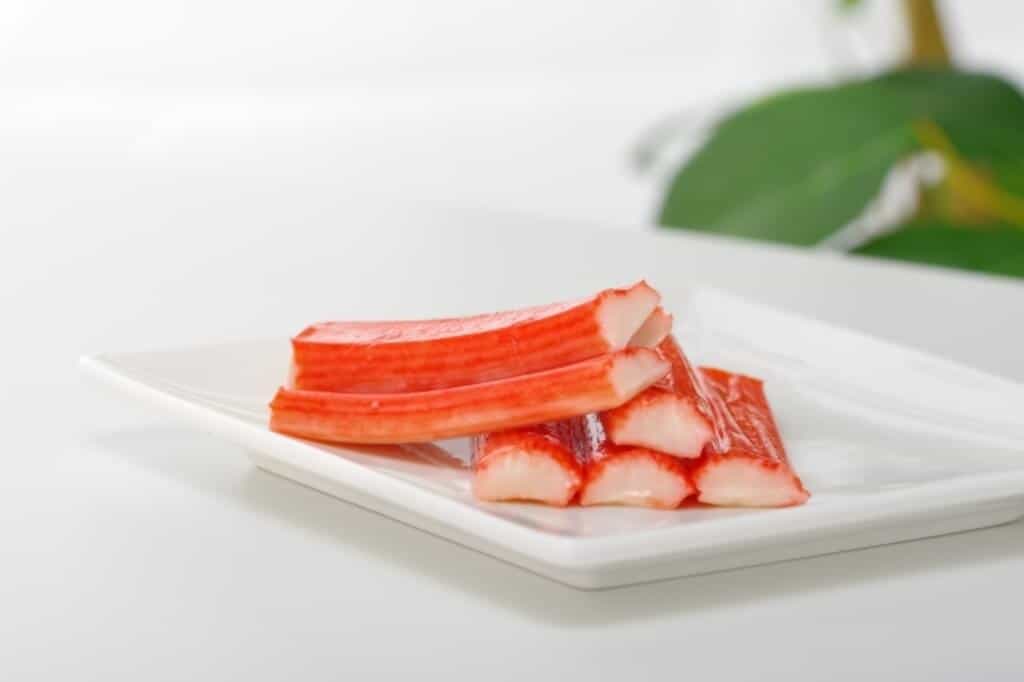
Kanikama is Japanese imitation crab made from surimi, a paste of minced white fish. Contrary to what the name might suggest, it contains no actual crab. Even so, it looks, tastes, and pulls apart almost exactly like real crab meat. That is precisely the point, and it works surprisingly well.
In Japan, you will find it in sushi rolls, salads, bento boxes, and convenience store snacks. Furthermore, it is one of the most affordable and versatile proteins in Japanese cooking. Once you understand what kanikama actually is, you start noticing it everywhere. To explore more staple ingredients like this, browse our Japan Food Guide.
What Is Kanikama?
The full name is kani kamaboko, a type of kamaboko (Japanese fishcake) shaped and flavored to mimic crab. Producers color it with a distinctive white interior and orange-red exterior to resemble crab leg meat. Additionally, it comes in stick, log, or flake form depending on its intended use.
In Japan, people write it as カニカマ in katakana. Other names include kani stick, crab stick, seafood stick, and surimi crab stick. Outside Japan, most people encounter it in California rolls and supermarket seafood salads. Interestingly, what many do not realize is that the product was invented in Japan and remains most refined there.
What Is Kanikama Made Of?
The main ingredient is surimi, a paste of minced white-fleshed fish. Alaska pollock is the most common choice, valued for its neutral taste, lack of strong smell, and firm texture that absorbs seasoning well. Some producers also use threadfin bream or lizardfish depending on availability.
Manufacturers combine the surimi with starch, egg white, salt, and crab extract. That crab extract is what creates the flavor profile. As for appearance, food coloring gives the exterior its orange-red hue. Crucially, no actual crab meat enters the process at any point.
This distinction matters for people managing allergies. Kanikama contains fish and egg, not shellfish crab. However, crab extract is present, so anyone with crab sensitivities should check product labels carefully before eating.
How Kanikama Is Made
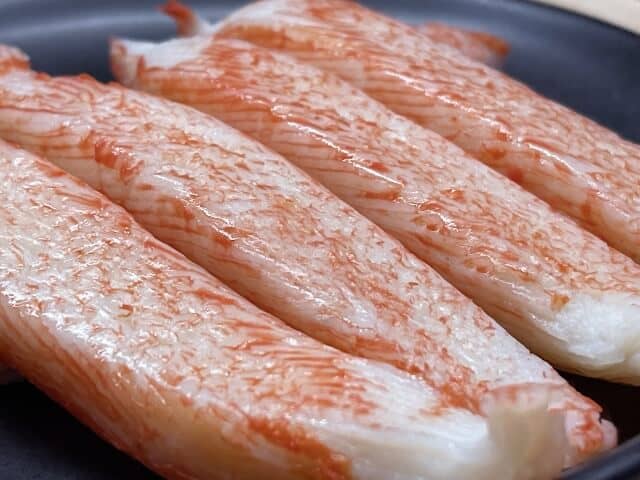
Production begins with grinding white fish into a smooth paste. Next, processors rinse the paste repeatedly to strip out fat and any residual odor. As a result, surimi develops its clean, neutral base flavor that takes on seasoning so effectively.
After rinsing, the surimi mixes with starch, salt, egg white, and flavoring. Manufacturers then spread the mixture thin, cook it on a drum, and layer or roll it to build the fibrous texture that mimics crab leg meat. Finally, a thin coat of food coloring finishes the exterior. Producing kanikama at consistent quality requires precision and scale, which is why factory production outperforms any home attempt.
What Does Kanikama Taste Like?
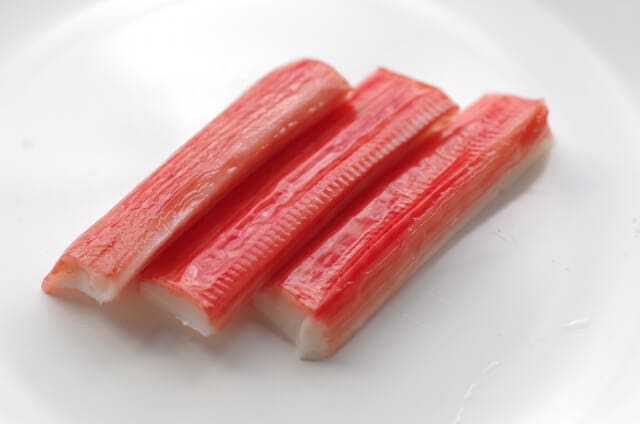
The flavor is mild, slightly sweet, and gently briny. In comparison, real crab has more depth and complexity. Still, kanikama is immediately recognizable as crab-like and clean on the palate, which is exactly what most dishes call for.
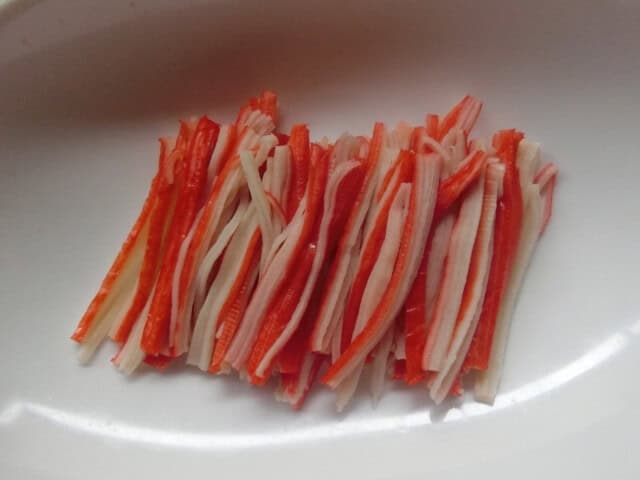
Texture matters just as much as flavor here. Good kanikama pulls apart in thin strands, just like crab leg meat. Budget products, by contrast, can feel dense or rubbery. Premium Japanese brands achieve a flaky, delicate quality that genuinely surprises people who write imitation crab off as inferior.
Eaten cold, kanikama tastes refreshing and light. Warmed in a dish, the flavor deepens a little. Either way, it absorbs surrounding sauces readily, which makes it adaptable across very different recipes.
Kanikama vs Real Crab: An Honest Comparison
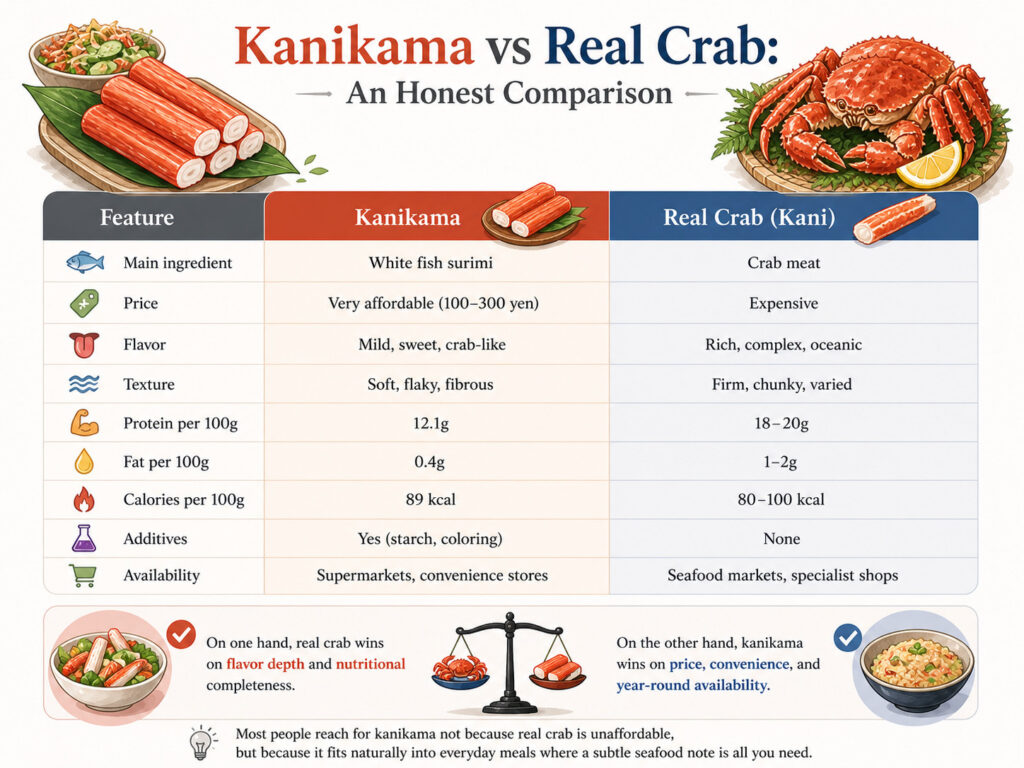
| Feature | Kanikama | Real Crab (Kani) |
|---|---|---|
| Main ingredient | White fish surimi | Crab meat |
| Price | Very affordable (100–300 yen) | Expensive |
| Flavor | Mild, sweet, crab-like | Rich, complex, oceanic |
| Texture | Soft, flaky, fibrous | Firm, chunky, varied |
| Protein per 100g | 12.1g | 18–20g |
| Fat per 100g | 0.4g | 1–2g |
| Calories per 100g | 89 kcal | 80–100 kcal |
| Additives | Yes (starch, coloring) | None |
| Availability | Supermarkets, convenience stores | Seafood markets, specialist shops |
On one hand, real crab wins on flavor depth and nutritional completeness. On the other hand, kanikama wins on price, convenience, and year-round availability. Most people reach for kanikama not because real crab is unaffordable, but because it fits naturally into everyday meals where a subtle seafood note is all you need.
How Kanikama Is Used in Japanese Food
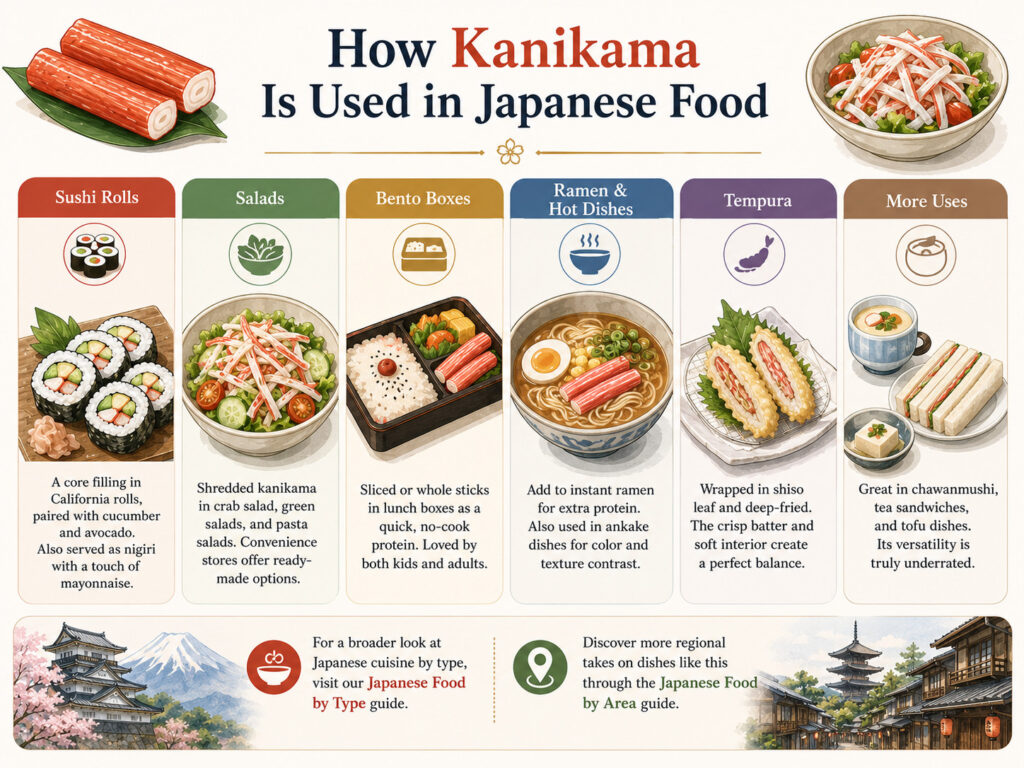
To begin with, the applications are wider than most people expect. Kanikama appears across the full range of Japanese cooking, from street-level convenience food to restaurant dishes. For a broader look at Japanese cuisine by type, visit our Japanese Food by Type guide.
Sushi rolls: Kanikama is a core filling in California rolls, paired with cucumber and avocado. Its mild flavor complements rather than competes with the seasoned rice and nori. Many kaiten-zushi chains also serve it as individual nigiri with a thin squeeze of mayonnaise on top.
Salads: Shredded kanikama features in crab salad, mixed green salads, and pasta salads year-round. Japanese convenience stores sell ready-made kanikama salads that need no preparation. The flaky texture blends naturally into dressed dishes without falling apart.
Bento boxes: Sliced or whole sticks appear in lunch boxes as a quick, no-cook protein. Children and adults both eat it cold straight from the pack.
Ramen and hot dishes: Adding a stick or two to instant ramen is a fast way to boost protein content. Ankake dishes, where ingredients sit in a thickened starchy sauce, often use kanikama for color and texture contrast.
Tempura: Some restaurants wrap kanikama in shiso leaf and deep-fry it. The crisp batter against the soft interior is a combination worth seeking out.
Kanikama also works well in chawanmushi (steamed egg custard), tea sandwiches, and tofu dishes. Its versatility is one of its most underrated qualities. You can discover more regional takes on dishes like this through the Japanese Food by Area guide.
The History of Kanikama
Kanikama was invented in Japan in 1972. The company responsible was Sugiyo, a seafood processor in Nanao City, Ishikawa Prefecture. Their third president, Yoshihito Sugino, was researching artificial jellyfish made from alginic acid extracted from kelp. During that work, he discovered that thinly sliced, colored kamaboko had a texture remarkably similar to crab leg meat.
Sugiyo launched their first product, “Delicious Kamaboko Kani Ashi,” that same year. As the first commercially sold crab-flavored kamaboko in Japan, it spread quickly through supermarkets and food service. By the 1980s, moreover, manufacturers in other countries had developed their own versions. Today, global production runs into hundreds of thousands of tonnes annually.
Even so, Japanese kanikama remains the benchmark for quality worldwide. Buyers in the Middle East, Europe, and North America specifically seek out Japanese-made products for their superior texture and flavor fidelity to real crab.
Nutrition and Health: The Balanced Picture
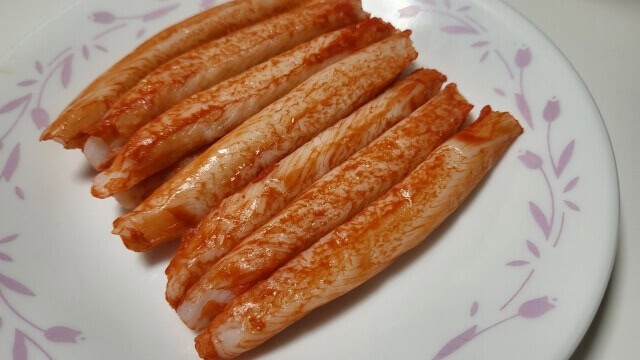
Kanikama has genuine nutritional strengths. Per 100 grams, it provides 12.1 grams of protein, 0.4 grams of fat, and just 89 calories. It also contains calcium. For a ready-to-eat, no-cook food, those numbers hold up well.
Research indicates that daily consumption of minced Alaska pollock, around 4.5 grams per day over three months, increased lower-body muscle mass by 1.5 percent in adults aged 65 and over. The base fish in kanikama carries meaningful protein quality, not just quantity.
The drawbacks are worth knowing. Kanikama contains food additives including starch, artificial coloring, and flavor enhancers. Sodium content can be moderately high depending on the brand. Real crab surpasses it on omega-3s and overall micronutrient density. Kanikama works best as a convenient everyday protein source rather than a nutritional centerpiece.
How to Store Kanikama
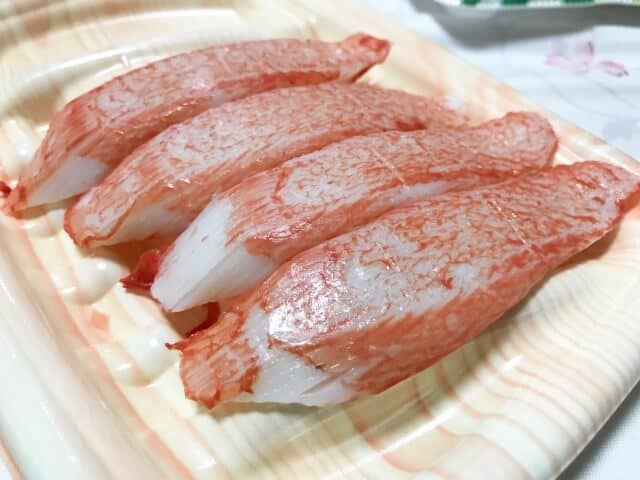
Vacuum-sealed, pasteurized kanikama stays fresh in the refrigerator for up to two months. After opening the pack, finish it within three days. Freezing extends shelf life to around six months, though the texture softens slightly after thawing. Frozen kanikama suits cooked dishes better than fresh salads.
Kanikama Recipe: Zucchini and Kanikama Salad
Ingredients (1 serving)
| Ingredient | Amount |
|---|---|
| Zucchini | 30g |
| String cheese | 25g |
| Kanikama | 25g |
| Olive oil | 7g |
Steps
Remove the zucchini stem, slice diagonally, then cut into thin strips. Pull the string cheese and kanikama apart into loose strands by hand. Keeping them rough gives a better texture in the finished dish.
Place the zucchini in a heat-resistant bowl, add the olive oil, and mix. Cover loosely with plastic wrap and microwave at 500 watts for 1 minute 30 seconds until soft and translucent.
Toss the warm zucchini with the kanikama and string cheese. Serve immediately. The warmth softens the cheese slightly and brings the whole dish together in a way that cold assembly simply does not.
Recommended Kanikama Products
Kanikama is available at most Japanese supermarkets and convenience stores. These three brands consistently stand out for quality and texture.
Sugiyo Kanichaimase 6-Pack
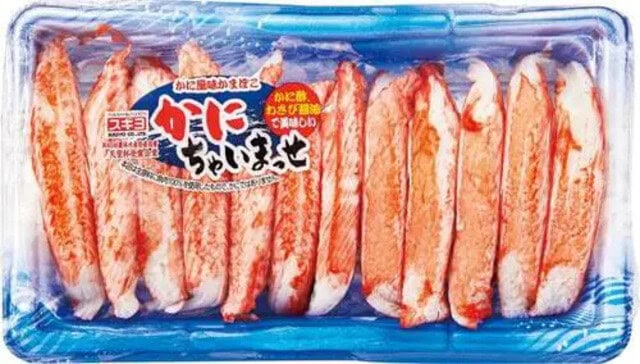
Sugiyo is the original kanikama company. Their Kanichaimase product reflects what made the 1972 invention special: strands that pull apart realistically and a flavor that genuinely resembles crab without being overpowering. A good benchmark for anyone comparing brands for the first time.
Osaki Suisan Marine Fresh
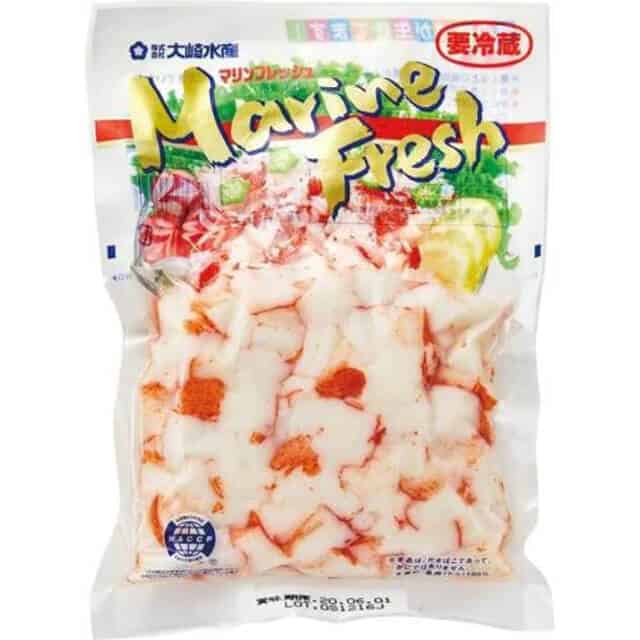
This product has a noticeably crab-like aroma straight from the package. Fine, thread-like strands spread across the mouth as you chew. No cutting or shredding needed, which makes it particularly convenient for salads and quick assembly dishes.
Kanetetsu Delica Foods “Hobo Kani” Snow Crab Flavor
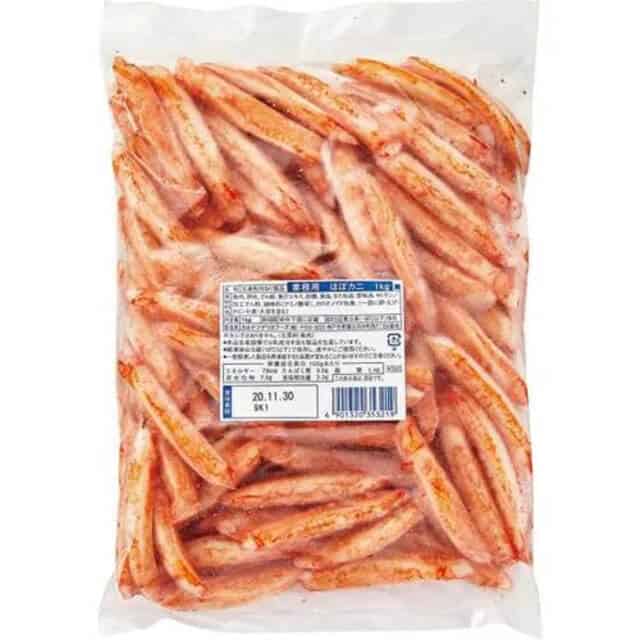
This commercial-grade option includes chitosan, a dietary fiber derived from crab shells. Dense, short fibers release umami with each bite in a way that resembles snow crab flake more closely than most imitation products. A strong choice for hot dishes and nabe.
Where to Eat Kanikama in Japan
Kita no Kazoku, Shinjuku (北の家族 新宿店)
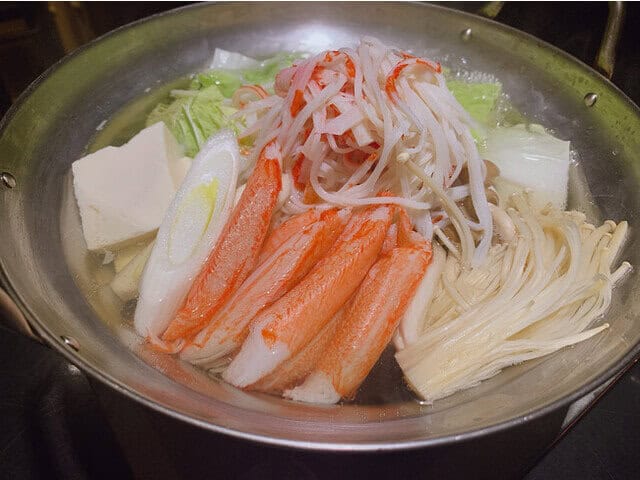
Operating for over 40 years, this authentic izakaya runs a winter all-you-can-eat crab sukiyaki hot pot course at 1,280 yen per person for 60 minutes. Unlimited kanikama, vegetables, and soup stock make it excellent value. Ingredients come primarily from Hokkaido and Tohoku.
Final Thoughts
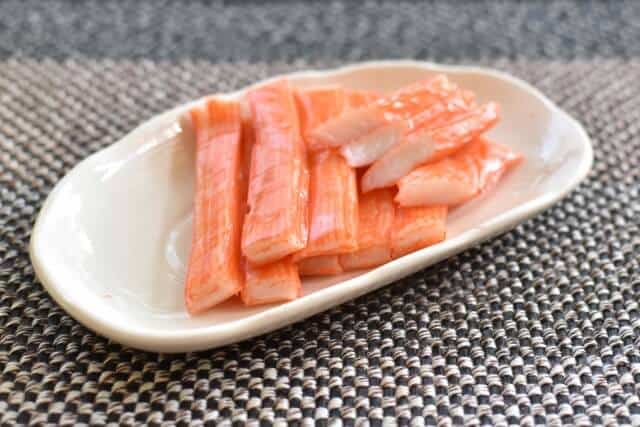
Kanikama gets misunderstood more than almost any other Japanese food. Some people assume it is fake or low-quality. Others do not realize it contains no crab at all. Both assumptions miss the point. It is an honest, skillfully made surimi product that fills a very specific role in Japanese daily cooking: affordable, protein-rich, ready to eat, and mild enough to work in almost anything.
Whether you add it to a California roll, toss it into a salad, or drop a stick into your instant ramen, kanikama earns its place. It is not trying to fool anyone. It is just a genuinely useful ingredient with a 50-year history behind it.
Interested in related Japanese fishcake products? Read about Kamaboko, Mosaebi, and Hanpen. For the full picture of Japanese seafood dishes, our dedicated guide covers everything from sashimi to grilled fish.
Kanikama FAQ
What is kanikama made of?
Kanikama is made from surimi, a paste of minced white fish, most commonly Alaska pollock. Starch, egg white, salt, and crab extract are added for texture and flavor. Food coloring creates the familiar orange-red exterior. No actual crab meat is used at any stage.
Is kanikama real crab?
No. Kanikama is imitation crab made entirely from white fish paste. The crab-like flavor comes from crab extract added during manufacturing. The appearance and texture mimic crab leg meat by design, but the ingredient list contains no crab.
Is kanikama healthy?
Kanikama is a low-fat, low-calorie protein source at 12.1g of protein and 89 kcal per 100g. The trade-off is that it contains food additives and is less nutrient-dense than real crab. As a convenient everyday protein it performs well, but it does not replace whole seafood nutritionally.
Why is kanikama so cheap?
White fish surimi is far more abundant and easier to harvest than crab. Processing is efficient and scalable, and supply is not limited by season. All of this keeps production costs low, which is why kanikama sells for a fraction of real crab prices.
What does kanikama taste like?
The taste is mild, slightly sweet, and gently briny. It is softer and less complex than real crab but cleanly recognizable as crab-like. The texture pulls apart in fibrous strands similar to crab leg meat. Premium Japanese brands achieve a flakiness that genuinely impresses first-time tasters.
Can people with shellfish allergies eat kanikama?
Kanikama contains fish rather than shellfish, so many people with shellfish allergies can eat it. However, crab extract is present in the ingredients, which may trigger reactions in those with specific crab sensitivities. Always read product labels and consult a doctor if in doubt.
Is kanikama suitable for vegetarians or vegans?
No. Kanikama contains minced fish and egg whites. Both vegetarians and vegans cannot eat it. Some plant-based alternatives use konjac or tofu to approximate a similar texture, but these are entirely separate products.
Where was kanikama invented?
Kanikama was invented in 1972 by Sugiyo Co., Ltd. in Nanao City, Ishikawa Prefecture, Japan. The discovery came during research into artificial jellyfish. Thinly sliced, colored kamaboko turned out to have a texture very close to crab leg meat, leading directly to the first commercial product.
What is the difference between kanikama and kani?
Kani means real crab in Japanese. Kanikama is imitation crab made from fish paste. Real kani has a richer, more complex oceanic flavor and firmer texture. Prices differ significantly. Kanikama offers a convenient, affordable alternative for everyday meals where real crab would be impractical.
Where can I eat kanikama in Japan?
Every supermarket and convenience store in Japan stocks kanikama, usually for 100 to 300 yen per pack. Conveyor-belt sushi restaurants serve it in rolls and as nigiri. Izakayas include it in hot pot and appetizer menus. It is one of the most widely available proteins in the country.
Is kanikama popular outside Japan?
Very much so. Kanikama appears in sushi restaurants across North America, Europe, and Asia, most visibly as a California roll filling. Japanese-made products are specifically sought out in the Middle East and Europe for their superior quality. Global interest continues to grow alongside wider awareness of Japanese cuisine.
References
Sugiyo Co., Ltd. – Company History and Product Origins | https://www.sugiyo.co.jp/en/ (first kanikama product launched 1972)
Ministry of Agriculture, Forestry and Fisheries of Japan – Fishery Processing Statistics | https://www.maff.go.jp/j/tokei/kouhyou/kaimen_gyosei/ (data: 2023)



Comments