



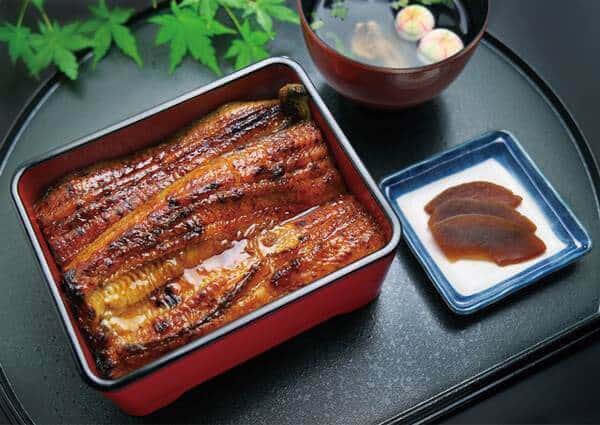
Unaju is a Japanese grilled eel rice bowl served in an elegant lacquered box. Glossy unagi kabayaki sits over steamed rice, soaked in a sweet soy-based sauce. It looks beautiful. It tastes even better. If you have ever wondered what makes this dish so special, or how it differs from unadon, this guide covers everything.
What Is Unaju?
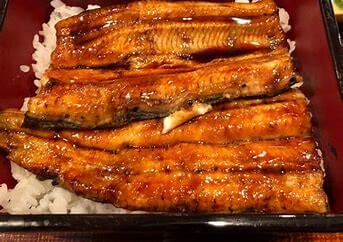
Unaju (うな重) combines two Japanese words: unagi (eel) and jubako (a square lacquered box). Chefs place grilled eel, known as unagi kabayaki, over a bed of steamed white rice inside that box. The tare sauce, a rich blend of soy sauce, mirin, and sugar, coats every piece. It is a high-protein meal with deep, satisfying flavor. Many visitors to Japan consider it the most memorable dish they eat here.
Shizuoka Prefecture, and Hamamatsu city in particular, is one of the best places to try unaju. Lake Hamana there was the first lake in Japan to succeed in eel aquaculture. Several specialty restaurants in Hamamatsu have been grilling eel for over a century. That is not a coincidence. The region built its reputation on quality unagi, and it shows in every bite.
Unaju vs Unadon: What Is the Difference?
This is the question most people ask first. The answer is simpler than you might expect. Unadon comes in a ceramic bowl. Unaju comes in a lacquered jubako box. That is the only container difference. But that difference matters more than it seems.
The jubako box signals a more formal, elevated meal. Restaurants tend to serve a larger portion of eel in unaju, roughly 1.5 times more than unadon on average. Because the box looks sparse with a small amount of eel, the portion naturally grew over time. The eel quality is the same. The experience, however, feels noticeably more special.
Unadon appeared first, during Japan’s late Edo period. Unaju followed in the Meiji era. The lacquered box was introduced partly to keep deliveries warm. A practical origin, really, for something that now feels quite luxurious.
So which should you order? If you want a casual, satisfying meal, unadon works perfectly. If you want the full, celebratory unagi experience, unaju is the right choice.
Why Is Unaju Expensive?
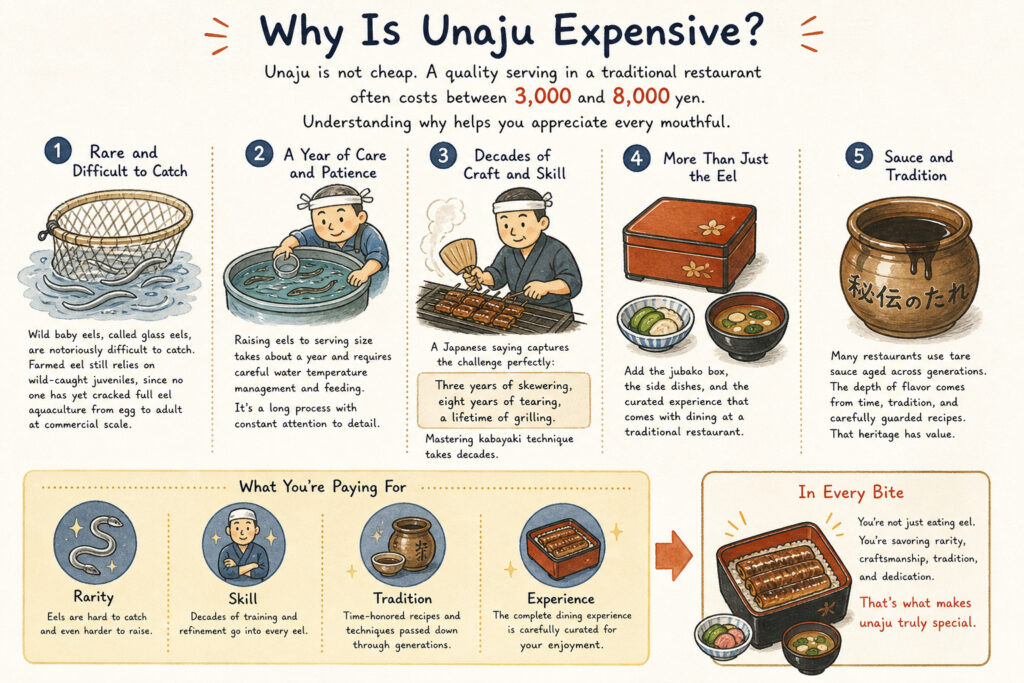
Unaju is not cheap. A quality serving in a traditional restaurant often costs between 3,000 and 8,000 yen. Understanding why helps you appreciate every mouthful.
Wild baby eels, called glass eels, are notoriously difficult to catch. Farmed eel still relies on wild-caught juveniles, since no one has yet cracked full eel aquaculture from egg to adult at commercial scale. Raising them to serving size takes about a year and requires careful water temperature management and feeding. Then comes the skill. A Japanese saying captures the challenge perfectly: three years of skewering, eight years of tearing, a lifetime of grilling. Mastering kabayaki technique takes decades. That craftsmanship carries a price.
Add the jubako box, the side dishes, the curated tare sauce aged across generations at some restaurants, and the cost makes sense. You are paying for rarity, skill, and tradition in equal measure.
How Does Unaju Taste?
The flavor is hard to describe until you have tried it. Sweet and savory at once, with layers underneath. The tare sauce caramelizes slightly on the grill, building a sticky, glossy glaze. It is rich but not heavy. The eel itself has a buttery quality that feels nothing like ordinary fish. No unpleasant fishiness. Just depth.
The rice beneath soaks up the drippings from the eel. By the time you reach the bottom of the box, the rice carries as much flavor as the eel itself. Some people add a pinch of sansho, a Japanese peppercorn with a citrusy tingle. It cuts through the fat and brightens everything. Worth trying, even if you are cautious about spice.
The texture is equally important. Well-made unaju has eel that melts on the tongue. The skin crisps up from the grill, creating contrast. Overcook it and the eel turns chewy, which is why skilled chefs and fresh ingredients matter so much. The difference between a good and a great unaju is something you notice immediately.
The Aroma Before the First Bite
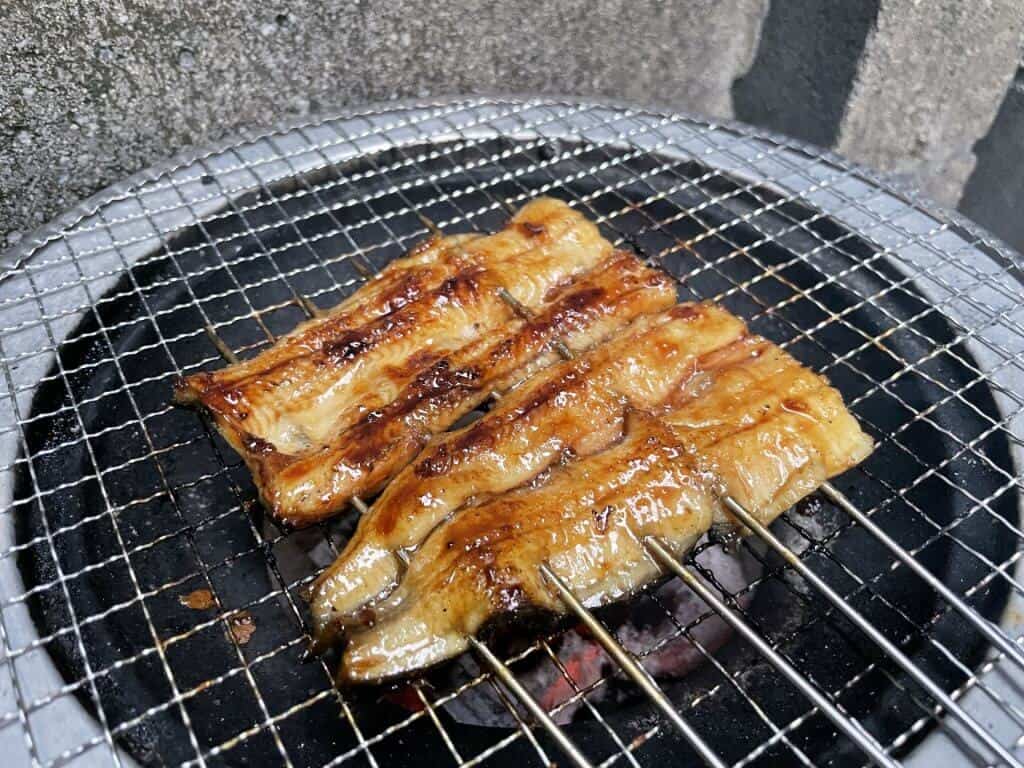
Walking past a traditional unagi restaurant in Japan, you smell it before you see it. Charcoal smoke, caramelizing tare, and something earthy and warm. It is not subtle. Some people find the scent of grilling eel strong. Combined with sweet soy and mirin rising off the grill, though, most find it irresistible. The aroma is part of the experience. Restaurants that grill over bincho charcoal add an extra smokiness that you cannot replicate at home easily.
Kanto vs Kansai Style: Two Ways to Grill Eel
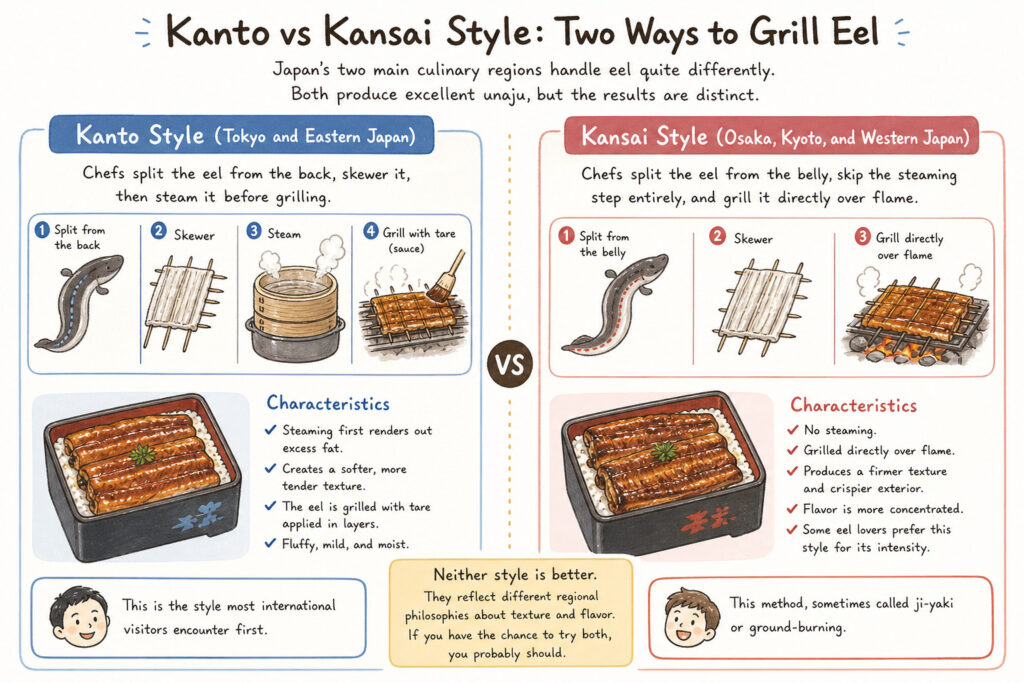
Japan’s two main culinary regions handle eel quite differently. Both produce excellent unaju, but the results are distinct.
Kanto style (Tokyo and eastern Japan): Chefs split the eel from the back, skewer it, then steam it before grilling. Steaming first renders out excess fat and creates a softer, more tender texture. The eel is then grilled with tare applied in layers. The finished piece is fluffy, mild, and moist. This is the style most international visitors encounter first.
Kansai style (Osaka, Kyoto, and western Japan): Chefs split the eel from the belly, skip the steaming step entirely, and grill it directly over flame. This method, sometimes called ji-yaki or ground-burning, produces a firmer texture and crispier exterior. The flavor is more concentrated. Some eel lovers prefer this style for its intensity.
Neither style is better. They reflect different regional philosophies about texture and flavor. If you have the chance to try both, you probably should.
Why a Lacquered Box? The Story Behind the Jubako
The jubako is more than a container. It keeps the steam inside, which means your rice and eel stay warm and moist throughout the meal. The lacquered surface reflects heat inward. It also adds visual elegance. Opening a jubako at the table is a small moment of ceremony. The lid comes off, steam rises, and the glossy eel appears. That presentation matters in Japanese food culture.
One theory about the jubako’s origin involves a theater owner named Okubo Imasusuke during the Meiji era. He reportedly insisted on having his eel delivered warm by packing it in a box of bran rice. That practical solution eventually became refined into the lacquerware presentation used today. The square shape also matters: eel can be arranged neatly into every corner, creating that neat, satisfying visual you see in photos.
Unaju and Japanese Summer: A Long Tradition
Eel has been part of Japanese food culture for thousands of years. Archaeological shell mounds from the Jōmon period, dating back over 5,000 years, have contained eel bones. By the Heian period, aristocrats prized steamed white eel for its restorative qualities. The connection between eel and summer stamina appears in poetry as old as the 8th century.
The modern kabayaki style crystallized during the Edo period, particularly in the Tenmei era around 1781. Chefs began butterflying eels, skewering them, and basting them repeatedly with tare over charcoal. Unagi restaurants spread across Edo, today’s Tokyo. They promoted eel as the perfect food for Doyo no Ushi no Hi, the Midsummer Day of the Ox. That tradition continues today. Eating unaju on that day each summer is considered a way to gain energy and resist heat fatigue.
From a nutritional standpoint, the tradition makes sense. Unaju is high in protein, rich in vitamins A and E, and contains omega-3 fatty acids. It is genuinely energizing food, not just cultural habit.
How to Eat Unaju
There is no complicated ritual, but a few things enhance the experience. When the jubako arrives, lift the lid slowly. Take a moment with the aroma before doing anything else. That first wave of smoke and sweet soy is worth pausing for.
Begin eating from the corner of the box. Most people work inward, alternating between eel and rice. The tare-soaked rice at the bottom is often the most flavorful part. Do not rush past it. Add sansho pepper a little at a time. It sharpens the flavor. Too much can overpower the eel, so go carefully at first.
Many restaurants serve kimosui alongside unaju. This is a clear soup made with eel liver. It is delicate and slightly mineral. Sip it between bites as a palate cleanser. If you are visiting a traditional unagi restaurant for the first time, ordering the full set with kimosui is the most complete way to experience the meal.
Restaurants Serving Unaju in Hamamatsu
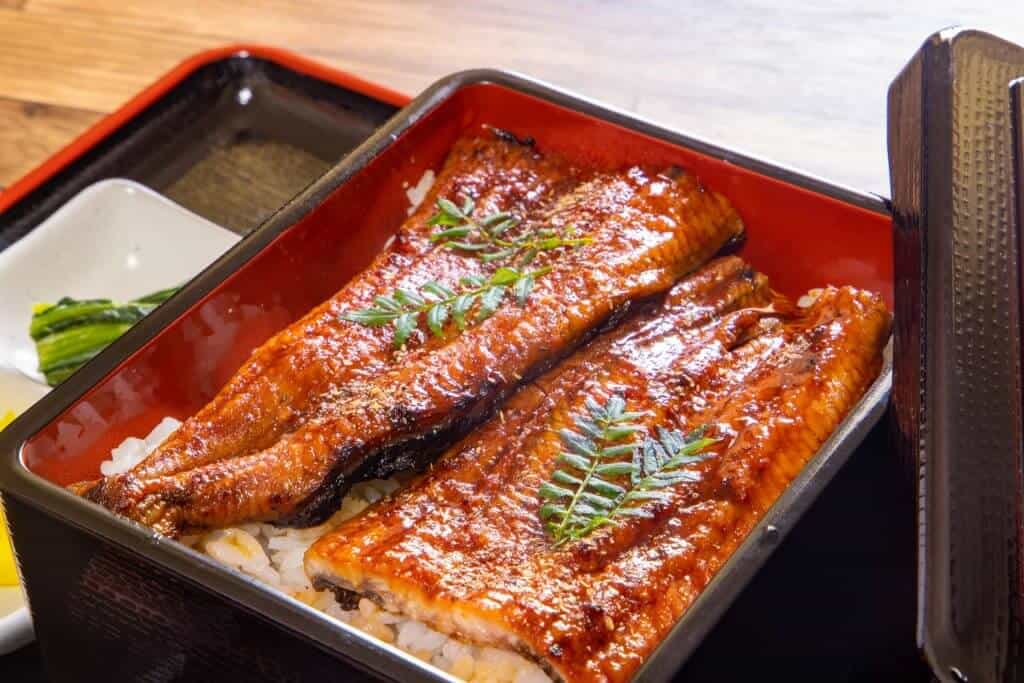
Hamamatsu is one of Japan’s best cities for unaju. The restaurants here fall into a few clear categories: century-old institutions, charcoal-grill specialists, and family-run neighborhood favorites.
Eel Dish Atsumi (Historic Institution, Est. 1890)
Atsumi has been serving eel since 1890. They use eels sourced from Lake Hamana and bake kabayaki with a tare recipe passed down for over a century. The aroma hits you from outside. It is a ten-minute walk from Hamamatsu Station on the JR Tokaido Line.
Unagi Hikumano (Traditional Neighborhood Specialist)
Hikumano uses only Lake Hamana eels. Every piece steams until soft and fluffy before grilling. Their menu also includes sake and local Shizuoka wine. The atmosphere is old-fashioned and unhurried. Five minutes on foot from Hamamatsu Station.
Charcoal-Grilled Unagi Aoiya (Bincho Charcoal Specialist)
Aoiya lets customers choose their eel from a live display. Kabayaki is grilled over bincho charcoal, producing a fluffy interior with a genuinely crisp, fragrant exterior. The rice here is Akitakomachi, grown with minimal pesticides. A twenty-minute walk from Tenryugawa Station.
Kanerin Eel Restaurant (Long-Established Atmosphere)
Founded around 70 years ago, Kanerin has built a following for its bincho charcoal technique and a multi-generational tare sauce. Guests can eat inside or, weather permitting, in a courtyard. Ten minutes by bus from Hamamatsu JR Station.
Shimizu Family (Daily-Fresh, Family-Run)
Shimizu receives only as many eels as they plan to serve each day. Every eel cooks to order on a carefully managed charcoal grill. Three generations of chefs have maintained the same approach. Takeout eel boxes are available for those who prefer to eat elsewhere.
Conclusion
A Meal Worth Seeking Out
Unaju is one of those dishes that rewards patience. The wait for a table at a long-established restaurant, the moment the lacquered lid lifts, the first breath of charcoal and sweet tare — all of it adds up to something genuinely memorable. It is more than just eel on rice. It is centuries of craft compressed into a single box.
Whether you choose the silky Kanto style or the crisper Kansai preparation, whether you spend a quiet lunch in Hamamatsu or seek out a Tokyo institution, the experience is worth every yen. Japan’s seafood culture runs deep, and unaju sits near the very top of it.
Explore more Japanese Seafood Guide →Unaju FAQ
What is unaju?
Unaju is a Japanese grilled eel rice bowl served inside a square lacquered box called a jubako. Kabayaki-style eel, glazed with a sweet soy-based tare sauce, sits over steamed rice. It is richer in portion and more formal in presentation than unadon.
What is the difference between unaju and unadon?
Only the container differs. Unadon comes in a ceramic bowl; unaju comes in a lacquered jubako box. Unaju typically includes about 1.5 times more eel than unadon. The quality of the eel is the same. Unaju feels more celebratory and is generally priced higher.
Why is unaju so expensive?
Three factors drive the price: the scarcity of wild juvenile eels used in farming, the long rearing time required, and the skilled craftsmanship needed to grill kabayaki properly. A well-known saying in Japan says mastering eel cooking takes a lifetime. That expertise has real value.
How is eel prepared for unaju?
In the Kanto style, chefs split the eel from the back, steam it first for softness, then grill it with repeated applications of tare sauce. In the Kansai style, chefs split from the belly and grill directly over flame without steaming, producing a firmer and crispier result.
What is unagi kabayaki?
Unagi kabayaki is the grilled eel preparation at the heart of unaju. The eel is butterflied, skewered, and repeatedly basted with tare, a sauce made from soy sauce, mirin, and sugar, while being grilled over charcoal. The result is glossy, caramelized, and deeply savory.
Is unaju a healthy meal?
Yes. Eel is high in protein and contains significant amounts of vitamins A and E, as well as omega-3 fatty acids. Japanese tradition has long tied eel consumption to summer stamina, and the nutritional profile supports that reputation.
What does the green spice served with unaju taste like?
That is sansho, Japanese peppercorn. It has a citrusy, slightly numbing quality that cuts through the richness of the eel and tare. Sprinkle a small amount at first. It transforms the dish without overwhelming it.
When is the best time to eat unaju in Japan?
Unaju is available year-round. The most culturally significant time is Doyo no Ushi no Hi, the Midsummer Day of the Ox, which falls in late July. On that day, eating eel is a national tradition for gaining energy during the hottest part of the year.
Why does unaju use a lacquered box?
The jubako box traps steam, keeping the rice and eel moist and warm throughout the meal. The square shape also allows eel pieces to be arranged neatly into every corner. Beyond function, the box adds a sense of occasion that a plain bowl cannot replicate.
What do the grades Matsu, Take, and Ume mean on an unaju menu?
These are portion tiers. Matsu (pine) is the largest, Take (bamboo) is mid-size, and Ume (plum) is the smallest. The eel quality does not change between grades. Only the amount of eel differs. Similarly, nami, jo, and tokujo grades indicate portion quantity rather than eel quality.
What is kimosui?
Kimosui is a clear soup made with eel liver. Restaurants frequently serve it as a side dish alongside unaju. It is delicate and lightly savory, designed to complement rather than compete with the eel. Try sipping it between bites.
Is raw eel safe to eat?
No. Eel blood contains a toxin that cooking neutralizes completely. Japanese chefs always cook eel thoroughly before serving. You will never encounter raw eel in a traditional restaurant setting.
What is hitsumabushi?
Hitsumabushi is a Nagoya variation of eel over rice. You eat it in three stages: plain first, then with condiments like wasabi and green onion, and finally with dashi broth poured over the top. It is a different but equally rewarding way to enjoy unagi.
References
Food in Japan – Unadon (うな丼) | https://foodinjapan.org/kanto/tokyo/unadon/ (reviewed 2026)
Ministry of Agriculture, Forestry and Fisheries of Japan – Eel Aquaculture Statistics | https://www.maff.go.jp/j/tokei/kouhyou/kaimen_gyosei/ (data: 2023, domestic eel production approximately 15,800 tonnes)
Shizuoka Prefecture Tourism – Hamamatsu & Lake Hamana | https://www.visit-shizuoka.com/en/spots/detail.php?kankoId=000000816 (referenced 2024)
National Museum of Japanese History – Jōmon Period Food Archaeology | https://www.rekihaku.ac.jp/english/ (exhibit data 2023)




Comments
List of comments (1)
One of the best things about this post is how accessible and easy to follow it feels, since the wording stays clear and the discussion remains interesting and open to different perspectives throughout.