



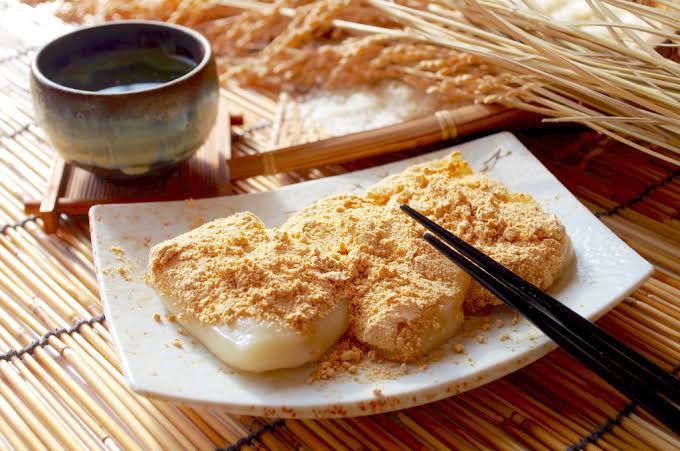
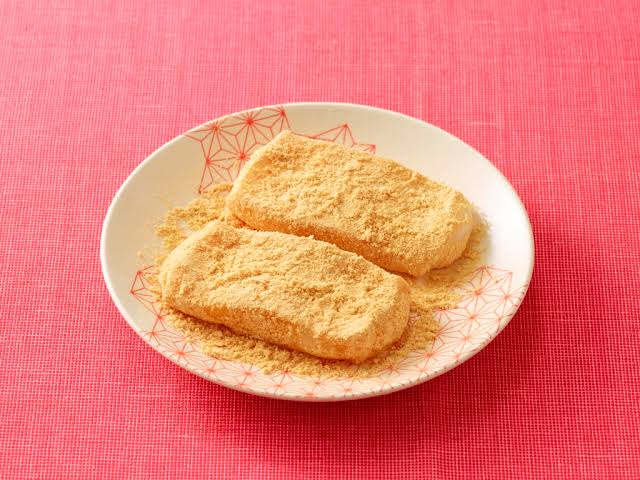
Kinako mochi is a soft rice cake dusted with roasted soybean powder, born in Shizuoka alongside its cousin, Abegawa Mochi. It tastes nutty and mildly sweet, and it often appears at New Year gatherings across Japan. This guide covers its history, how it differs from Abegawa Mochi, a simple recipe, and where you can try it.
The soft mochi carries a toasted aroma from the kinako, pairing naturally with green tea. Because kinako comes from roasted soybeans, it also brings protein and fiber to a dessert many assume is just sugar and starch. Below, you will find the full story behind this Shizuoka classic.
What is Kinako Mochi?
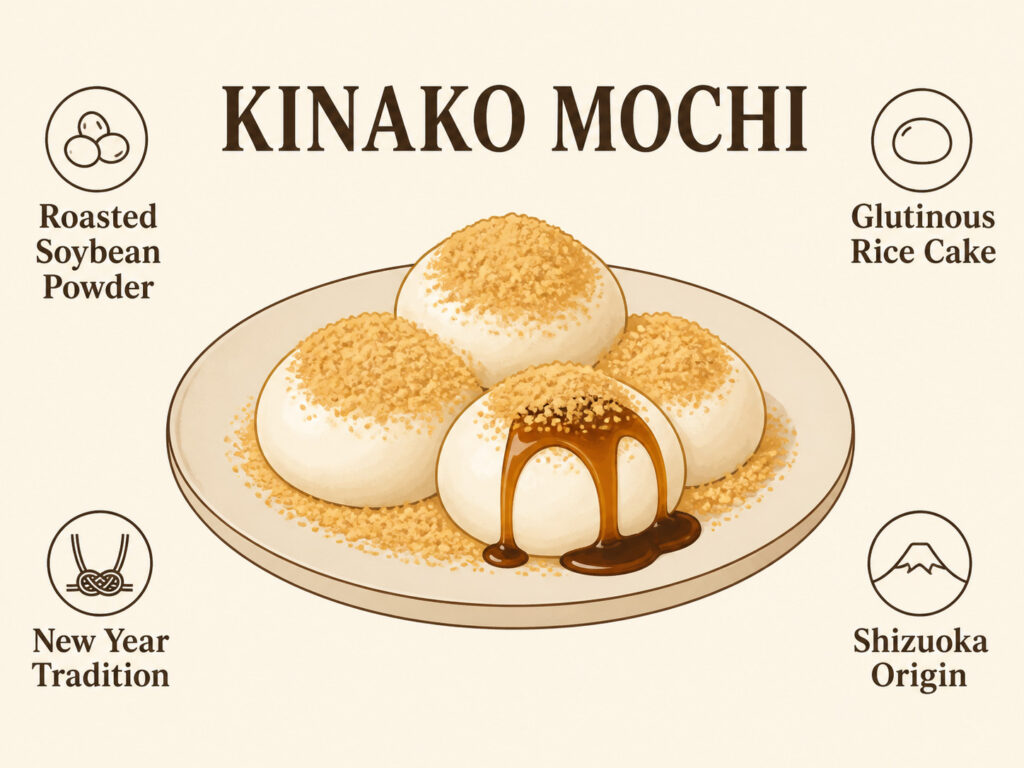
Kinako mochi is glutinous rice cake dusted with kinako, a roasted soybean powder. Cooks often mix a little sugar into the kinako before sprinkling it over warm mochi. This dish appears on many Osechi tables during the New Year, since round mochi is thought to bring good fortune.
People of all ages enjoy it for its simple flavor and the nutrients it carries from roasted soybeans. You can find it at wagashi shops, supermarkets, and home kitchens across Japan, especially in Shizuoka, where kinako mochi and Abegawa Mochi share the same roots. It requires only a few ingredients, yet it connects directly to centuries of local tradition.
Flavor and texture of Kinako Mochi
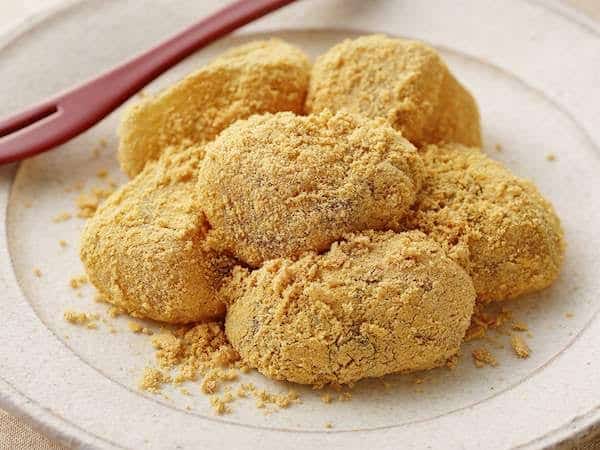
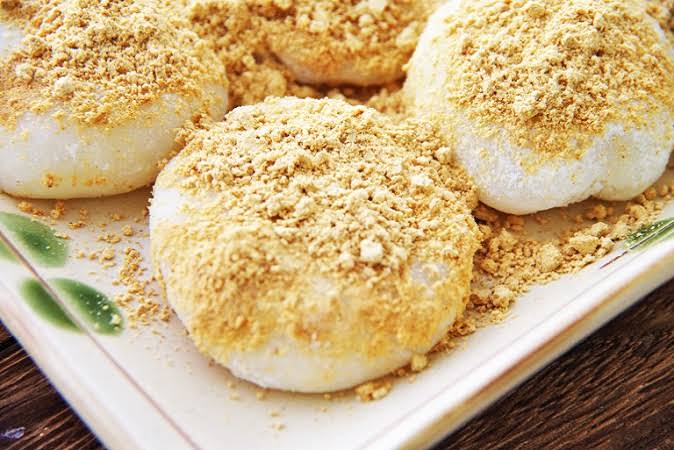
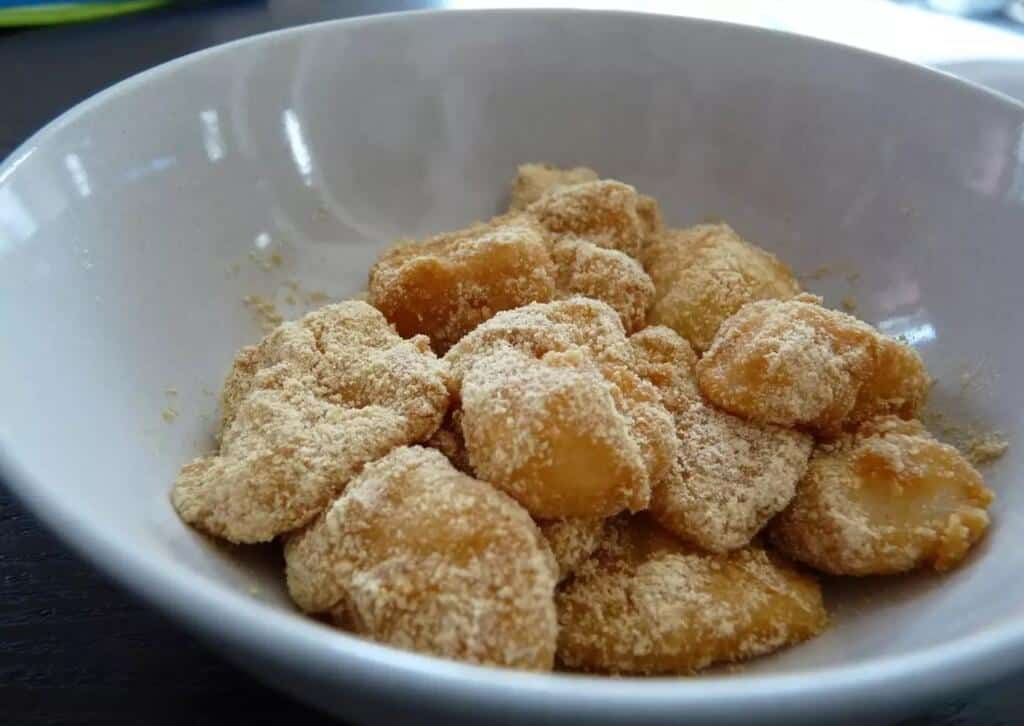
The first bite reveals a soft, stretchy mochi center. Your teeth press in, and the rice cake stretches slightly before giving way. Around it sits a fine, dry coating of kinako, which adds a light crunch and a toasted aroma similar to peanuts.
Sweetness stays mild unless sugar gets mixed into the kinako. Some people add black honey for a richer, caramel-like note, while others prefer it plain. This balance of soft and dry, mild and nutty, is part of why kinako mochi feels comforting rather than heavy.
History of Kinako Mochi
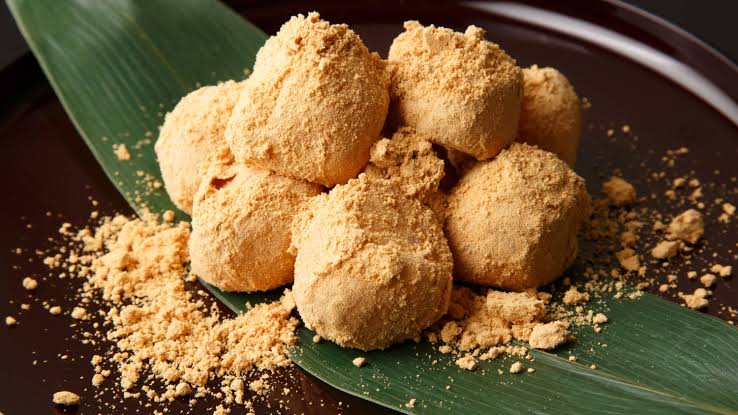
Many historians link kinako mochi closely to Abegawa Mochi, a well-known sweet from Shizuoka. Both trace back to the Abe River area during the Edo period. Shizuoka’s official tourism board notes that two theories exist about how the name Abegawa Mochi began.
One theory says Tokugawa Ieyasu, founder of the Edo shogunate, was served kinako-dusted mochi during an inspection of a gold mine upstream on the Abe River, and the golden powder reminded him of the mine’s gold dust. A second theory ties the name simply to the river itself, without any royal visit involved. Neither version has been confirmed as definitive, so both are worth mentioning.
Back then, white sugar was expensive, so plain kinako coating was likely the norm. As sugar became more affordable over time, cooks began mixing it into the kinako for extra sweetness. This version spread along the Tokaido road connecting Edo and Kyoto, eventually becoming popular nationwide.
Why is it eaten at New Year?
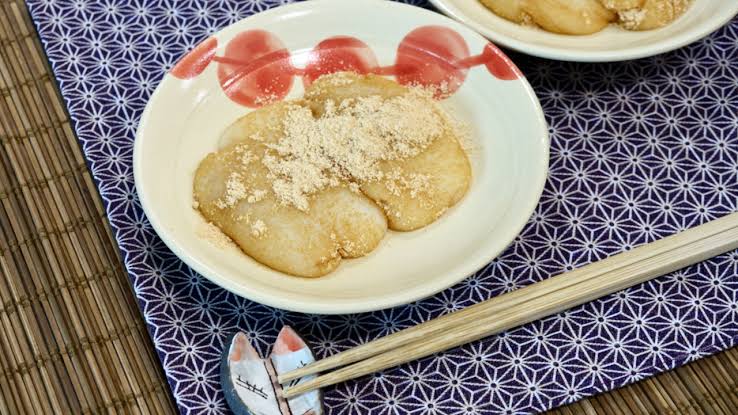
Mochi has long symbolized good fortune in Japan. Its round shape represents family unity, and its stretchy texture is linked to long life. Kinako, with its golden color, adds another layer of meaning tied to wealth and prosperity.
Because Osechi dishes each carry a wish for the new year, kinako mochi fits naturally into the spread. Families often prepare it fresh, alongside ozoni soup and other seasonal foods, as part of shared New Year traditions.
What is the difference between Abegawa Mochi and Kinako Mochi?
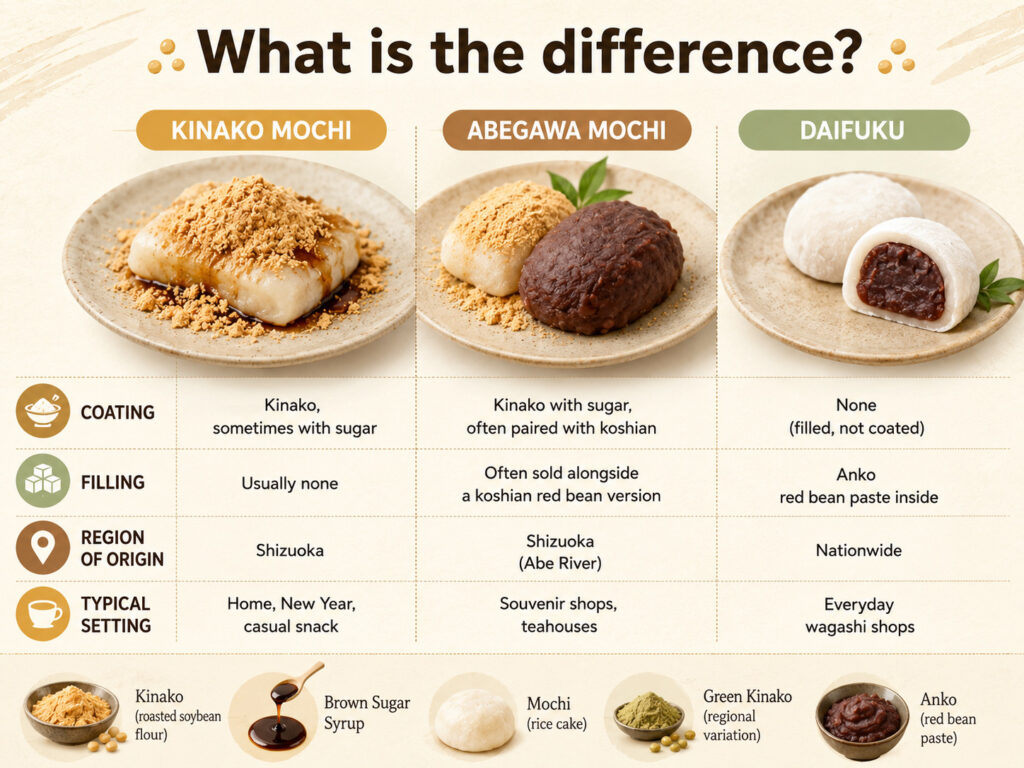
Both sweets share the same core idea: soft rice cake dusted with kinako. In practice, the names are sometimes used interchangeably, especially outside Shizuoka. Where a distinction is made, it usually comes down to serving style rather than the rice itself.
Abegawa Mochi is typically sold as a Shizuoka specialty and often served in two versions side by side, a kinako version and a red bean paste (koshian) version. Kinako mochi, by contrast, usually stays simple, relying only on the soybean coating and a touch of sugar, without the bean paste pairing.
| Feature | Kinako Mochi | Abegawa Mochi | Daifuku |
|---|---|---|---|
| Coating | Kinako, sometimes with sugar | Kinako with sugar, often paired with koshian | None (filled, not coated) |
| Filling | Usually none | Often sold alongside a koshian red bean version | Anko red bean paste inside |
| Region of origin | Shizuoka | Shizuoka (Abe River) | Nationwide |
| Typical setting | Home, New Year, casual snack | Souvenir shops, teahouses | Everyday wagashi shops |
Note: exact rice flour used can vary by shop and recipe. If a specific store lists joshinko or a different rice type, check that shop’s own description rather than assuming one standard recipe applies everywhere.
Ingredients for Kinako Mochi
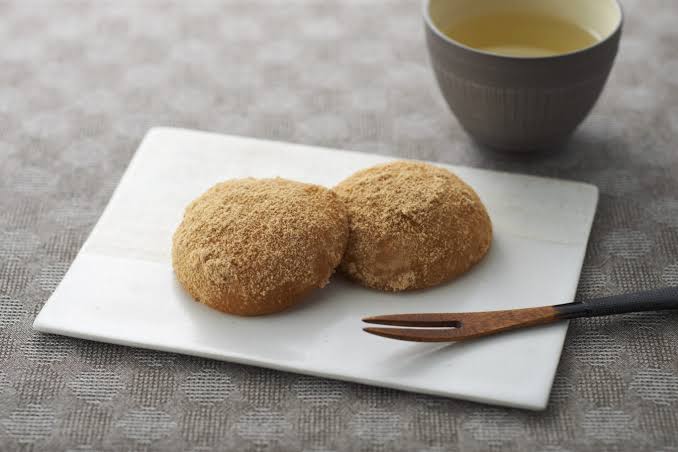
This recipe serves two people and needs only a few pantry items.
| Ingredient | Amount |
|---|---|
| Mochi rice cakes | 2 pieces |
| Sugar | 1 tablespoon |
| Kinako powder | 2 1/2 tablespoons |
How to make Kinako Mochi
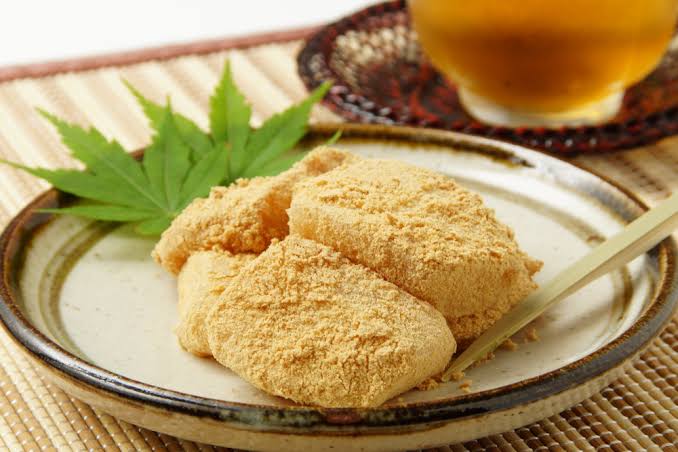
Place the rice cakes in a heat-resistant bowl. Add enough water to cover them fully. Microwave uncovered for 2 minutes and 30 seconds.
While the mochi softens, mix the kinako with sugar in a small bowl. Once the mochi turns soft and pliable, remove it from the water carefully.
Sprinkle the kinako and sugar mixture generously over the warm mochi. Add a drizzle of black honey for extra sweetness, then serve right away.
A few small habits make this recipe easier the second time around. Use fresh mochi when possible, since older mochi can crack after microwaving. Sift the kinako first to avoid clumps, and taste as you add sugar, since kinako brands vary in natural sweetness. Serve immediately, because mochi firms up fast once it cools.
Storage and shelf life
Fresh kinako mochi tastes best on the day it is made. The mochi hardens within hours once exposed to air, so eat it soon after coating. If you need to store leftovers, wrap the plain mochi tightly in plastic before adding kinako, and refrigerate it for up to two days.
Store-bought kinako powder itself lasts much longer than the mochi. Keep it in an airtight container away from heat and moisture, and it should stay fresh for a few months. Always check the packaging date, since roasted soybean powder can lose its aroma over time.
Health benefits of Kinako Mochi
Kinako brings real nutritional value to this simple sweet. Because it comes from soybeans, the powder contains plant protein, dietary fiber, calcium, and small amounts of iron. Japan’s official food composition database lists roughly 37 grams of protein per 100 grams of kinako, which is unusually high for a dessert ingredient.
Soy fiber may also support digestion without blocking nutrient absorption. A clinical study in the American Journal of Clinical Nutrition found that soy fiber supplementation did not interfere with protein recovery in the small intestine, while still adding bulk that can aid regularity.
Soy also contains isoflavones, plant compounds researchers have studied for years. A 2020 review in Nutrients found that soy isoflavones may support healthy cholesterol levels and reduce arterial stiffness. None of this makes kinako mochi a health food by itself, since sugar and rice still make up most of the dish. Even so, the soy content gives it a nutritional edge that plain sugar-coated sweets simply don’t have.
Is mochi safe to eat?
Mochi’s stickiness makes it genuinely risky for young children and older adults. A nationwide study published in the Journal of Epidemiology recorded 52,366 food choking deaths in Japan between 2006 and 2016, with cases rising sharply around New Year, when mochi consumption peaks.
The risk comes from how mochi behaves once swallowed. Unlike most foods, it can stay sticky and intact even after reaching the stomach. Cutting mochi into small pieces and chewing slowly lowers this risk considerably. If you are serving kinako mochi to children or elderly guests, smaller portions are simply the safer choice.
Substitutes and where to find it abroad
Outside Japan, fresh kinako mochi can be hard to find. Many Japanese grocery stores abroad, such as Mitsuwa, Nijiya, or H Mart branches, stock frozen mochi and packaged kinako powder. Online Japanese food retailers also ship kinako internationally.
If kinako is unavailable, roasted chickpea flour or finely ground roasted peanuts can offer a similar nutty flavor, though the texture will not match exactly. These substitutes work best in a pinch rather than as a long-term replacement.
Where to buy Kinako Mochi
Store details below were checked in July 2026. Prices, hours, and menus can change, so confirm directly with the shop before visiting.
Mochi and Japanese Tea specialty store Tsukimitsu
This Tokyo shop focuses on handmade mochi, and locals often line up for its rice cakes and homemade hentsuyu dipping sauce. Its donburi mochi comes with a range of condiments, and the kinako mochi here has built a loyal following over the years.
Chabo Unmo
Located in Kamakura, this sweet shop specializes in wagashi with a distinctly chewy bite. Alongside kinako mochi, the shiratama here draws returning customers.
Awamochidokoro Sawaya
Near Kitano Tenmangu Shrine in Kyoto, this shop has sold Awamochi treats for more than 300 years. Its long history makes it a reliable stop for traditional Japanese sweets.
Suzuke Honten
Founded in 1923 in Hakata, Fukuoka City, this long-established confectionery shop offers set meals, cafe fare, and sweets under one roof. Its menu blends classic wagashi with seasonal and Western-style items.
Conclusion
Kinako mochi shows how a few humble ingredients can carry centuries of tradition. Its story connects closely to Abegawa Mochi and the teahouses that once lined the Abe River. Whether eaten plain, with black honey, or lightly toasted, it remains a simple pleasure rooted in Shizuoka’s food culture.
If you enjoy exploring more mochi varieties, Japan offers plenty of regional twists worth trying. Frying or baking kinako mochi gives it a crisp edge that contrasts nicely with the soft interior, and a spoonful of anko red bean paste is an easy way to make it feel more indulgent.
For more ways to enjoy Shizuoka’s sweets, try the original Abegawa Mochi recipe, or explore other regional wagashi through our related articles below.
Kinako Mochi FAQ
What is Kinako Mochi made of?
Kinako mochi is made from glutinous rice cake coated in kinako, a roasted soybean powder. Cooks usually mix sugar into the kinako for extra sweetness. Some recipes add black honey for richer flavor. The ingredient list stays short, which is part of its charm.
Is Kinako Mochi healthy?
Kinako mochi offers more nutrition than typical sugar-coated sweets. The soybean powder contains protein, fiber, and small amounts of calcium and iron. Research on soy isoflavones also suggests possible heart health benefits. Still, portion size matters, since mochi itself is calorie-dense.
What is the difference between Kinako Mochi and Abegawa Mochi?
The names are often used interchangeably outside Shizuoka. Where a difference exists, it usually comes down to serving style rather than the type of rice. Abegawa Mochi is typically sold as a Shizuoka souvenir, often paired with a koshian red bean version alongside the kinako one.
Is mochi safe for children or elderly people?
Mochi can pose a real choking risk because of its sticky texture. Japanese health data shows choking incidents rise sharply around New Year, when mochi consumption peaks. Cutting it into small pieces and chewing slowly lowers this risk considerably. Extra caution is worth taking with young children and elderly guests.
How much does Kinako Mochi cost?
Prices at specialty wagashi shops in Japan typically range from 900 to 1,500 yen per portion. Supermarket versions often cost less, closer to a few hundred yen. Prices can vary by region and shop, so treat these as general guidance rather than fixed figures.
Where can I buy Kinako Mochi outside Japan?
Japanese grocery stores abroad often carry frozen mochi and packaged kinako powder. Online retailers specializing in Japanese food also ship internationally. If kinako is hard to find, roasted chickpea flour can work as a rough substitute. Fresh kinako mochi from a Shizuoka shop, however, remains hard to replicate elsewhere.
References
- Japan National Tourism Organization – New Year Food Traditions (Accessed July 2026)
- Japan National Tourism Organization – New Year’s in Japan (Accessed July 2026)
- Visit Shizuoka – What Is Shizuoka’s Famous Abe River Mochi? History and Origin (Accessed July 2026)
- Shizuoka Prefecture – The Originator of Abekawa Mochi (Accessed July 2026)
- Ministry of Education, Culture, Sports, Science and Technology – Standard Tables of Food Composition in Japan (Accessed July 2026)
- Gómez-Zorita et al., Nutrients – Scientific Evidence Supporting the Beneficial Effects of Isoflavone Consumption (Accessed July 2026)
- Zhao et al., American Journal of Clinical Nutrition – Ileal Recovery of Nutrients and Mucin in Humans Fed Soy Fiber (Accessed July 2026)
- Taniguchi et al., Journal of Epidemiology – Epidemiology of Food Choking Deaths in Japan: Time Trends and Age Variations (Accessed July 2026)
- Food Safety Commission of Japan – Risk Assessment Report on Choking Accidents Caused by Foods (Accessed July 2026)
Related Articles
- Abekawa Mochi (Surveyed: July 2026)
- Mochi (Surveyed: July 2026)
- Natto Mochi (Surveyed: July 2026)
- Imo Mochi (Surveyed: July 2026)
- Osechi (Surveyed: July 2026)





Comments