





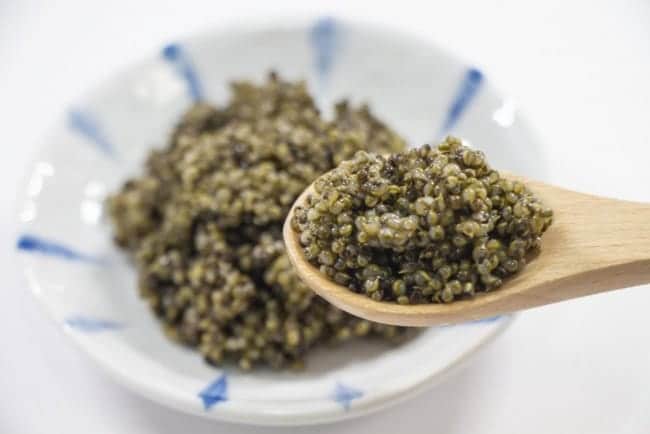
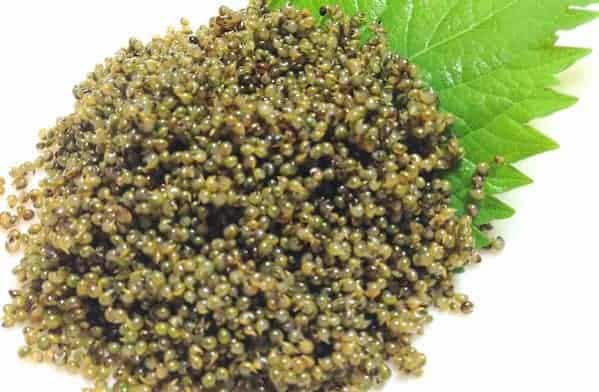
Tonburi is an Akita specialty made from the seeds of Kochia scoparia. Locals call it field caviar because of its glossy green grains and popping texture. People eat it as a vegan garnish on rice, tofu, and salads.
This tiny ingredient looks like caviar, but it comes from a plant, not fish. Each grain measures about one to two millimeters and carries a mild, earthy flavor with a faint nutty note. The texture is the real surprise, since it pops gently between the teeth. Odate City in Akita Prefecture produces most of Japan’s tonburi, using local water and decades of processing skill. Because it has almost no smell or strong taste, cooks pair it with rice, tofu, udon, and grated yam. Many people expect a fishy taste, but it never delivers one. This guide explains what tonburi is, how it’s made, and where to find it in Akita and online.
What is Tonburi?
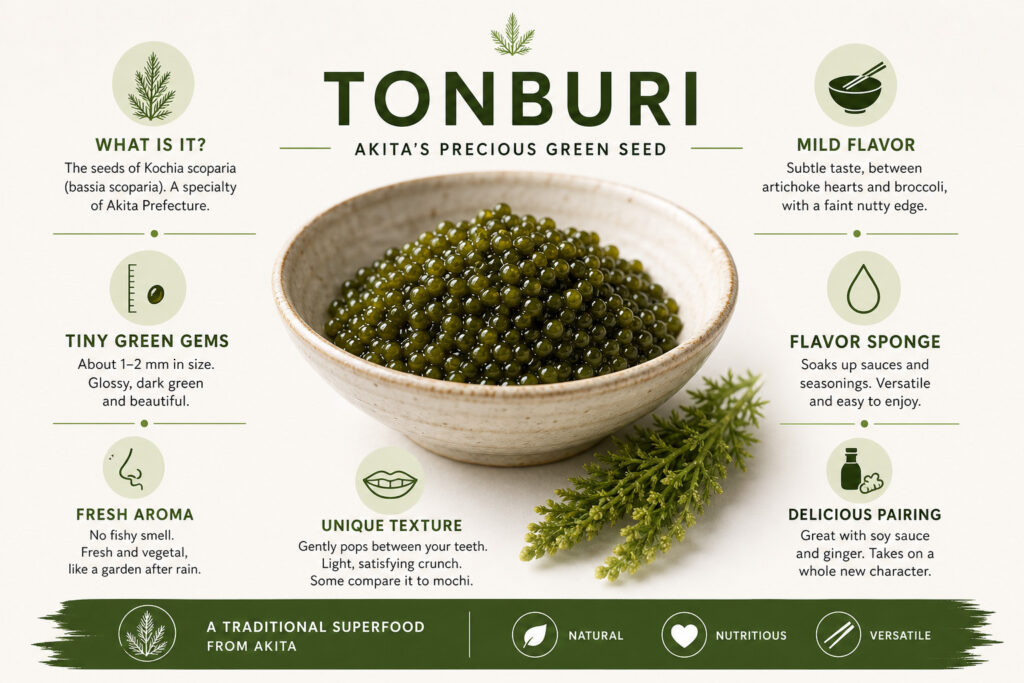
Tonburi are the seeds of Kochia scoparia, also called bassia scoparia. Producers clean and dry the seeds before selling them as tonburi. Akita Prefecture grows nearly all of Japan’s tonburi supply, and it has become one of the region’s most requested specialty foods.
First Glance: Tiny Green Gems
Tonburi arrives looking like glistening, dark green caviar. Each grain measures about one to two millimeters, with a surprising glossy sheen. Newcomers often expect a fishy smell. Instead, the aroma is fresh and vegetal, almost like a garden after rain.
The Texture That Surprises
The first bite catches people off guard. The seeds pop gently between the teeth, creating a light, satisfying crunch. Some compare the feel to small mochi balls. That contrast, delicate yet crunchy, makes tonburi memorable.
The Taste: Mild and Mellow
Tonburi’s flavor stays subtle, somewhere between artichoke hearts and broccoli, with a faint nutty edge. It works almost like a flavor sponge, soaking up whatever sauce surrounds it. Many find it nearly tasteless on its own, which makes it a flexible garnish. Mixed with soy sauce and ginger, it takes on a completely different character.
History of Tonburi in Akita
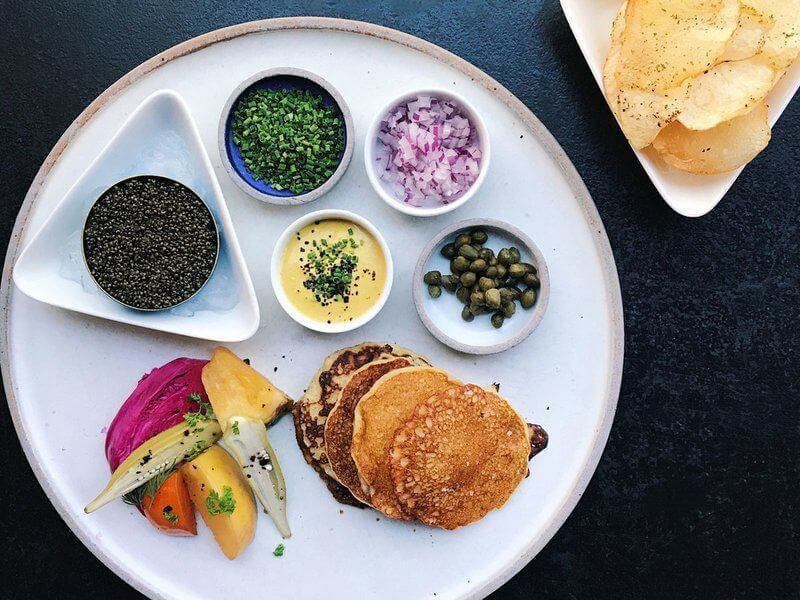
Tonburi has roots in the Akita region that stretch back generations. It became a commercial specialty only in the twentieth century. In 1973, a processing factory opened in Odate, and Odate Tonburi quickly became known nationwide . Production and cultivation both expanded rapidly after that point.
A peeling machine introduced in 1975 replaced slow, manual work and made large scale processing possible. That single innovation still shapes how producers handle the seeds today. In May 2017, the Japanese government registered Odate Tonburi under its Geographical Indication protection system . The GI status confirms that Odate’s water and skill are essential to authentic tonburi.
Researchers who study GI programs note that registration often boosts both reputation and price for regional foods like this one . Today, producers in Odate continue passing down their processing techniques to younger generations, keeping this craft alive.
Season and Harvest Time of Tonburi
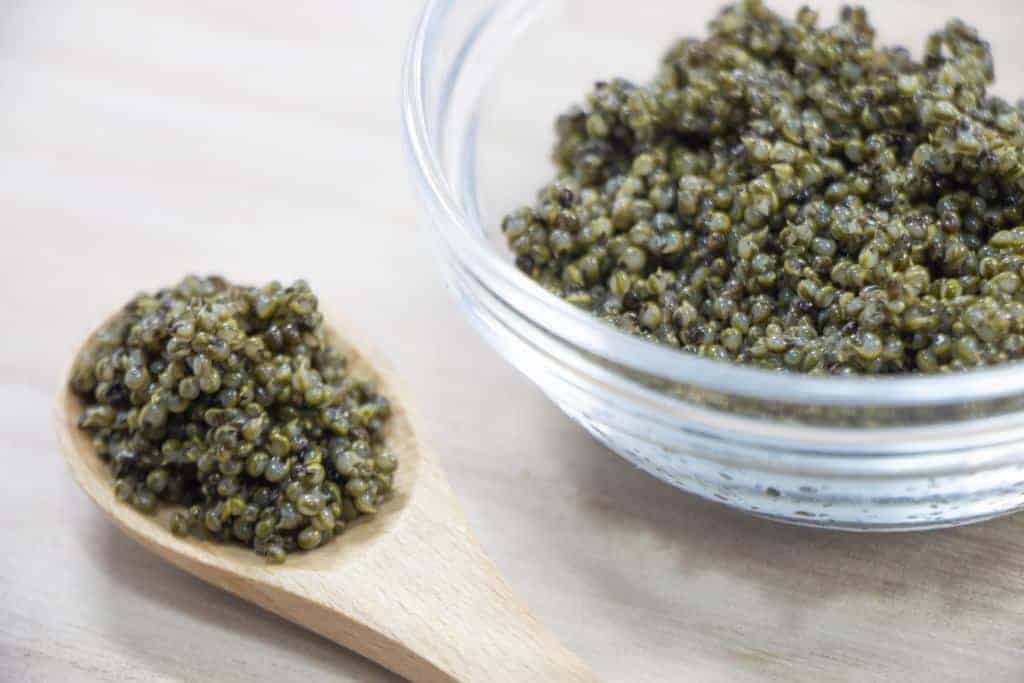
Farmers sow kochia scoparia seeds in spring, usually around April or May. The plants mature through summer, and harvest happens in autumn, typically September to October. Producers then dry and process the seeds over the following weeks.
Because processed tonburi keeps well when vacuum sealed, stores sell it year round. That means shoppers can buy tonburi in any season, even though the harvest window stays short.
Tonburi vs Caviar
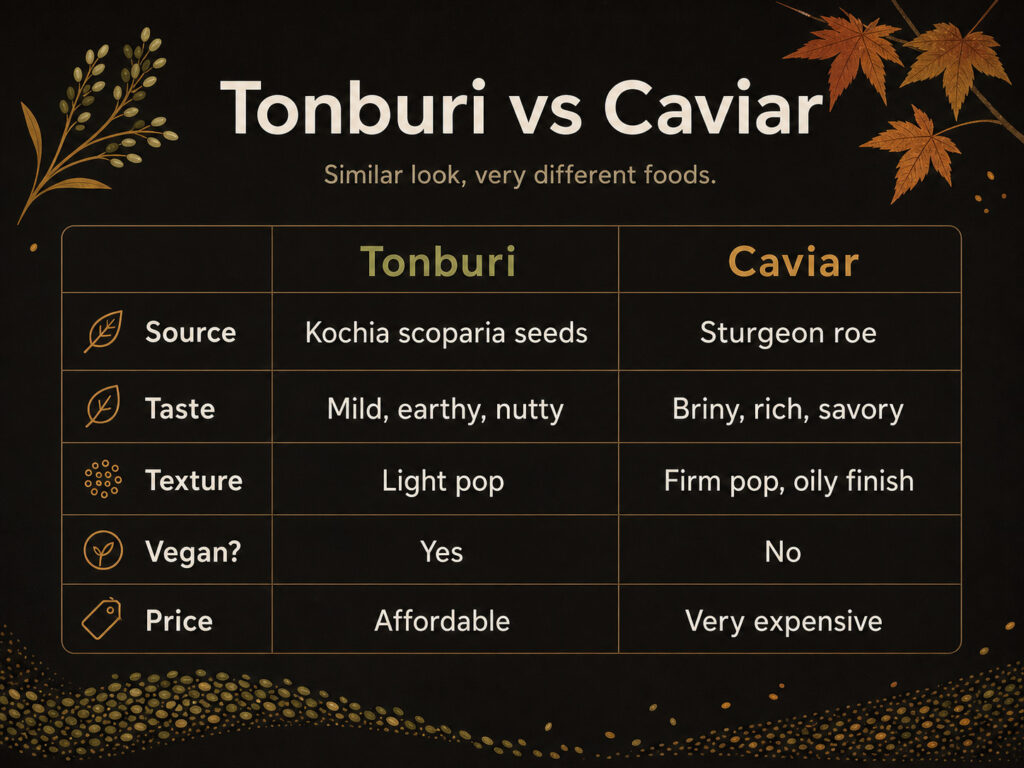
Tonburi often gets compared to real caviar, but the two share little beyond appearance. This table breaks down the differences.
| Feature | Tonburi | Caviar |
|---|---|---|
| Source | Kochia scoparia seeds (plant) | Sturgeon roe (fish) |
| Taste | Mild, earthy, nutty | Briny, rich, savory |
| Texture | Light pop | Firm pop, oily finish |
| Vegan? | Yes | No |
| Price range | Affordable | Very expensive |
Tonburi offers a plant based way to enjoy that same popping sensation. It comes without the price tag or animal origin of real caviar.
Is Tonburi Healthy?
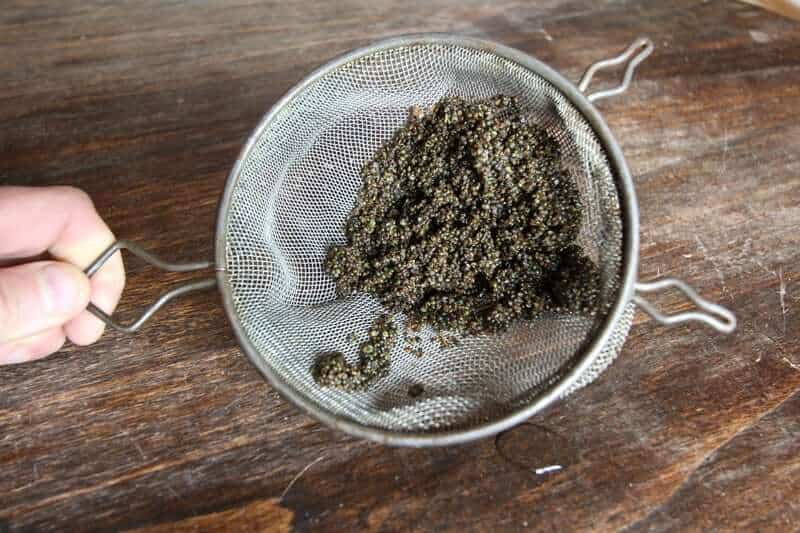
Tonburi is naturally low in calories and rich in dietary fiber. An 80 gram serving contains only about 72 kilocalories, which makes it popular among health conscious eaters.
- Supports healthy digestion through its fiber content
- May contribute to balanced blood sugar levels
- Contains nutrients linked to cholesterol management
- Fits easily into calorie conscious meal planning
Tonburi also contains vitamins and minerals that support metabolism and skin health. Some traditional accounts describe compounds like momordicine and saponin as supportive of blood sugar balance and antioxidant activity . Research on these specific effects remains limited, though, so treat tonburi as a nutritious addition to meals rather than a medical treatment. Its long history as a valued ingredient in Akita speaks to its place in local food culture.
Is Tonburi Vegan and Gluten-Free?
Tonburi comes entirely from plant seeds, so it fits naturally into vegan diets. It also contains no wheat, barley, or rye, which makes it gluten free in its plain form.
Some flavored or seasoned tonburi products may include soy sauce or other additives. Checking labels helps if you have allergies or dietary restrictions. For most people following plant based or gluten free diets, plain tonburi is a safe, flexible choice.
How Tonburi Is Made
Workers harvest ripe kochia scoparia fruits in autumn. They then remove the seeds from the dried fruit clusters.
Producers boil the seeds for about 30 minutes, stirring constantly. Continuous stirring keeps the seeds from sticking together as they thicken.
A sturdy colander drains excess water from the seeds. Workers then air dry them for at least 12 hours before moving to the next stage.
A specialized machine, introduced in 1975, removes the outer husk without crushing the seed. This innovation replaced slow manual peeling and remains central to the industry today.
Workers rinse the peeled seeds several times in clear water. Repeated rinsing with large plastic colanders removes any remaining husks or debris.
Producers dry the cleaned seeds for at least 8 hours to remove excess moisture. A final inspection catches any particles the machines may have missed.
How to Eat Tonburi
Tonburi comes ready to eat straight from the package. It needs no cooking or additional rinsing once opened. A light seasoning, such as soy sauce, dashi, or a splash of vinegar, brings out its subtle flavor best. Because tonburi absorbs whatever it’s paired with, simple seasoning usually works better than heavy sauces.
It pairs especially well with foods that have a soft or slippery texture. Grated yam, called tororo, gains a pleasant crunch when topped with tonburi. Cold tofu, steamed rice, and natto also work well as a base. Many home cooks simply spoon it over these dishes right before serving.
Traditional Tonburi Dishes in Akita
Inaniwa Udon
Inaniwa Udon is one of Japan’s most refined udon styles, known for its silky, thin noodles. For centuries, it was considered a luxury item before becoming a signature dish of Akita Prefecture. A well known restaurant near JR Omagari Station, called Oryza, tops its inaniwa udon with tonburi.
The combination balances the noodle’s smooth texture with a light, popping crunch. It captures both the history and elegance of Akita in one bowl.
Kani Salad
Kani salad is a favorite across Japan, and tonburi makes it even better. Since tonburi has almost no flavor of its own, it adds crunch without competing with the crab or mayo. Together with Japanese mayonnaise, it turns a simple salad into something more textured and satisfying.
Tamagoyaki
Tamagoyaki, Japan’s rolled omelette, is soft, sweet, and slightly savory on its own. Adding tonburi introduces a layer of crunch that contrasts nicely with the egg’s fluffiness. Some cooks mix it directly into the batter, while others sprinkle it on top just before serving.
Simple Tonburi Recipe at Home
This three step recipe pairs tonburi with nagaimo, a classic and easy combination. The whole dish takes less than 10 minutes and works as a light appetizer or a side for rice.
Peel and grate about 100g of nagaimo into a small bowl until smooth.
Mix in 2 tablespoons of tonburi with a splash of soy sauce and a small drop of wasabi if desired.
Spoon the mixture over warm rice or serve chilled as a small side dish.
Where to Buy Tonburi Online and in Akita
By now, you likely know that Odate City is the main producer of tonburi. While anyone can enjoy tonburi at home, you can also buy it directly from these Akita based shops.
Vacuum sealed tonburi is the most common way to buy it outside Akita. Most packages list a shelf life of several months unopened, so check the expiration date printed on the pack. JA Akita Kita and other local agricultural cooperatives sell tonburi through their online stores. Souvenir shops in Odate City also carry it, often alongside other regional specialties. Buying vacuum packed tonburi online is often the easiest option if you don’t plan to visit Akita in person.
Akita Hinai Main Store
Located in Kuzowara, Odate City, this shop sells tonburi alongside other Akita delicacies like iburigakko and Hinai chicken. Best for: visitors who want a one stop shop for Akita specialties. Reservations are required before visiting.
Ryotei Kitaaki Club
Shigekichi Ishikawa founded this restaurant in 1887, and five generations have carried on his methods since. The current owners blend traditional recipes with modern technique, serving tonburi dishes alongside other Akita specialties. Best for: diners wanting an authentic, multi generation dining experience, whether for a casual meal or a special celebration. The restaurant also offers delivery.
How to Store Tonburi After Opening
Unopened, vacuum sealed tonburi keeps well at room temperature for several months. Once opened, transfer it to the refrigerator and use it within a few days.
Tonburi can also be frozen in small portions for longer storage. Avoid mixing it with sauce until just before serving, since pre seasoned tonburi turns watery and loses its crunch quickly.
Takeaway
Tonburi suits anyone curious about plant based textures or looking for a light, vegan alternative to real caviar. If you want to try it for the first time, pair it simply with rice or tofu. Grated yam works well too, so season it lightly and let the crunch speak for itself. Travelers hoping to taste it at the source should head to Odate City, where local shops and restaurants still prepare it the traditional way.
Curious about more Akita specialties? Explore Akita food culture and discover what else this region has to offer.
Tonburi FAQ
What is Tonburi?
This ingredient is a traditional garnish from Akita Prefecture, made from the seeds of the summer cypress plant. Producers clean, boil, and dry these tiny seeds before packaging them. People often use it as a topping for rice, tofu, or noodles. Its plant origin makes it a popular vegan alternative to fish roe.
Why do people call it “field caviar”?
The tiny, dark green seeds look and pop in the mouth much like real sturgeon caviar. This visual and textural similarity earned it the nickname decades ago. Unlike real caviar, though, these seeds come from a land plant, not fish. That contrast is part of what makes the name so memorable.
Does it taste like fish?
No, this garnish has a very mild, earthy, and slightly nutty flavor with no fishy taste at all. Many first time tasters expect brininess and are surprised by how subtle it is. That mildness is exactly why chefs use it so often as an accent. It takes on other flavors easily when paired with soy sauce or dashi.
What is the texture like?
These seeds offer a distinct, satisfying crunch that pops delightfully between the teeth. The sensation feels light rather than firm, unlike real caviar’s oilier pop. Some people compare it to tiny mochi balls. That unusual texture is often what surprises first time eaters the most.
How do locals eat it?
Locals usually mix this garnish with soy sauce and serve it over hot white rice or cold tofu. Some also add it to udon or grated yam dishes for extra texture. Light seasoning tends to work best, since heavy sauces can overpower its subtle flavor. Akita households often keep a pack on hand for quick, simple meals.
Does it pair with other foods?
Yes, chefs frequently mix these seeds with grated yam or natto to add crunch to slimy foods. The contrast in texture makes both dishes more interesting to eat. It also works well in salads, omelettes, and noodle dishes. Because it absorbs surrounding flavors, it adapts easily to many recipes.
Is it a type of seaweed?
No, farmers harvest these seeds from the Houkigi bush, a leafy land plant native to Asia. It has nothing to do with the ocean despite its caviar nickname. The plant is also known for producing branches used in traditional brooms. Only the seeds get processed into the edible garnish people know as tonburi.
Is it vegan?
Yes, this ingredient consists entirely of plant seeds, making it a fitting vegan substitute for real caviar. It contains no animal products at any stage of processing. That makes it popular among vegan cooks looking for texture rather than flavor. Plain, unseasoned versions are the safest choice for strict vegan diets.
Is it healthy?
Yes, these seeds contain notable amounts of dietary fiber, along with vitamins and minerals. An 80 gram serving has only about 72 kilocalories, which appeals to calorie conscious eaters. Some traditional accounts mention added benefits, though scientific research on specific compounds remains limited. It works best as a nutritious addition to meals rather than a stand alone health product.
Where do farmers grow it?
Farmers cultivate this plant almost exclusively in the Odate region of Akita Prefecture. Clean local water plays a major role in the quality of the final product. The area’s Geographical Indication status, granted in 2017, reflects this regional specialty. Very little tonburi comes from outside this part of Japan.
How do producers process the seeds?
Producers boil, drain, and peel the seeds using both machines and manual checks. A peeling machine introduced in 1975 sped up what was once slow, manual work. Workers then rinse and dry the seeds multiple times to remove husks and debris. The full process can take several days from harvest to finished product.
Do I need to cook it?
No, this garnish comes ready to eat straight out of the package without further cooking. It only needs light seasoning, like soy sauce or a splash of vinegar, before serving. Some people rinse it briefly if it feels too dry. Otherwise, it goes directly onto rice, tofu, or salads.
Does it have a strong smell?
No, this ingredient remains virtually odorless, which lets it blend easily with delicate dishes. Its faint, vegetal aroma resembles a garden after rain rather than anything fishy. That mild scent is part of why it works so well as a garnish. Strongly seasoned dishes can mask it almost completely.
Can I buy it in supermarkets?
You can find this garnish easily in Akita, especially in Odate City shops and markets. In other regions of Japan, high end grocery stores or specialty shops are more likely to carry it. Vacuum sealed packages are also widely available through online retailers. Buying online is often the simplest option outside Akita.
How should I store it?
Keep unopened, vacuum sealed packs at room temperature, since they last several months this way. After opening, move it to the refrigerator and use it within a few days for the best texture. Small portions can also be frozen for longer storage. Avoid seasoning it too early, since pre mixed sauce makes it watery over time.
References
- Ministry of Agriculture, Forestry and Fisheries of Japan — Product Summary: Odate Tonburi (Registration No.32) (Surveyed: July 2026)
- Japan Geographical Indication Council — Odate Tonburi GI Registration Information (Surveyed: July 2026)
- Tashiro, Y. — Impact of Geographical Indication Schemes on Traditional Knowledge, 2019 (Academic Source, Surveyed: July 2026)
- Odate City Official Website — Tonburi: Odate’s Registered GI Specialty (Surveyed: July 2026)
- A Taste of Culture — Tonburi: Caviar of the Fields (Surveyed: July 2026)
- Wami Japan — Tonburi, aka Vegan Caviar, and Implications for the Next Era of Food (Surveyed: July 2026)
Related Articles
- Inaniwa Udon: Akita’s Signature Noodle (Surveyed: July 2026)
- Tamago Yaki: Japanese Rolled Omelette (Surveyed: July 2026)
- Iburigakko: Akita’s Smoked Pickles (Surveyed: July 2026)
- Tororo: Grated Japanese Yam (Surveyed: July 2026)
- Akita Food Guide (Surveyed: July 2026)



Comments