
Menu
Language
  • Español
  • Français
  • 中文 (繁体字)
  • 한국어
  • 中文 (簡体字)
  • 日本語
  • ไทย
  • Tiếng Việt
  • Bahasa Indonesia
  • Deutsch
Explore 📚 Japan Food GuideStart here: dishes, regions and how to eat →
📍Japanese Food by Area 🍴Japanese Food by Type 📷Japanese Food by Photo 📋Japanese Food Articles
Recent Posts
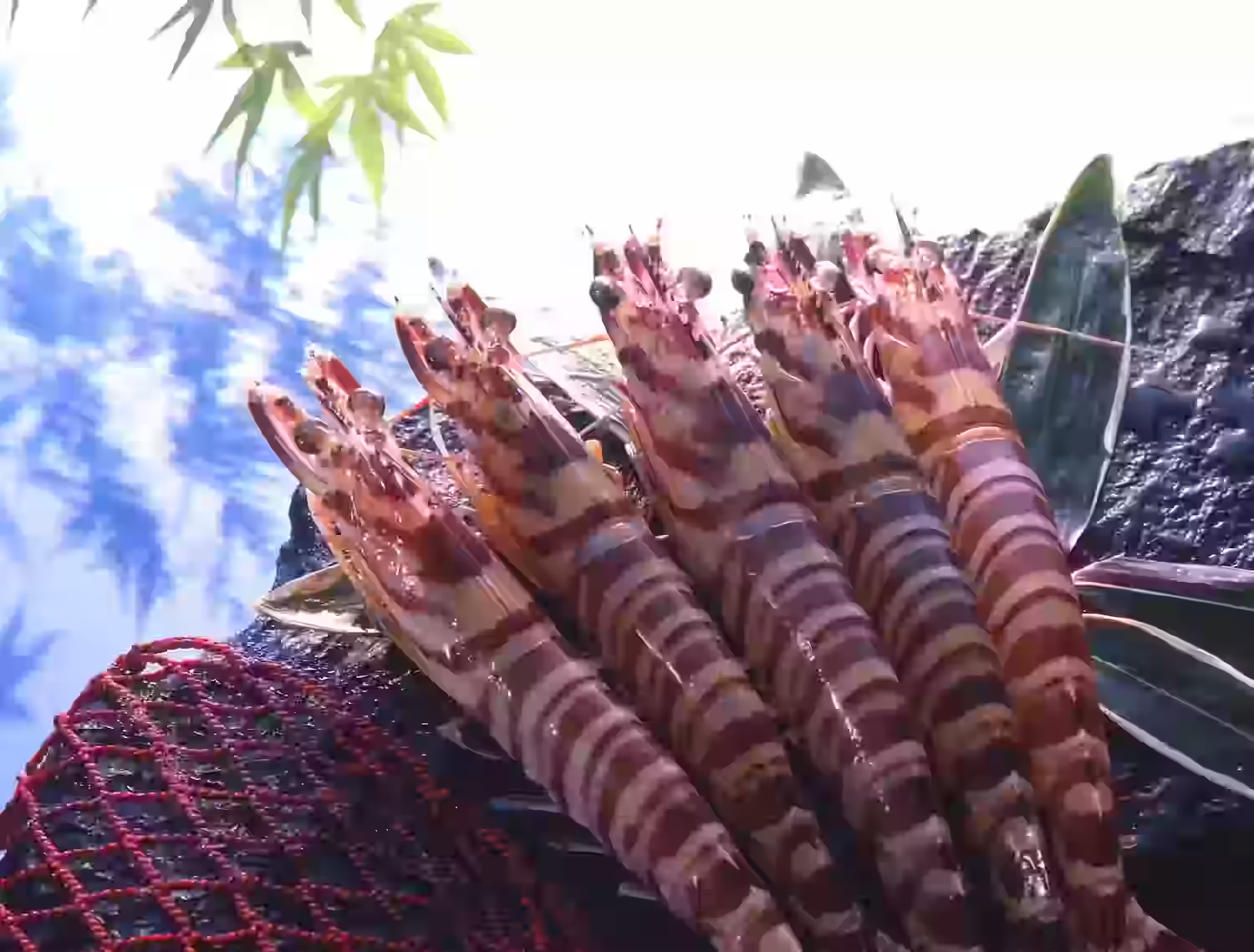
  • Himeshima kuruma prawns, striped farm-raised prawns from Oita
    Himeshima Kuruma Prawn (姫島車えび)
  • Milky Berry Strawberry - ミルキーベリー
    Milky Berry (ミルキーベリー)
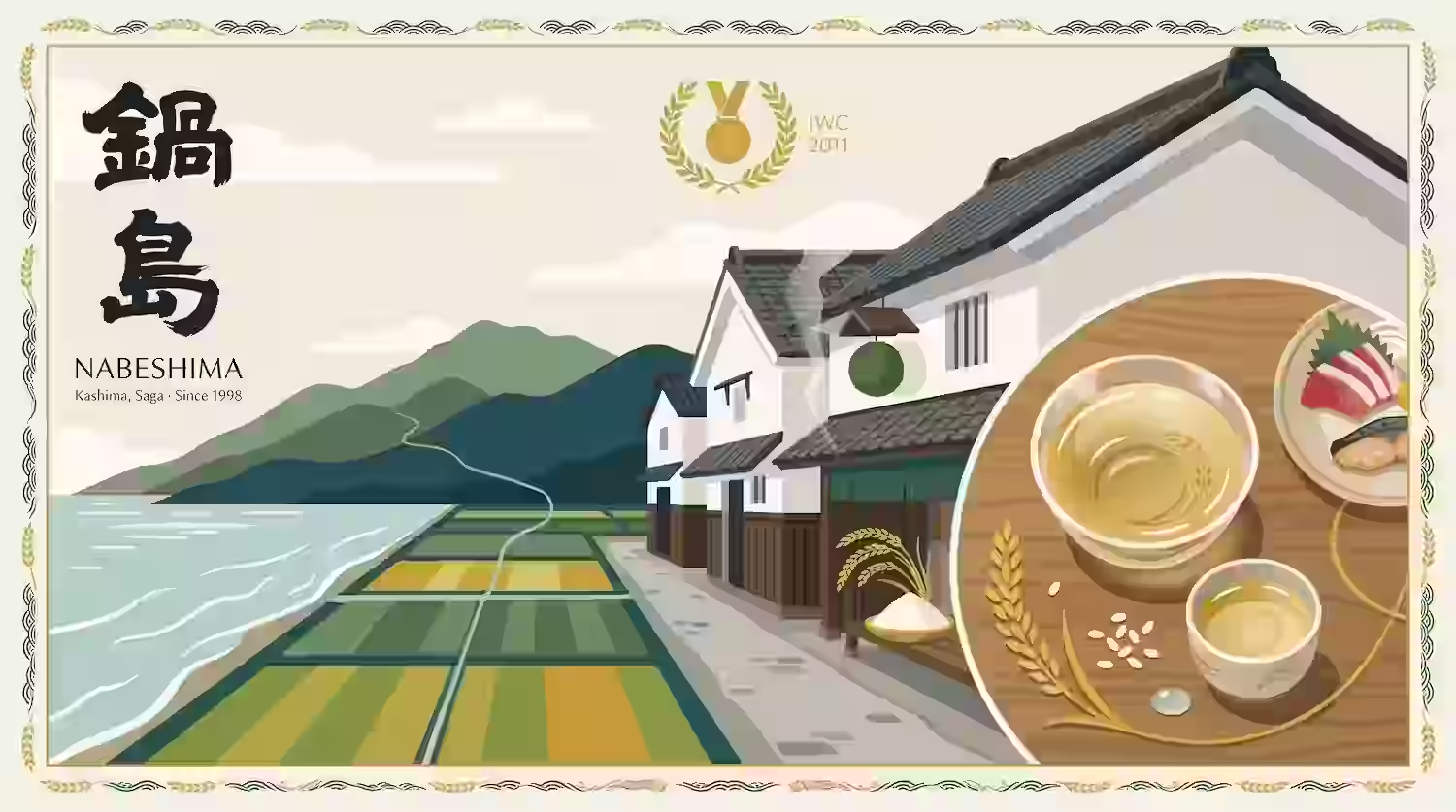
  • Nabeshima sake poster showing the Saga coast, rice fields, a brewery street, the IWC 2011 medal and a cup of sake
    Nabeshima Sake: Saga’s Award-Winning Japanese Sake Brand
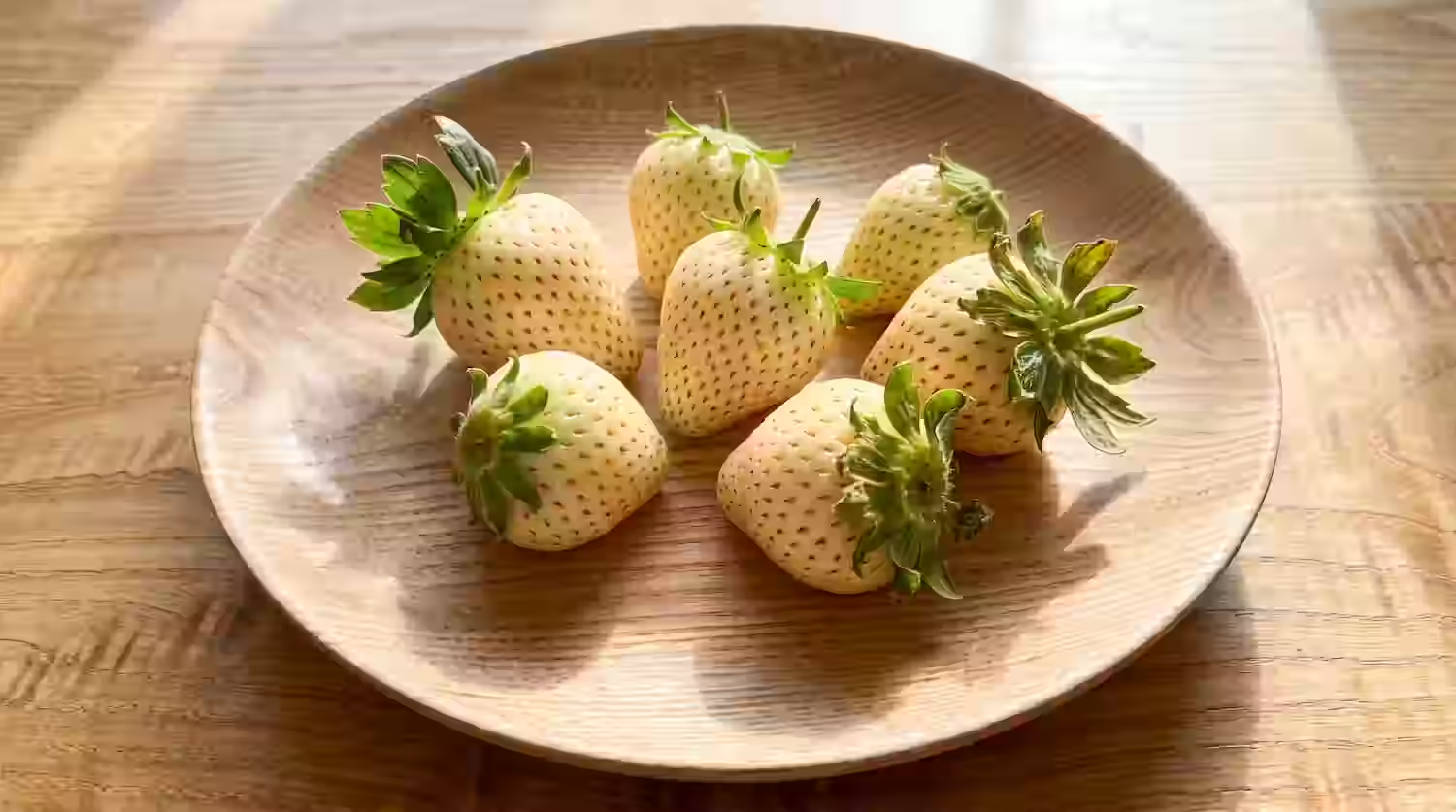
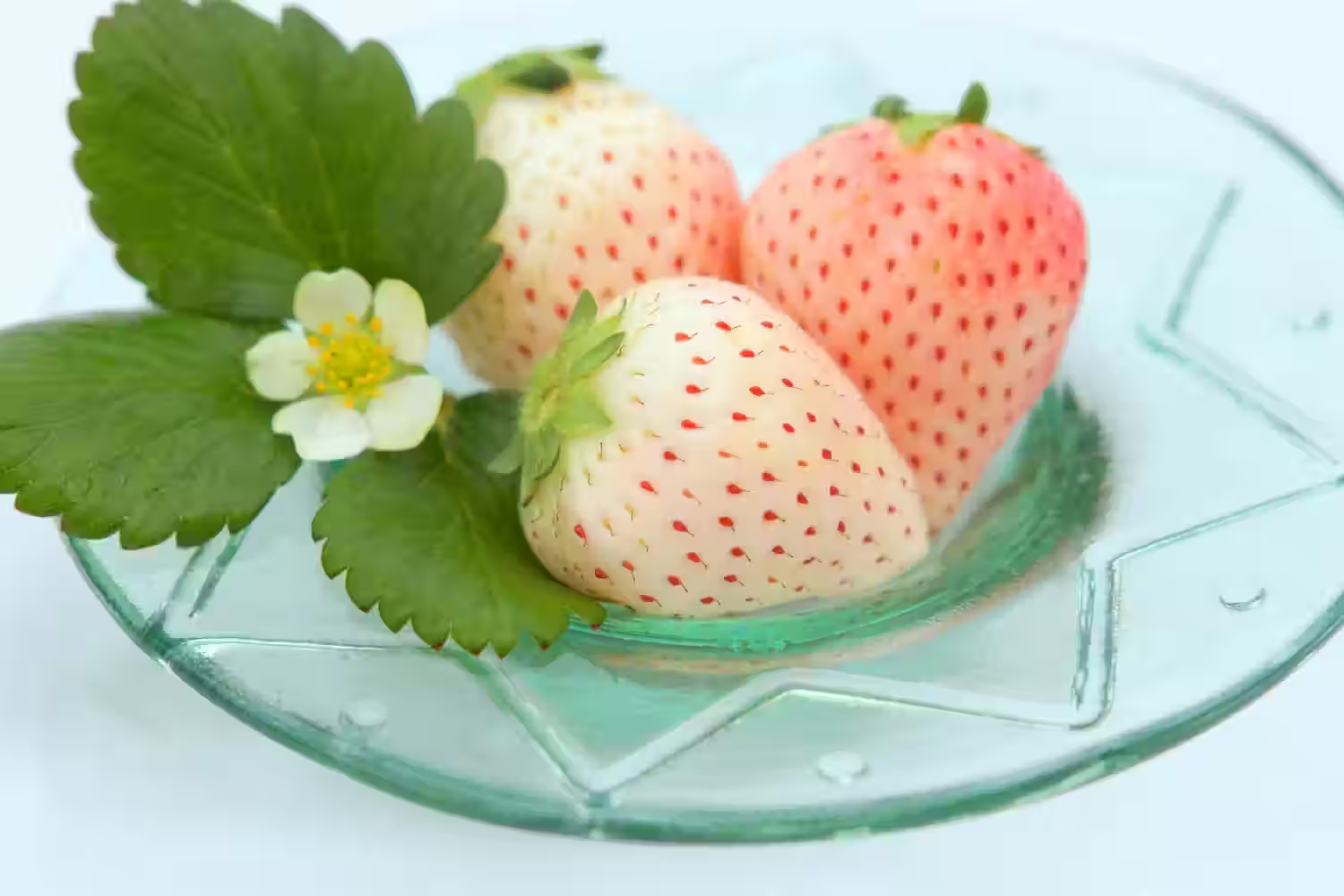
  • Three Hatsukoi no Kaori white strawberries with a strawberry flower and leaves on a pale green glass plate
    Hatsukoi no Kaori (初恋の香り)
Food in Japan
About Japanese Food & Traditional Foods of Japan | Food in Japan
Food in Japan
  1. Home
  2. Search results for “Don”

Search results for “Don”

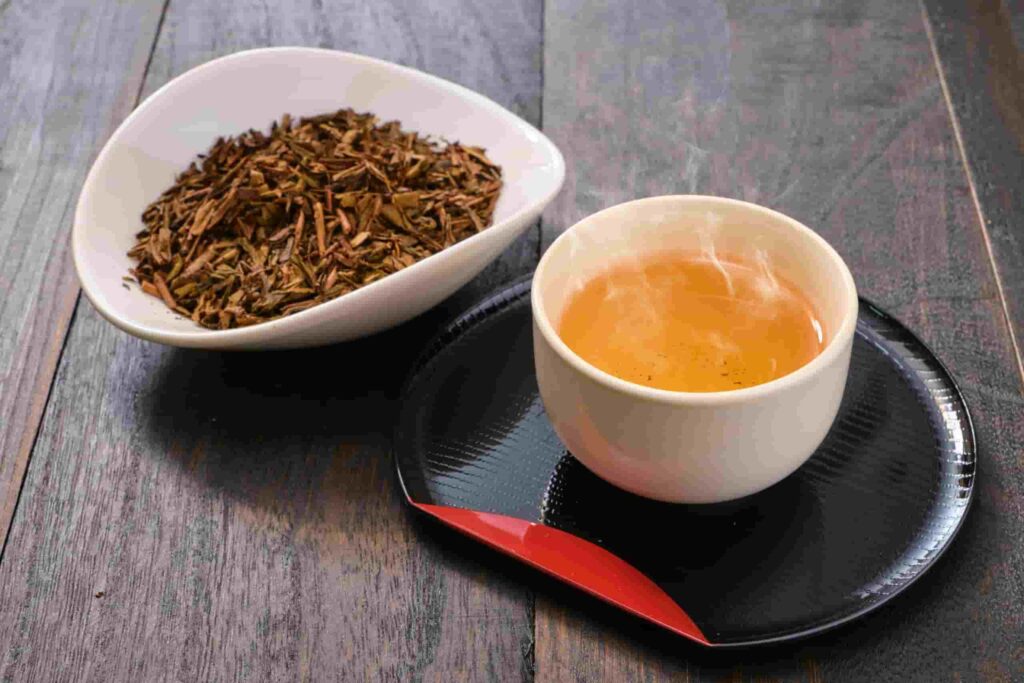
  • A cup of golden-brown karigane hojicha served on a black tray with loose roasted tea stems in a white dish.
    Type

    Karigane Hōjicha (雁が音ほうじ茶)

    Karigane Hōjicha (雁が音ほうじ茶) is a roasted Japanese tea. Producers make it from karigane: the stems, stalks, and leaf veins they sort out while processing gyokuro and other high-grade, shade-grown tea. It starts from gyokuro-grade pl...
    September 17, 2026
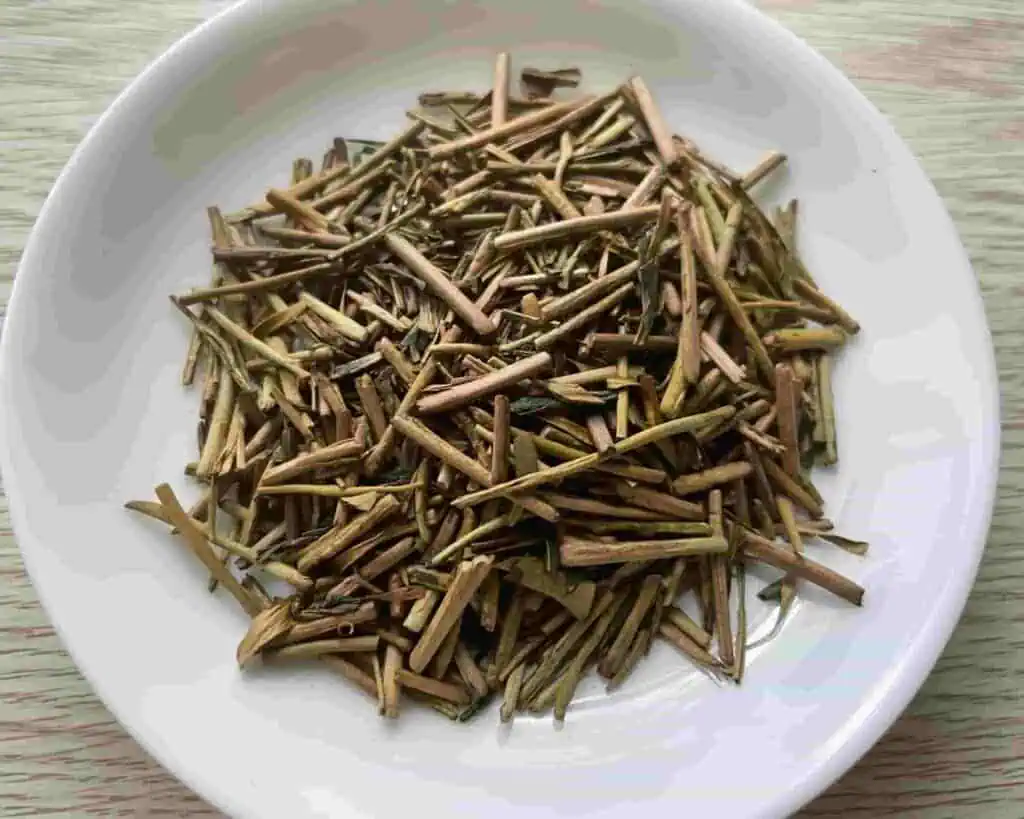
  • Kaga Bocha roasted tea stems on a white plate
    Type

    Kaga Bōcha (加賀棒茶)

    Kaga Bōcha (加賀棒茶) is a roasted Japanese tea made almost entirely from tea stems rather than leaves. It comes from Kanazawa, in Ishikawa Prefecture. Dozens of local roasting houses there turn separated tea stems into a naturally sweet...
    September 14, 2026
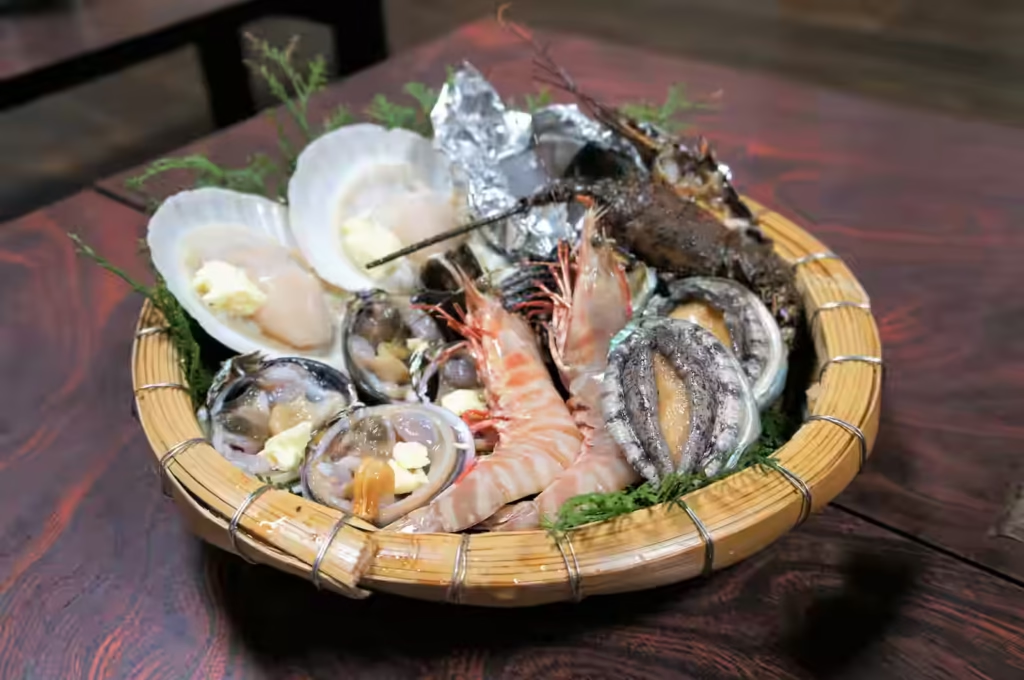
  • kaizoku ryori
    Japanese Seafood

    Kaizoku Ryori (海賊料理)

    Kaizoku Ryori translates as pirate cuisine, and it means grilling seafood yourself at the table in southern Tokushima. Spiny lobster, abalone, turban shells, and scallops go straight onto a mesh grill in front of you. Some restaurants si...
    September 13, 2026
  • A cup of golden-brown sannenbancha tea served in a white cup on a dark wooden saucer.
    Type

    Sannen Bancha (三年番茶)

    Sannen Bancha (三年番茶), or "three-year bancha," is a Japanese tea named for its production timeline, not a single home region. Producers either age mature tea leaves and stems for three years before roasting them. Or they let a tea bus...
    September 12, 2026September 14, 2026
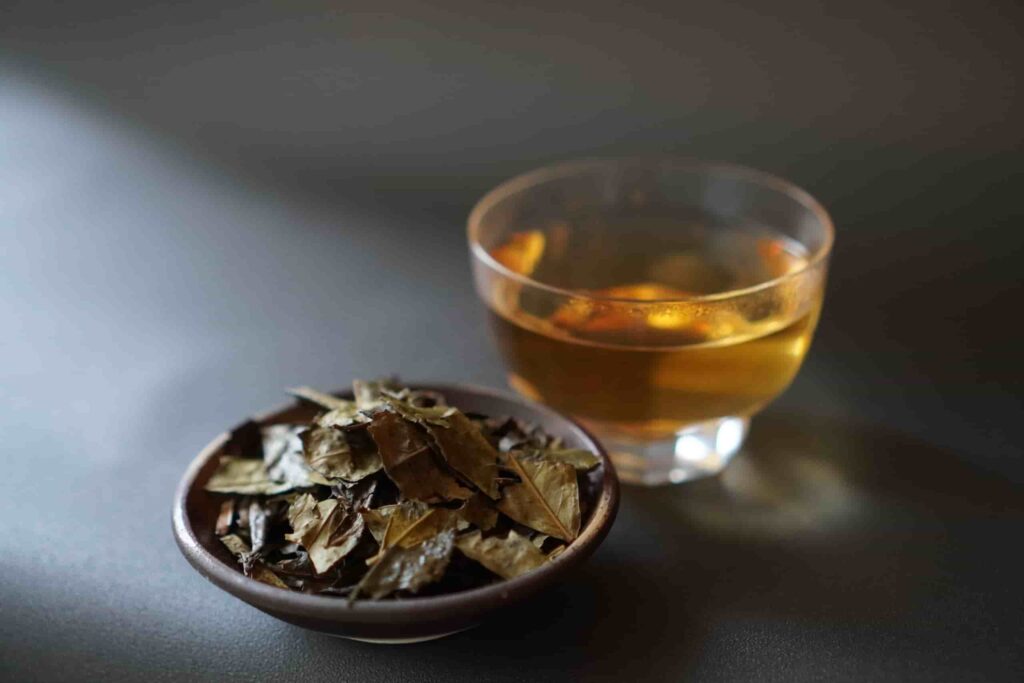
  • A glass cup of golden-brown tea on a table, with a blurred bowl of dark tea leaves in the background.with leaves
    Type

    Kyobancha(京番茶)

    Kyobancha (京番茶), also sold as Iribancha, is Kyoto's own style of roasted green tea: large, unrolled leaves with an intensely smoky aroma, brewed into a surprisingly mellow, low-bitterness cup. It's made from the coarse, mature leaves ...
    September 9, 2026September 12, 2026
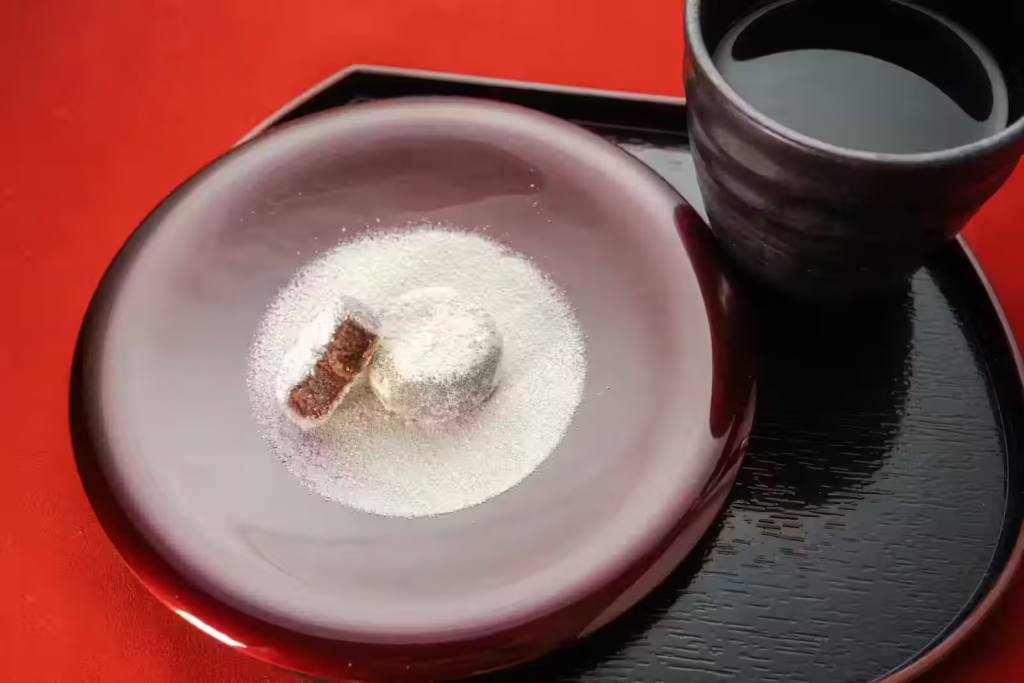
  • seki no to
    Japanese Sweets

    Seki no To (関の戸)

    Seki no To (関の戸) is a bite-sized Japanese sweet from Seki-juku, an old post town in Kameyama, Mie Prefecture. One small shop wraps smooth red bean paste in gyuhi, a soft rice dough, then dusts the whole thing in wasanbon sugar. That p...
    September 8, 2026
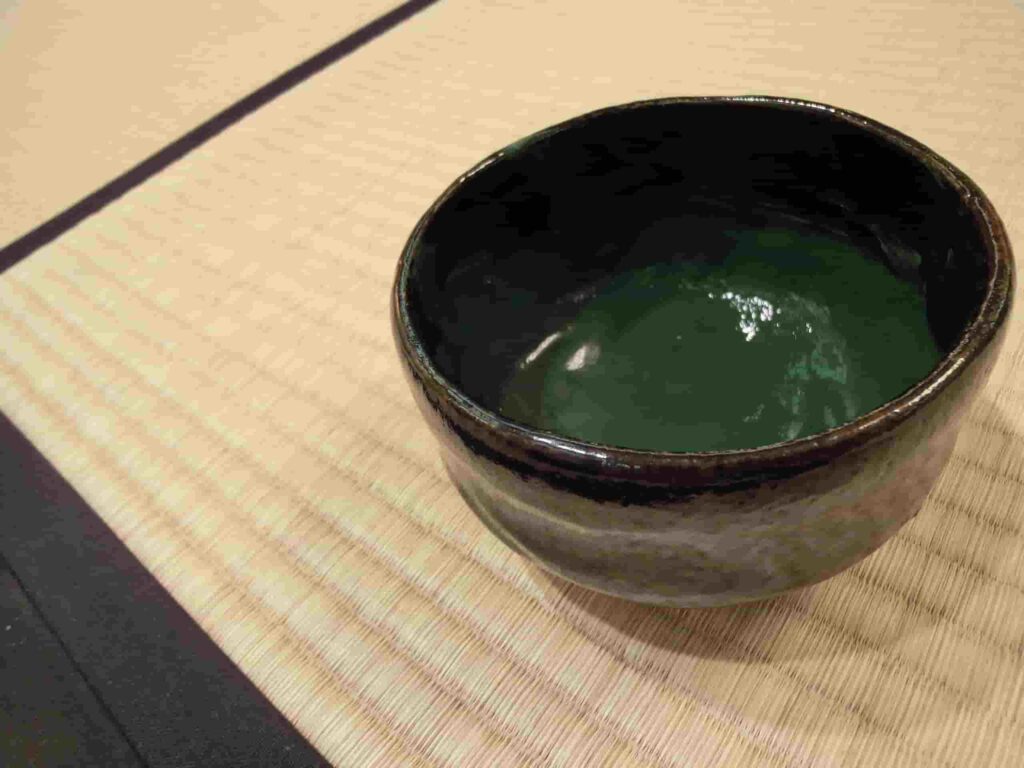
  • A bowl of thick green koicha tea in a dark ceramic tea bowl on a tatami mat.
    Type

    Bancha(番茶)

    Bancha (番茶) is Japan's everyday green tea. It's an inexpensive, mild-tasting brew made from more mature leaves, picked later in the season than the tender young growth used for sencha or gyokuro. Many households in Japan keep it in the...
    September 8, 2026September 13, 2026
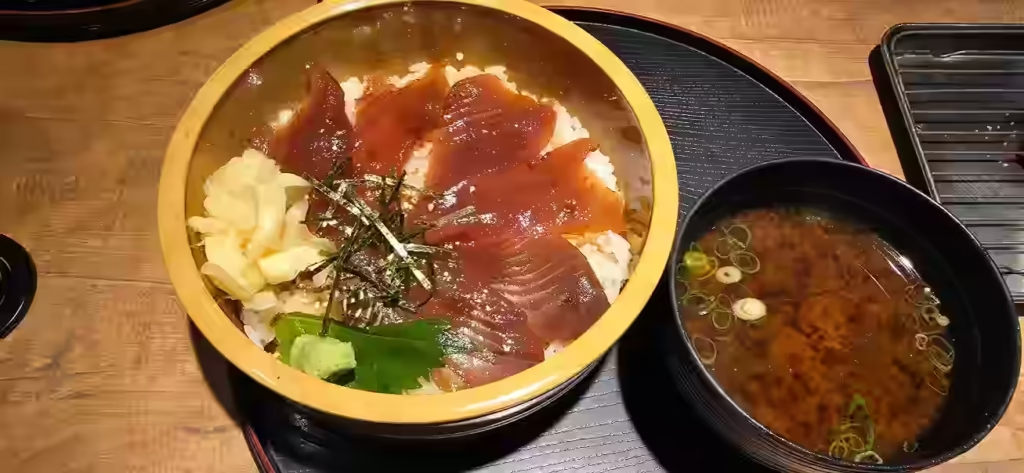
  • tekone zushi
    Japanese Sushi

    Tekonezushi (てこねずし)

    Tekonezushi is a traditional regional sushi dish from Mie Prefecture, made with red-fleshed fish marinated in a soy sauce tare and folded through vinegared rice. Bonito is the classic choice, though tuna appears often. Shiso, ginger and ...
    September 7, 2026
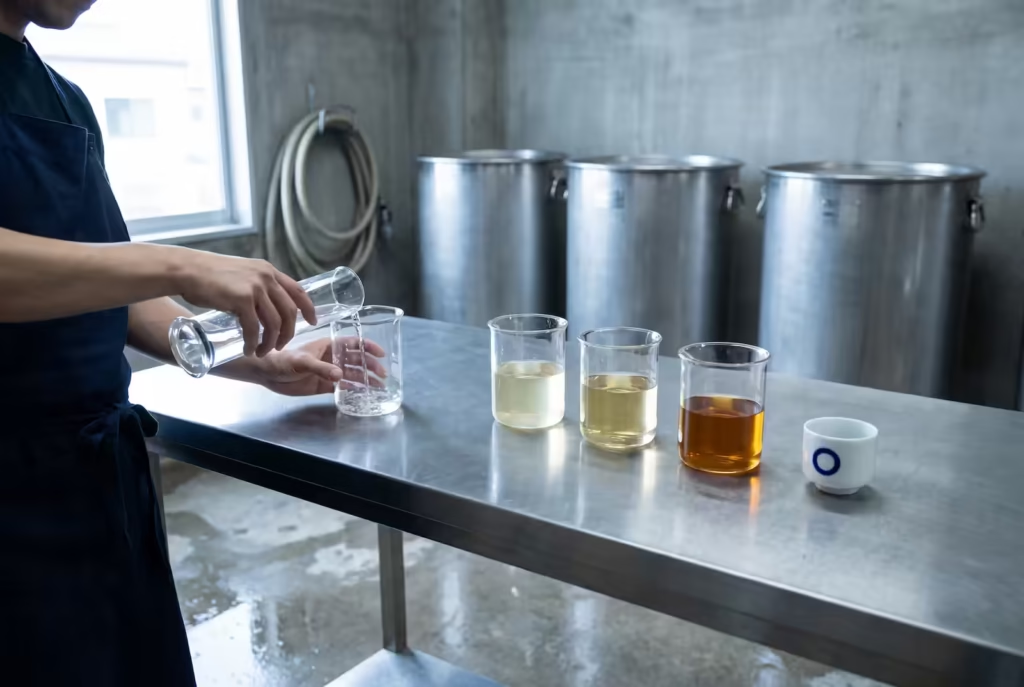
  • Chogo (調合) Blending and Adjusting Sake for Consistent Quality
    Brewing

    Chogo (調合): Blending and Adjusting Sake for Consistent Quality

    Two tanks of sake sit side by side in a storage building. Same rice, same yeast, same recipe, same brewing season. Yet one tastes rounder, while the other carries sharper acidity. So what happens next? Somebody tastes both, then decides ...
    September 5, 2026
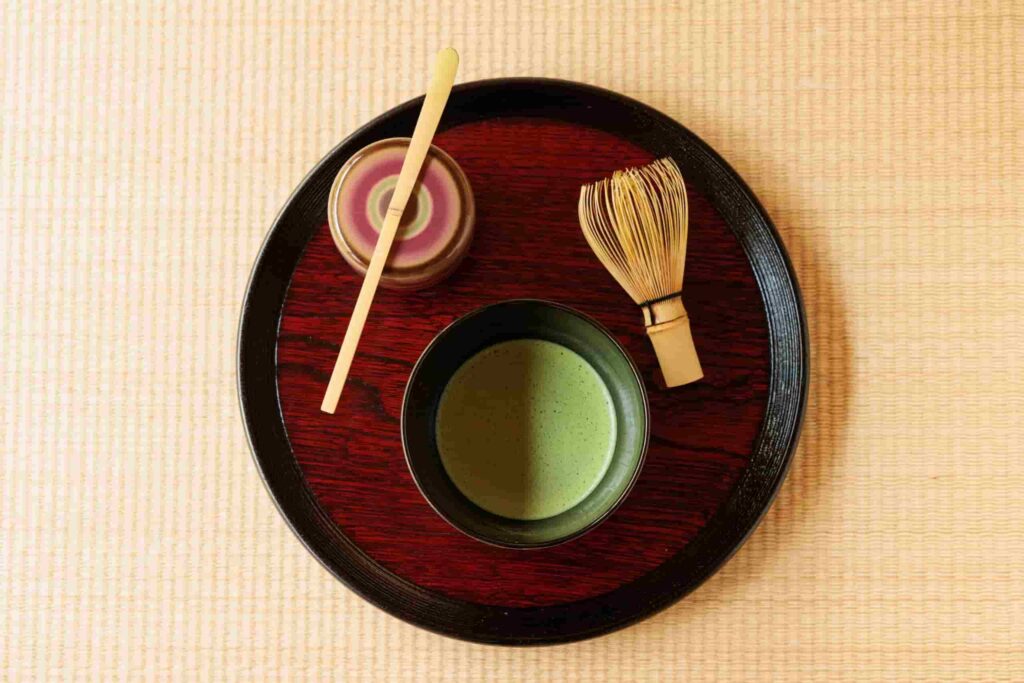
  • A bowl of usucha matcha tea with a bamboo whisk and matcha scoop on a traditional Japanese tea tray.
    Type

    Usucha(薄茶)

    Usucha (薄茶), or "thin tea," is the light, faintly foamy bowl of whisked matcha. It's what most people picture when they imagine Japanese tea. You whisk it briskly with a bamboo chasen until the surface turns pale green and lightly frot...
    September 4, 2026
1...678910...66
Language
  • Español
  • Français
  • 中文 (繁体字)
  • 한국어
  • 中文 (簡体字)
  • 日本語
  • ไทย
  • Tiếng Việt
  • Bahasa Indonesia
  • Deutsch
Explore 📚 Japan Food GuideStart here: dishes, regions and how to eat →
📍Japanese Food by Area 🍴Japanese Food by Type 📷Japanese Food by Photo 📋Japanese Food Articles
Editor's Picks
🍣Edomae SushiTokyo sushi guide→ 🍤TempuraLight, crisp deep-fried classics→ 🍲Chanko NabeSumo stable hot pot→ 🍛Japanese Curry RiceComfort food→ 🍙UmeboshiSalt-pickled Japanese plums→ 🥞DorayakiRed bean pancake sweets→
Recent Posts
  • Himeshima kuruma prawns, striped farm-raised prawns from Oita
    Himeshima Kuruma Prawn (姫島車えび)
    October 18, 2026
  • Milky Berry Strawberry - ミルキーベリー
    Milky Berry (ミルキーベリー)
    October 18, 2026
  • Nabeshima sake poster showing the Saga coast, rice fields, a brewery street, the IWC 2011 medal and a cup of sake
    Nabeshima Sake: Saga’s Award-Winning Japanese Sake Brand
    October 18, 2026
  • Three Hatsukoi no Kaori white strawberries with a strawberry flower and leaves on a pale green glass plate
    Hatsukoi no Kaori (初恋の香り)
    October 17, 2026
  • ooita wagyu - おおいた和牛
    Oita Wagyu: A Guide to Oita’s Premium Japanese Beef
    October 17, 2026
  • Kokuryu Sake
    Kokuryu Sake: The Fukui Brewery That Helped Pioneer Premium Daiginjo
    October 16, 2026
🍶
Japanese Sake Guide
Styles, brands, brewing and how to drink.
  • Types of Sake→
  • Sake Brands→
  • Sake Regions→
  • How Sake Is Made→
  • How to Drink Sake→
Written in Japan from Japanese-language primary sources.
食
Food in Japan

Your complete guide to Japanese food:
regional specialties, iconic dishes, and more.

📚 Japan Food GuideStart here: dishes, regions and how to eat →
📍Japanese Food by Area 🍴Japanese Food by Type 📷Japanese Food by Photo 📋Japanese Food Articles

Language

Food by Type

🍜 Noodles & Rice

  • Ramen
  • Noodles
  • Sushi
  • Rice Dishes & Bento

🥩 Meat & Seafood

  • Wagyu
  • Meat
  • Seafood

🍲 Everyday & Traditional Dishes

  • Hot Pot, Soups & Oden
  • Fried Food & Yoshoku
  • Tofu, Soy & Eggs
  • Kaiseki & Traditional Cuisine

🥢 Street Food

  • Street Food
  • Okonomiyaki & Takoyaki
  • Gyoza

🥬 Ingredients & Pantry

  • Vegetables
  • Pickles
  • Seasonings & Pantry

🍡 Sweets & Snacks

  • Wagashi
  • Snacks
  • Bakery & Western-style Sweets
  • Fruit

🍶 Drinks

  • Sake
  • Whisky
  • Shochu, Umeshu & Other Alcohol
  • Tea
  • Coffee & Soft Drinks
View All Japanese Food Types→

Food by Area

Hokkaido

  • Hokkaido 北海道

Tohoku

  • Aomori 青森
  • Miyagi 宮城
  • All Tohoku

Kanto

  • Tokyo 東京
  • Kanagawa 神奈川
  • All Kanto

Chubu

  • Aichi 愛知
  • Nagano 長野
  • All Chubu

Kansai

  • Osaka 大阪
  • Kyoto 京都
  • All Kansai

Chugoku / Shikoku

  • Hiroshima 広島
  • Kagawa 香川
  • Chugoku
  • Shikoku

Kyushu & Okinawa

  • Fukuoka 福岡
  • Okinawa 沖縄
  • All Kyushu
View All Areas→
  • About
  • Editorial Policy
  • Contact
  • Privacy Policy

Written in Japan from Japanese-language primary sources. Where a figure cannot be traced to a source, we say so. How we work

© 2019-2026 Food in Japan.org

Language
  • ENEnglish
  • JA日本語
  • 繁繁體中文
  • 简简体中文
  • KO한국어
  • ESEspañol
  • FRFrançais
  • DEDeutsch
  • THไทย
  • VITiếng Việt
  • IDBahasa Indonesia