




Japan has hundreds of regional ramen styles. Most follow familiar patterns: rich pork broth, soy sauce base, topped with slices of chashu and a soft-boiled egg. Mito stamina ramen does not follow that pattern at all. It arrives thick with a glistening sweet-and-spicy sauce. The toppings include liver, pumpkin, and cabbage. The noodles sit underneath, coated rather than floating in broth. The first impression can be genuinely confusing for anyone expecting a classic bowl. And then you take a bite, and everything makes sense.
What Is Mito Stamina Ramen?
Stamina ramen is a bowl of thick noodles topped with an ankake sauce. “Ankake” refers to a starchy, thickened sauce that clings to food rather than pooling beneath it. In this case, the sauce is soy-sauce-based with a sweet and spicy flavor. The toppings cooked into it are generous: liver, pumpkin, and cabbage form the core. Carrots, Chinese chives, and onions often appear depending on the shop.
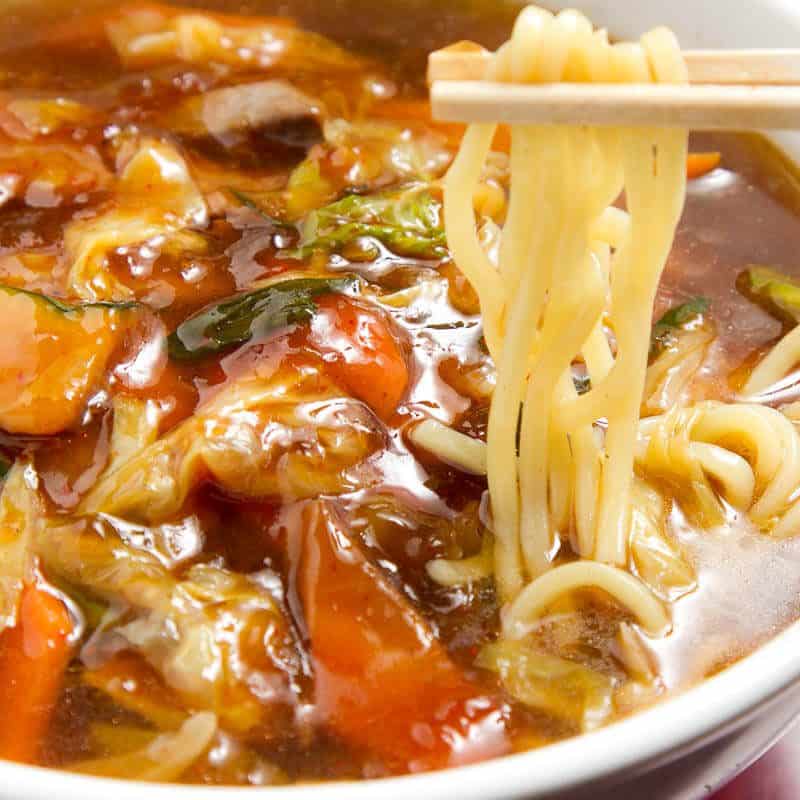
The noodles are thick. They need to be. A thinner noodle would be overwhelmed by the sauce. The chewiness of the noodles creates a counterweight to the dense, glossy topping.
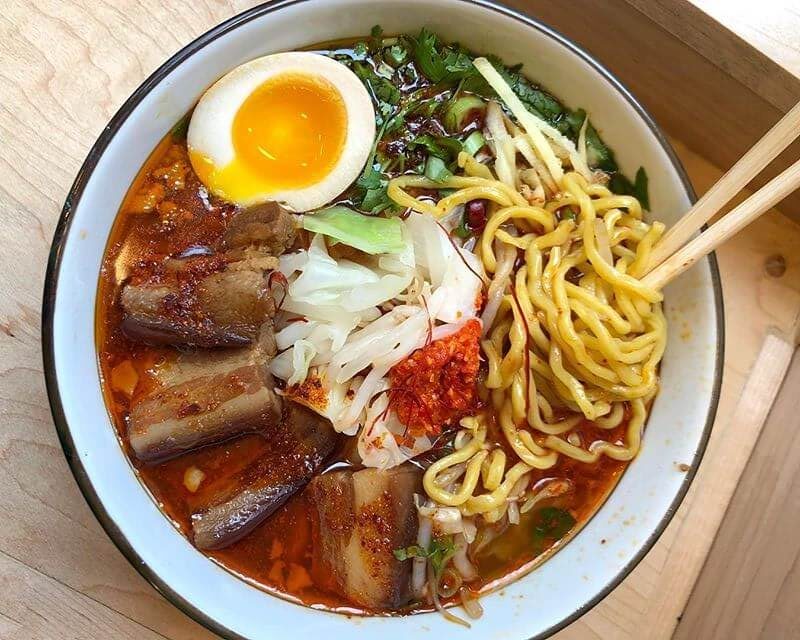
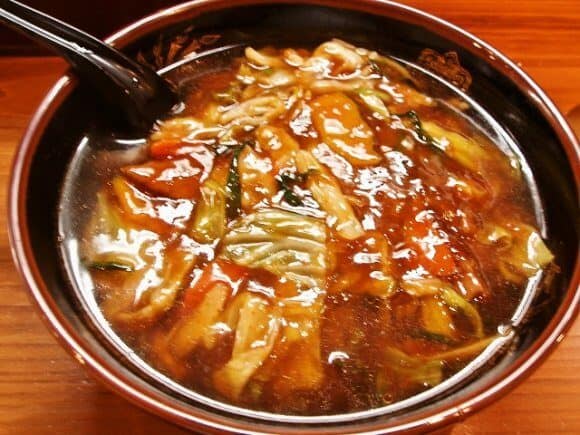
You might wonder where the soup is. There are two versions. “Stamina hot” is the traditional style with a small amount of chicken-based broth beneath the ankake. “Stamina cold” is a soupless version served with chilled noodles and the same warm topping poured directly over them. The contrast of cold noodles and hot ankake is unusual. It is also, for many people, the preferred way to eat it.
The Flavor in Detail
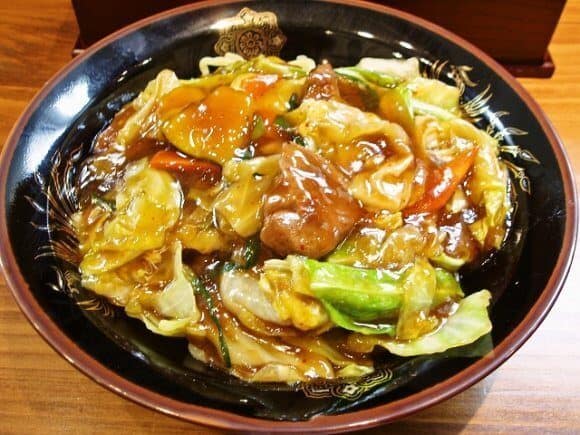
The ankake sauce carries the dish. It is built from soy sauce, sugar, and seasoning, thickened with starch until it coats a spoon. The flavor is simultaneously savory and mildly sweet, with a gentle heat underneath. It is not aggressively spicy. The sweetness rounds out the soy base in a way that feels almost caramelized.
Liver is the protein here. In most Japanese ramen, it does not appear at all. Here, it is central. When properly prepared, the liver is soft, with a faint bitterness that works surprisingly well against the sweet sauce. It adds depth. Some shops slice it thin, some leave it in larger pieces. The good ones show no trace of the iron-heavy gaminess that makes liver off-putting when it is handled carelessly.
Pumpkin adds a natural sweetness and a soft, almost melting texture. It absorbs the sauce completely. Cabbage brings a slight crunch. Together, the three main toppings create an unexpectedly varied bowl in texture and flavor. Nothing is redundant. Each element earns its place.
The noodles themselves are thick and slightly wavy. They carry the sauce in their folds. Each strand arrives fully coated. Eating this bowl slowly is genuinely difficult.
Why Stamina Ramen Belongs to Mito
Ibaraki is not immediately famous for its food. Visitors tend to focus on natto, the fermented soybean specialty that defines the prefecture for most of Japan. But locals know that Ibaraki’s food culture runs deeper than that. The region has rich agricultural land, seafood from the Pacific, and a long history of self-sufficient cooking.
Stamina ramen grew from that culture of resourcefulness. Liver was a cut that slaughterhouses threw away in the postwar era. Pumpkin and cabbage were the kind of hardy vegetables every home in Ibaraki grew. The dish was affordable, nutritious, and filling. It made economic sense before it became a local identity.
There is also a particular Mito connection to ramen as a concept. Tokugawa Mitsukuni, the famous lord of the Mito domain in the Edo period, is widely believed to have been the first Japanese person to eat ramen. He received Chinese noodle dishes from a scholar of Chinese studies and reportedly enjoyed them. That history gives ramen a symbolic resonance in Mito that most cities cannot claim. Stamina ramen fits naturally into that legacy.
The History: From Thrown-Away Ingredients to Regional Pride
The story of stamina ramen begins in the early 1970s. A ramen shop called Daishin, located near Katsuta Station in what is now Hitachinaka City, was experimenting with ways to make ramen more nutritious and affordable. The shop’s manager at the time, a man named Junichi Nagai, began developing an ankake-style ramen using liver and vegetables.
The logic was straightforward. Liver was cheap because no one wanted it. Pumpkin and cabbage were plentiful and inexpensive. Combining them in a thick, flavorful sauce over noodles produced a meal with real nutritional value, at a price that working-class customers could afford. The dish worked.
It was named “stamina ramen” around this period. The name reflected the feeling of the bowl: substantial, energizing, built to keep you going. That naming instinct was right. The dish spread.
Nagai later moved to Mito City and opened his own restaurant, carrying the stamina ramen concept with him. Other shops in the area adopted the style. Each developed its own interpretation of the ankake sauce, its own noodle thickness, its own balance of liver to vegetable. Within a decade, the dish had taken root across Hitachinaka and Mito as a local standard.
Today, over forty restaurants in Ibaraki serve stamina ramen. Most are concentrated in Mito and Hitachinaka. Each shop guards its sauce recipe carefully. The variation between them is real. The miso base is often different from shop to shop, some using red miso, some white, some a blend. The level of heat varies. The proportion of liver to pumpkin shifts. Visiting multiple shops to compare is a legitimate pursuit, and local ramen enthusiasts do exactly that.
Above is what they called Stamina Ramen Chilled and below is the soup form called Stamina Ramen Hot.
Stamina Ramen and the Broader Ramen Landscape
Japan’s regional ramen culture is richly varied. Shoyu ramen from Tokyo is clean and light. Hakata-style tonkotsu is rich and creamy with thin noodles. Sapporo miso ramen is bold and warming. Stamina ramen does not resemble any of them.
What makes it stand out is the ankake technique. Almost no other regional ramen uses a starchy thickened sauce as its primary component. The concept comes closer to a donburi topping than a conventional ramen. In a sense, stamina ramen is its own category, borrowing the noodle format from ramen but building the flavor profile from a completely different tradition.
The cold version reinforces this distinctiveness. Serving warm, thick sauce over cold noodles is not a ramen convention. It is something Ibaraki developed on its own terms. The temperature contrast makes the bowl feel active and dynamic in a way that a conventional hot noodle soup cannot replicate.
Where can I eat stamina ramen?
Our journey will take us to the Ibaraki Prefecture as we taste some of the most appetizing ramen ever. Given its popularity and how much of a regional highlight it is, it will not be hard to find.
Stamina Ramen Matsugoro
The first place we are directing you to is the place known for the ramen. It is the place that started it all and who we have to thank for this amazing flavor. First opened by Junichi Nagai, they are now on their second generation of owners and they welcome all newcomers to try their widely popular Ibaraki Stamina Ramen. The store is hugely popular as it is the original stamina ramen shop with many customers crowding it daily. It is worth the wait as you try either the hot or chilled stamina ramen, then experience a mouthful of deliciousness. You can also increase the size of the bowls to satisfy any hunger. It does not only have the symbolic representation, but it is also one of the best restaurants in Mito City. It is a must go to place to experience the ramen.
Junchan
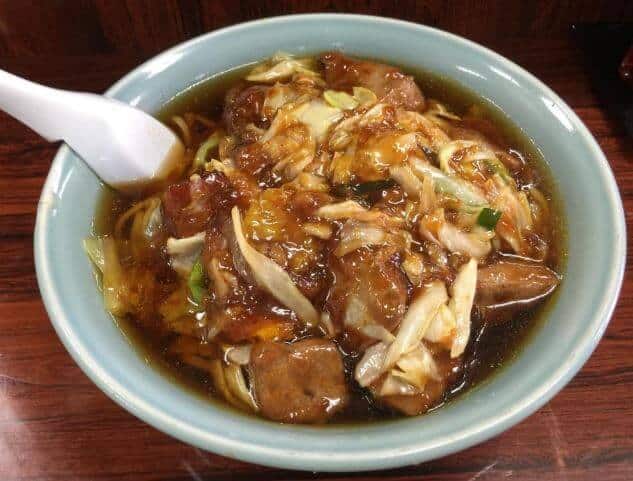
Next up we have the delicious ramen at Junchan. Enjoy large fresh slices of liver and experience its unique aroma. Order as many ingredients as you want to satisfy your stomach with its incremental servings. They are known to serve great chilled stamina ramen for those hot days. The ramen here will be sure to give you that boost to your stamina you are looking for.
Stamina Ramen Gamushara
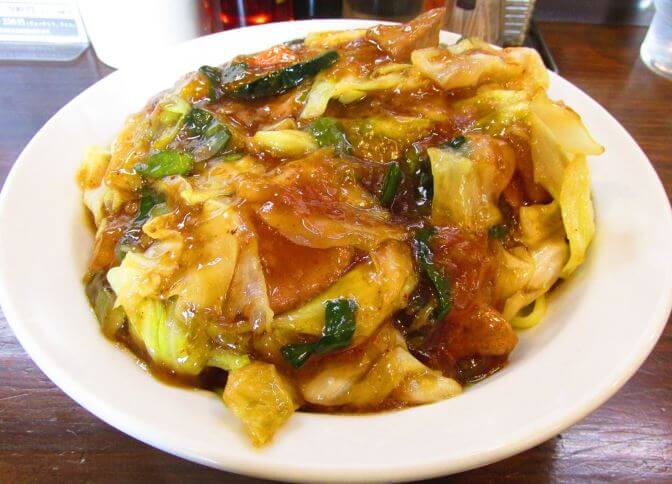
Here is a highly rated restaurant in Tsukuba, spreading the joy of ramen throughout the Ibaraki prefecture. Enjoy either the cold stamina ramen or the hot version, perfect for any time of the year. There is a good balance of liver and vegetables to enjoy with the size of the serving being up to you and your wallet. You can enjoy a variety of good dishes here, but their delicious stamina ramen is what people come here for.
Stamina Ramen M’s
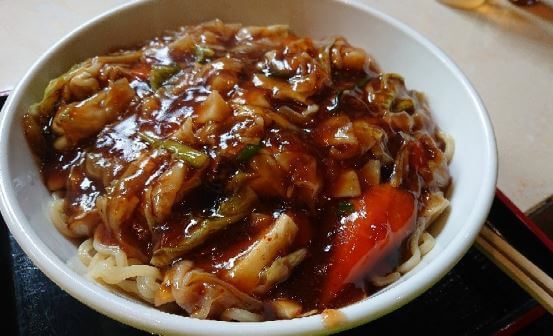
In Hitachinaka City for some nice stamina ramen? Well, here is a great place for it. Conveniently located near JR Katsuta Station and is a very nice trendy shop with a great taste. Try their delicious and affordable one that bring in the customers. They truly bring out the juiciness of the liver with their nice and crisp fried Tatsuta and amazing seasoning. You will get plenty of vegetables in mouth watering sauce, filling your stamina right up. This shop is loved by many and say it is their favorite one among all the ramen shops that are popping up now.
Minna No Daidokoro Garyu Shokudo
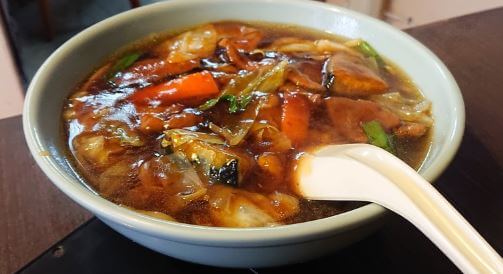
Another great restaurant in Mito city. Enjoy your sweet and spicy bowl of thick noodles with liver and plenty of vegetables in either hot or cold style here. It is a highly rated restaurant in Mito City, where the ramen is recommended. This little gem of a restaurant is located on the second floor of the building. Get back your stamina from going up those stairs with a nice bowl of the ramen.
Another Ramen in Japan
There are so many ramen in Japan. Sapporo Ramen, Asahikawa Ramen, and so on.
Check here for another ramen in Japan.
References
- MAFF: Stamina Ramen – Regional Cuisines of Japan
- Ramen Adventures: Matsugoro in Mito, Ibaraki Prefecture




Comments