





Ibaraki Food Guide
Natto · Stamina Ramen · Ankou Nabe
Quick Facts — Ibaraki Local Food
| Prefecture | Ibaraki (茨城県) |
|---|---|
| Region | Kanto |
| Food Identity | Fermented foods, agricultural produce, fresh seafood |
| Famous Dishes | Natto, stamina ramen, ankou nabe, soboro natto, kenchin soba |
| Signature Flavor | Earthy, fermented, sweet-savory — umami-forward |
| Key Ingredients | Soybeans, melon, lotus root, ankou (monkfish), soba |
| Agricultural Rank | 3rd in Japan by production value |
| Best Known For | Natto capital of Japan · No. 1 melon producer |
Ibaraki Local CuisineWhat Makes Ibaraki Food Unique?
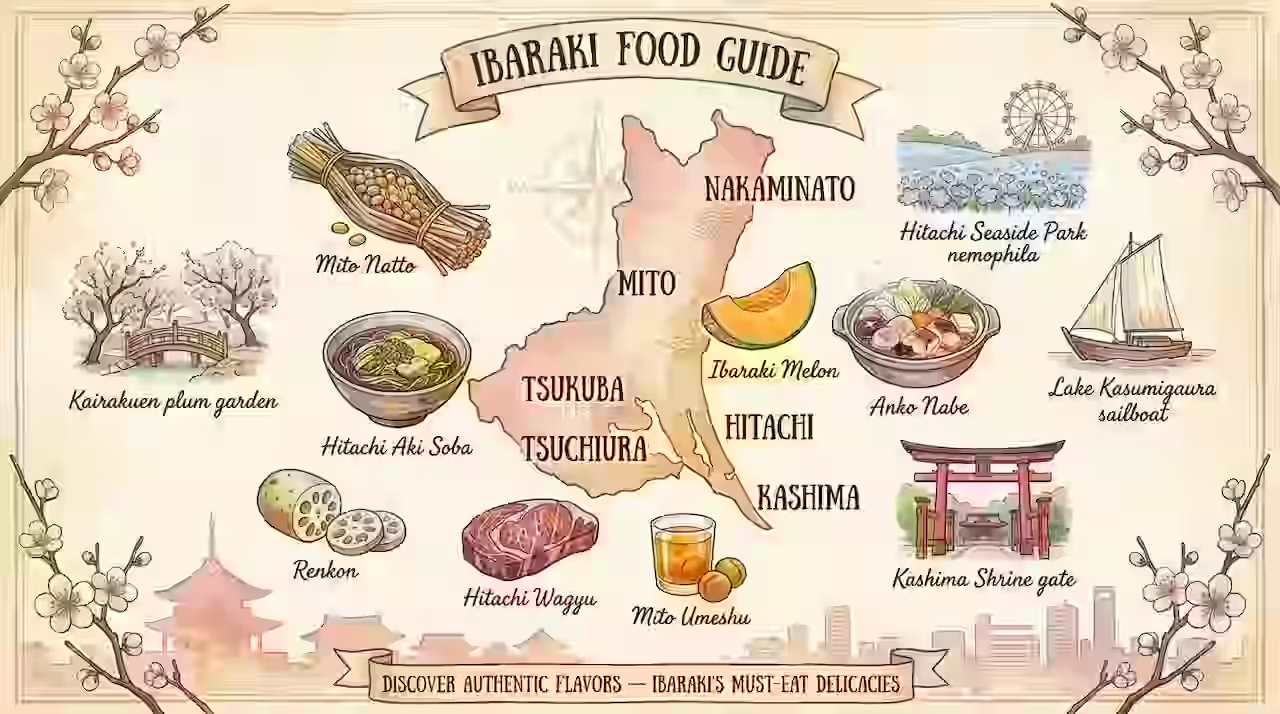
Ibaraki sits northeast of Tokyo, facing the Pacific Ocean to the east and bordered by fertile plains that stretch toward the Nasu highlands. Japan’s third-largest agricultural prefecture by production value, Ibaraki is often called “the kitchen of the Kanto region.” It produces more melon than any other prefecture in Japan, and its fermented soybean culture — centered on Mito — has shaped the national diet for centuries.
The Ibaraki local cuisine is honest and direct. Natto with pungent depth. Ankou nabe — monkfish hot pot — warm and rich against a winter coast. Stamina ramen, thick noodles under a sweet-spicy ankake sauce of liver and pumpkin, born in the back streets of Hitachinaka in the 1970s. Ibaraki’s food rarely chases prestige, but once you know it, it is hard to forget.
Mito is the prefectural capital and the symbolic home of natto. The city’s association with natto stretches back to the Edo period, and the plum trees of Kairakuen Garden — planted by the Tokugawa lord Nariaki in 1842 — gave rise to Mito umeshu, a plum liqueur that draws visitors every spring. For travelers wondering what to eat in Ibaraki, Mito is the natural starting point.
Best Local Dishes in Ibaraki
Must-try foods of the prefecture
 Signature
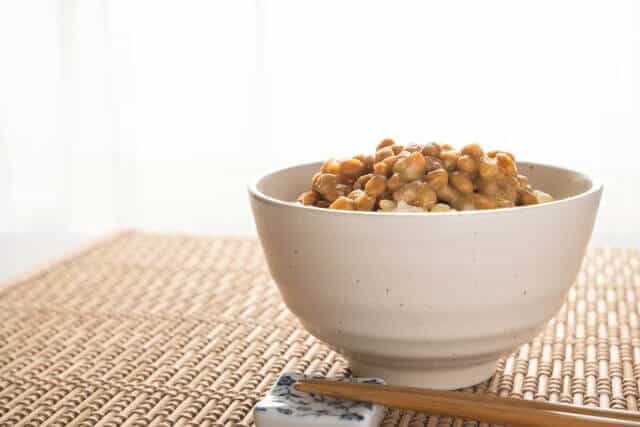
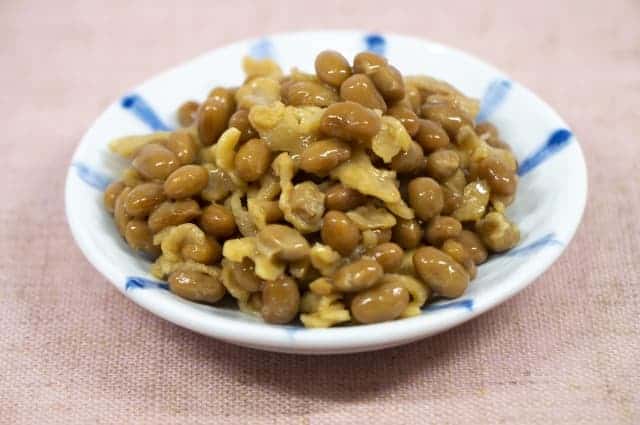
Natto (納豆)
なっとう · Mito specialty · Ibaraki local food
Fermented soybeans with a sticky texture and pungent aroma — the defining food of Ibaraki and a staple of the Japanese diet. Mito is considered the natto capital of Japan. One of the most famous foods Ibaraki is known for.
 Local
LocalSoboro Natto (そぼろ納豆)
そぼろ納豆 · Ibaraki local specialties
Natto mixed with finely shredded dried daikon radish, soaked in soy sauce and seasonings. A beloved Ibaraki home specialty listed among Japan’s 100 Best Local Dishes. A must-try natto dish unique to this region.
 Sweet
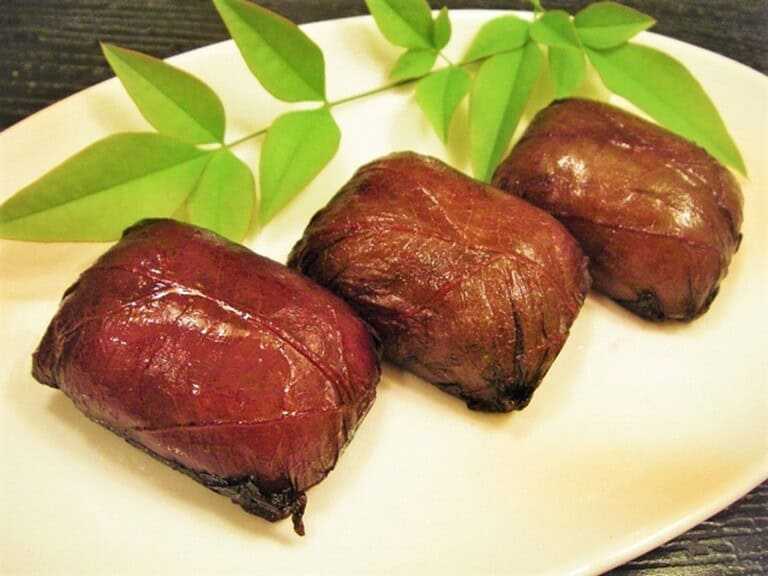
SweetMito no Ume (水戸の梅)
水戸の梅 · Mito souvenir sweet
Sweet bean paste wrapped in shiso leaves soaked in plum syrup — one of Mito’s most beloved confectionery souvenirs, tied to the plum blossom culture of Kairakuen Garden. An essential Ibaraki gourmet souvenir.

 Drink
DrinkMito Umeshu (水戸の梅酒)
水戸の梅酒 · Mito plum liqueur
Premium plum liqueur from Mito, made using ume fruit grown near Kairakuen Garden’s 3,000 plum trees. The five-year aged version, blended with honey and brandy, is particularly prized as an Ibaraki local specialty.
 Signature
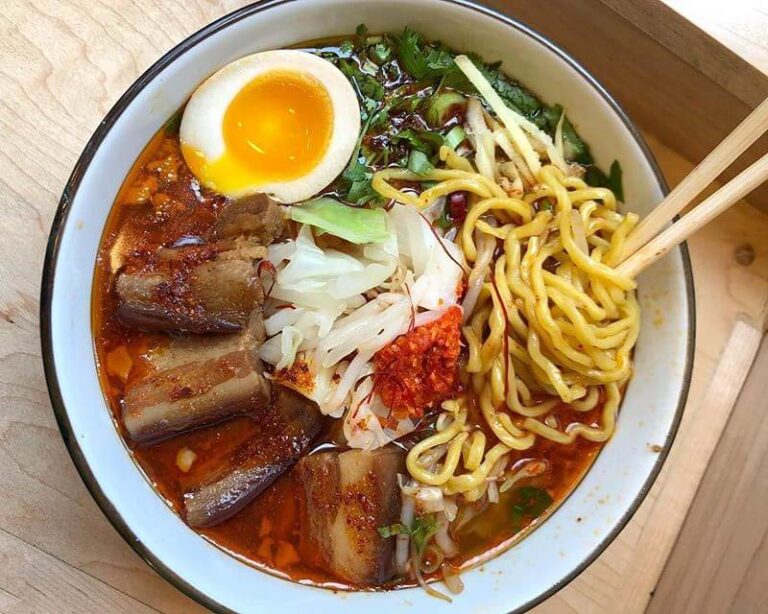
Stamina Ramen (スタミナラーメン)
スタミナラーメン · Mito / Hitachinaka
Thick noodles topped with a sweet-spicy ankake sauce of liver, pumpkin, and cabbage. Born in Hitachinaka in the early 1970s, this hearty bowl is Ibaraki’s most distinctive ramen style and a top must-try dish in the prefecture.
 Local
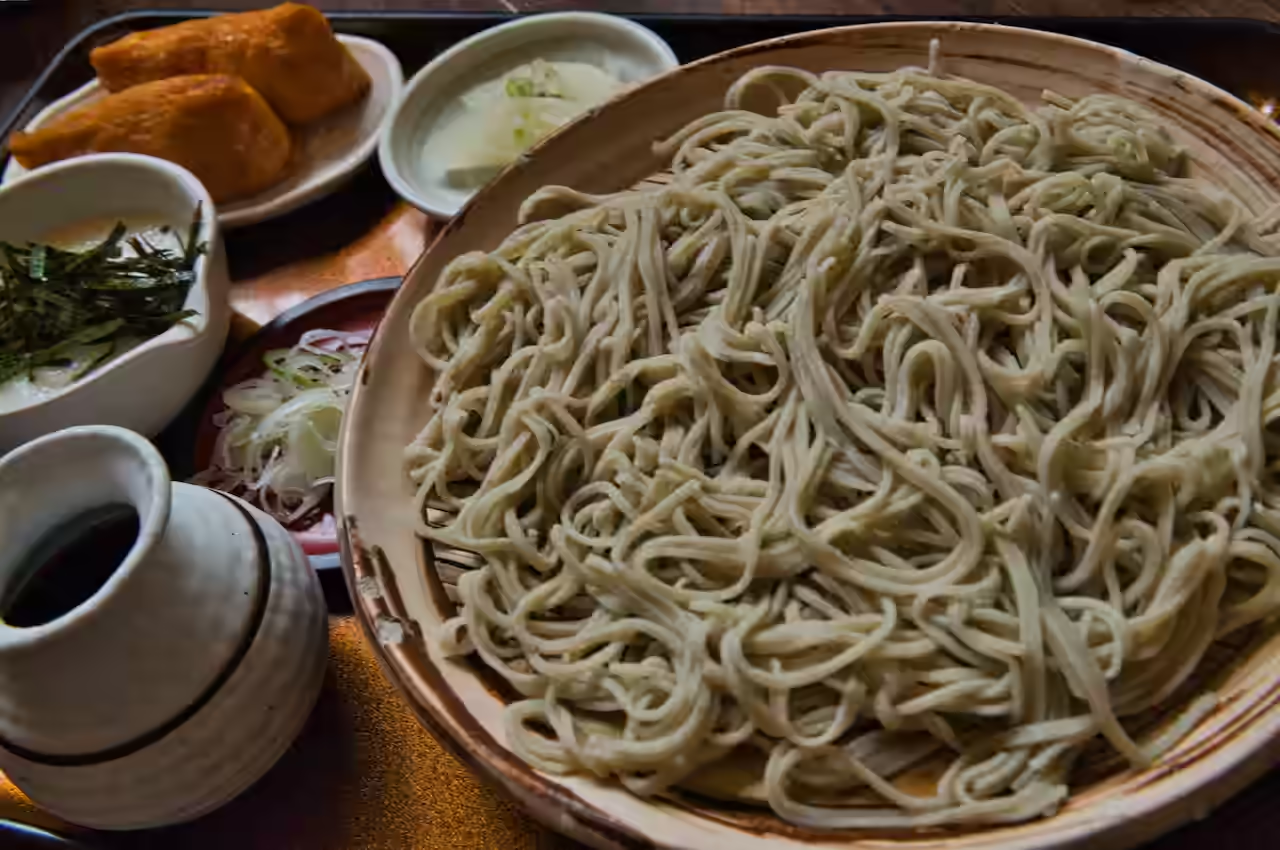
LocalHitachi Aki Soba (常陸秋そば)
常陸秋そば · Hitachi buckwheat · local soba in Ibaraki
Buckwheat noodles made from Hitachi Akisoba, a premium buckwheat variety grown in Ibaraki’s highlands. Rich in flavor and aroma, it is one of Japan’s most respected regional soba styles and a top Ibaraki local food experience.
 Local
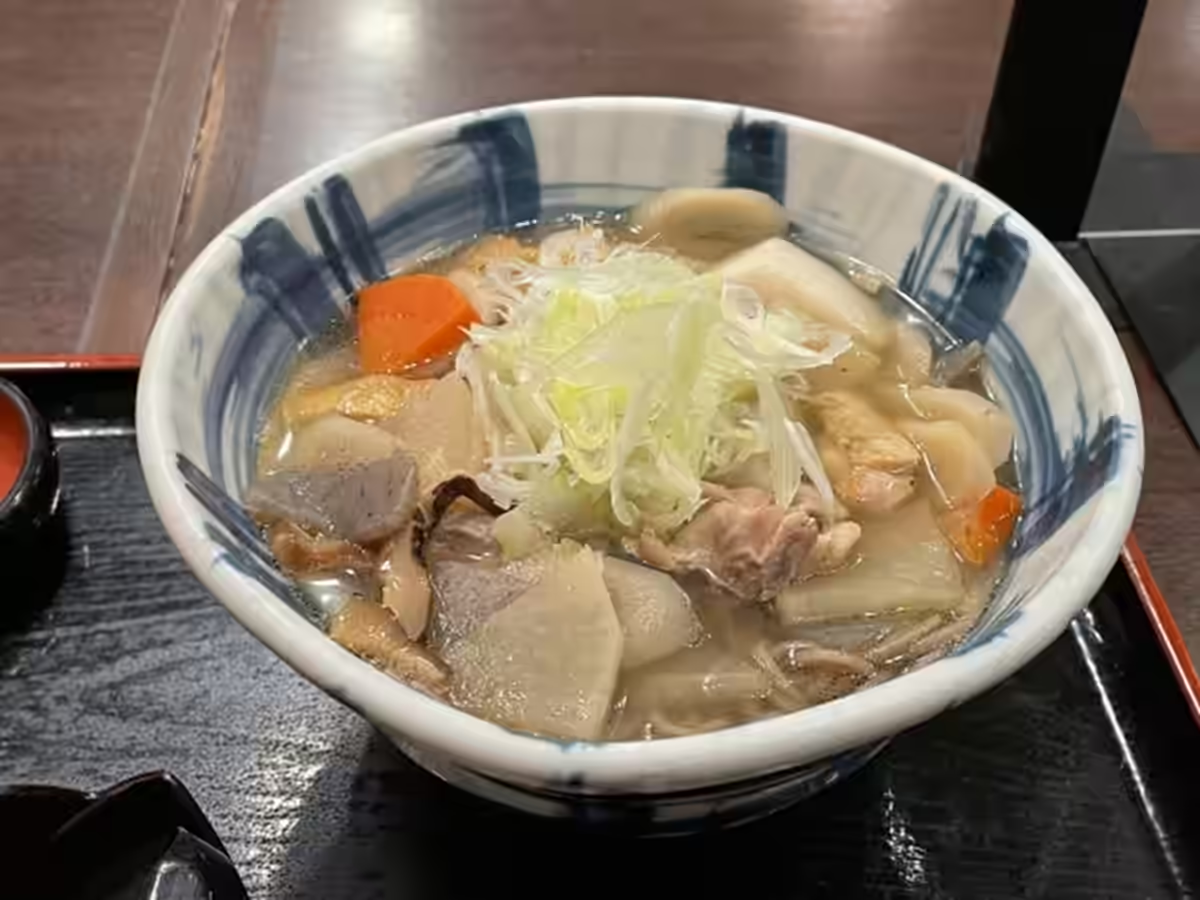
LocalKenchin Soba (けんちん蕎麦)
けんちんそば · Root vegetable noodle soup
Soba noodles served in a hearty soup of root vegetables — burdock, daikon, taro, konjac, and tofu simmered in dashi. A cold-weather comfort dish deeply embedded in Ibaraki local cuisine and Japanese regional food culture.
 Seafood
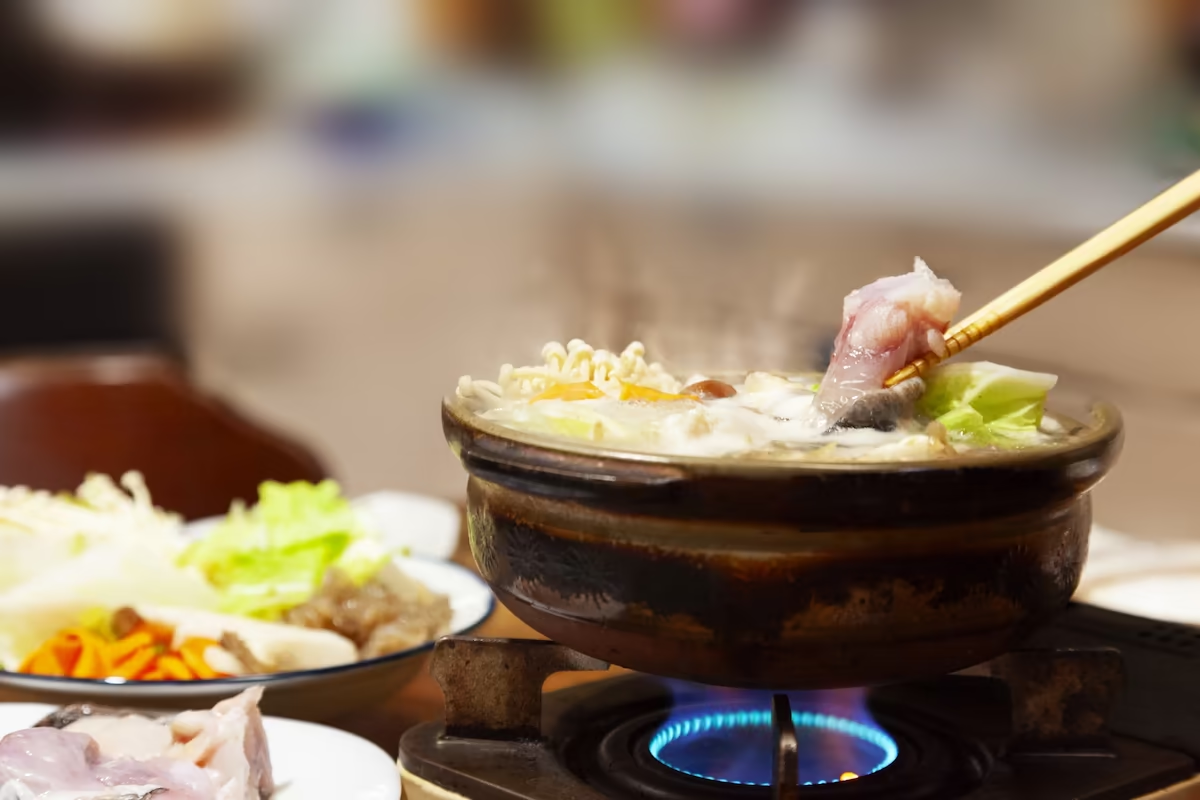
Ankou Nabe (あんこう鍋)
あんこう鍋 · Monkfish hot pot · Ibaraki winter dish
A rich winter hot pot built around ankou (monkfish), with liver, skin, and fillets simmered in miso or soy broth. Ibaraki’s coastline produces some of the finest monkfish in Japan. The essential ankou nabe experience — one of the most famous foods from Ibaraki Japan.
 Local
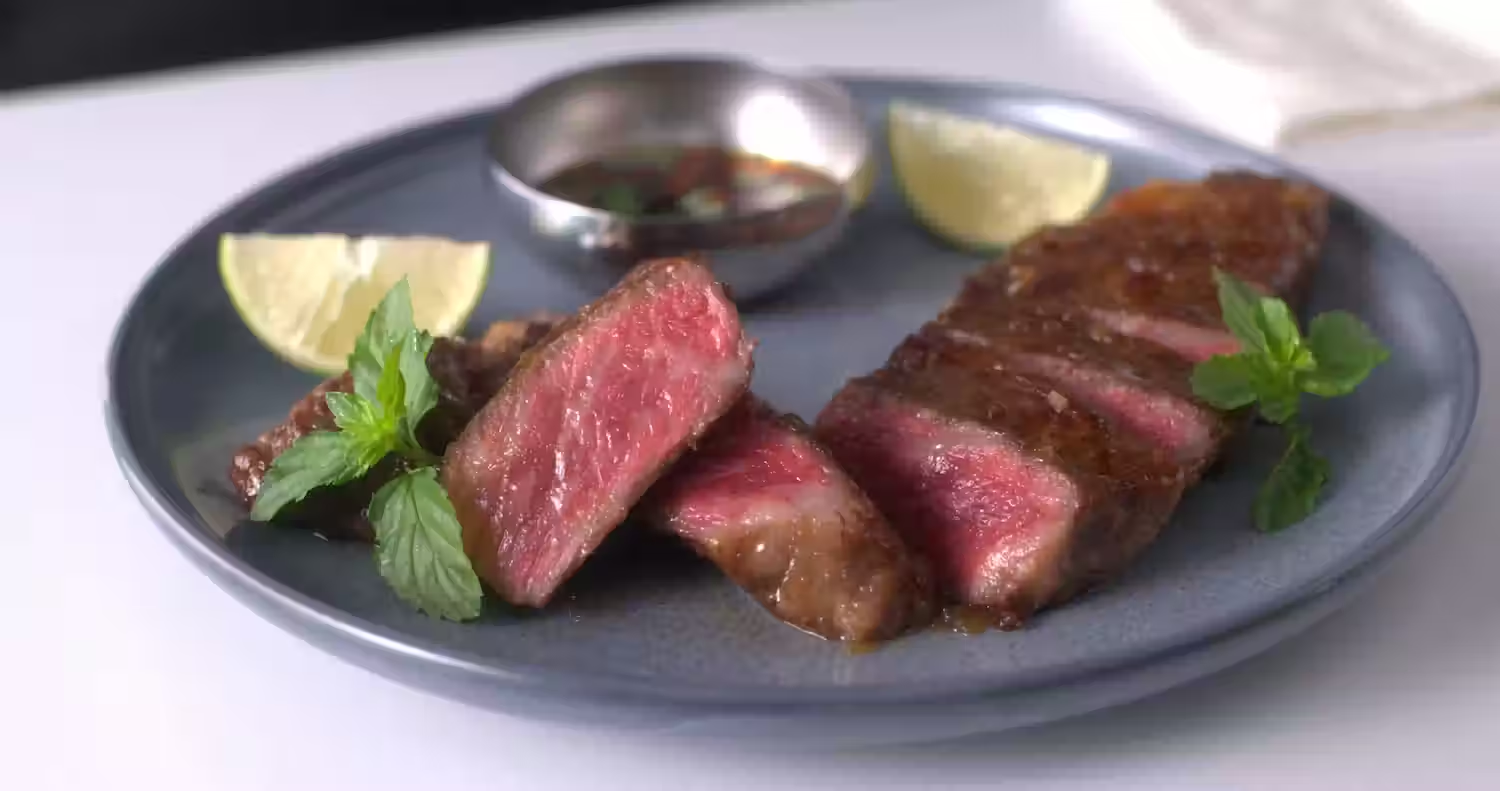
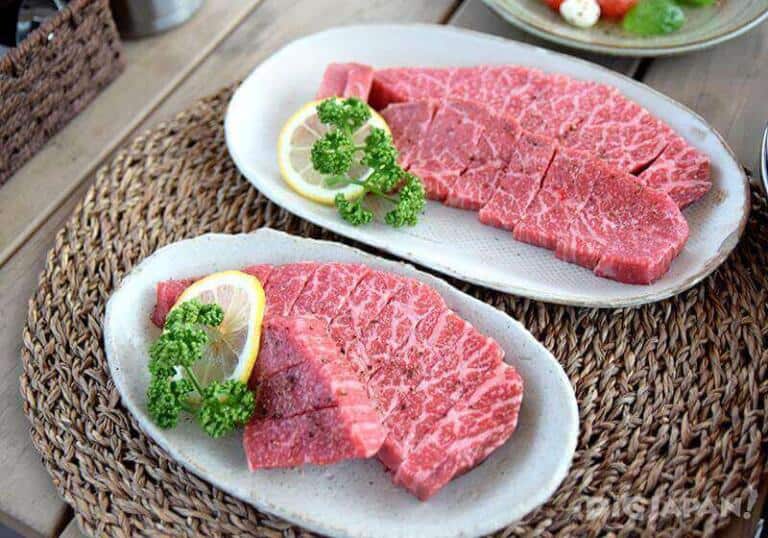
LocalHitachi Beef (常陸牛)
常陸牛 · Ibaraki wagyu · Hitachi beef
A premium brand of Japanese Black wagyu raised in Ibaraki’s pastoral inland. Grade 4–5 marbling and over 180 years of cattle farming tradition give 常陸牛 Hitachi beef exceptional depth of flavor. One of Ibaraki’s most celebrated gourmet specialties.
 Produce
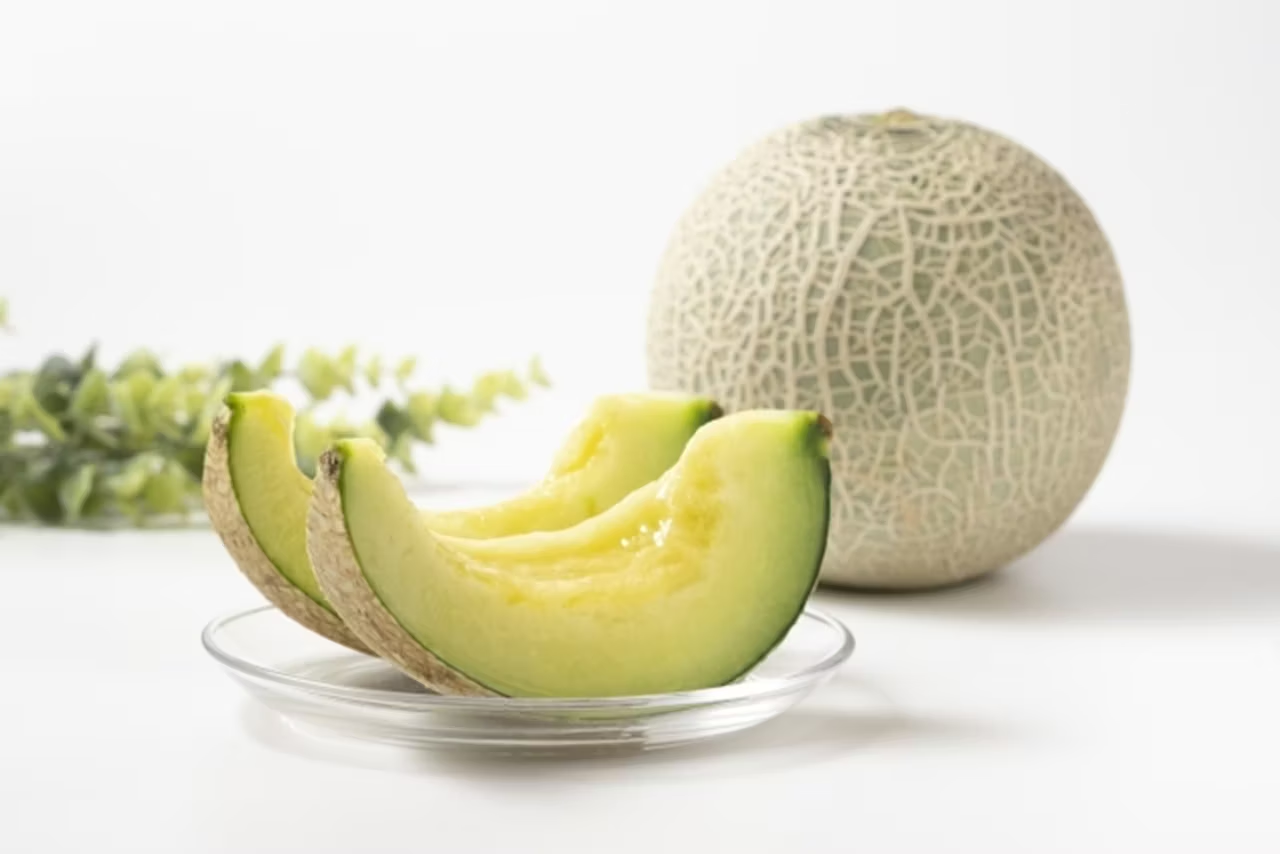
Ibaraki Melon (茨城のメロン)
いばらきメロン · Japan’s No.1 melon · 茨城メロン
Ibaraki produces more melon than any other prefecture in Japan. The Ibaraking variety — a premium cultivar developed over ten years from 400-plus breeding combinations — is the flagship of いばらきメロン culture and one of the best-known Ibaraki local foods.
- Produce
Renkon (れんこん)
れんこん · Lotus root · Ibaraki produce
Ibaraki is Japan’s top producer of lotus root, harvested from the muddy beds around Lake Kasumigaura. Crunchy, mild, and versatile — essential in nimono, tempura, and kinpira dishes. A cornerstone of Ibaraki local cuisine.
 Produce
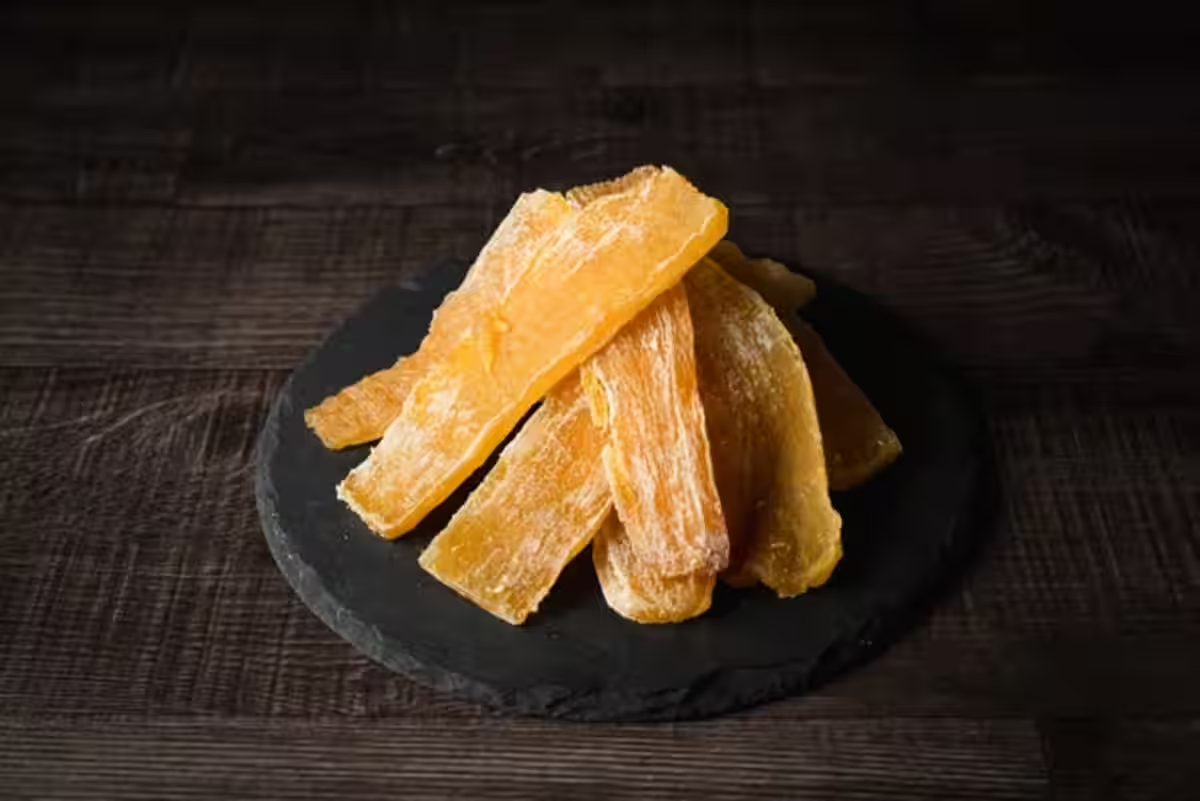
Hoshi Imo (干し芋)
干し芋 · Dried sweet potato · Hitachinaka
Sun-dried sweet potato slices — chewy, naturally sweet, and produced almost exclusively in Ibaraki’s Hitachinaka area. Over 90% of Japan’s domestic supply comes from this region, making it a defining Ibaraki local specialty.
- Produce
Mito no Ume (水戸の梅)
水戸の梅 · Mito plum · Ibaraki local specialties
The plum trees of Kairakuen have made Mito synonymous with ume culture. Both pickled plum products and plum-based sweets are essential Mito souvenirs every spring — a key part of the Ibaraki gourmet experience.
Ibaraki Gourmet GuideThe “Food Kingdom” of the Kanto Region
Ibaraki is sometimes called Kanto’s kitchen, and the agricultural statistics support the title. The prefecture ranks third nationally by farm production value, producing everything from soybeans and lotus root to sweet potatoes and some of Japan’s finest buckwheat. Facing the Pacific Ocean along a long stretch of coastline, it brings in monkfish, flounder, and seasonal seafood that feeds both local restaurants and Tokyo’s fish markets. Understanding Ibaraki local cuisine means understanding this dual identity — farm and sea.
Mito, the prefectural capital, carries particular food significance. Tokugawa Mitsukuni — known across Japan as Mito Komon — is said to have been the first Japanese person to eat ramen, introduced by his Chinese Confucian scholar advisor. The connection to Chinese noodle culture planted a seed: Mito and Hitachinaka later developed stamina ramen, one of Japan’s most original regional ramen styles and a highlight of any Ibaraki food guide for tourists.
The fermented food culture here runs deep. Natto in Ibaraki is not just a product — it is a daily habit, a point of local pride, and the foundation of dishes like soboro natto that appear nowhere else in Japan. For visitors asking what food is Ibaraki famous for, natto is always the first answer. The prefecture’s soybean harvests and cool climate created ideal conditions for fermentation techniques that spread from Mito across the country.
When to VisitIbaraki Food by Season — Best Local Dishes in Ibaraki Japan
Spring (March–May): Plum blossom season at Kairakuen brings umeshu festivals and ume-flavored sweets to Mito. Ibaraki melon season (いばらきメロン) opens in late March, with Ibaraking reaching peak season in May and June. Spring is also ideal for fresh renkon and early mountain vegetables — great timing for an Ibaraki food guide visit.
Summer (June–August): Dried sweet potato production winds down and melon peaks. Hitachi Aki Soba buckwheat grows through summer for autumn harvest. For those exploring Ibaraki local food in summer, fresh melon and seasonal vegetable dishes are the highlights.
Autumn (September–November): Hitachi Aki Soba is harvested and served fresh in local restaurants — the best time to try freshly milled buckwheat noodles. Local soba in Ibaraki reaches its peak in October. Ibaraki rice harvest comes in, and seasonal mountain dishes appear across the prefecture.
Winter (December–February): Ankou nabe (あんこう鍋) season. Monkfish caught off the Pacific coast are at their fattest and richest in the coldest months. The hot pot is warming, collagen-rich, and deeply savory — the defining winter experience in Ibaraki and a must-try dish for any visitor.
Frequently Asked QuestionsIbaraki Food Guide for Tourists
What food is Ibaraki famous for?
Ibaraki is most famous for natto (fermented soybeans from Mito), stamina ramen, ankou nabe (あんこう鍋 monkfish hot pot), Hitachi beef (常陸牛), Ibaraki melon (いばらきメロン), renkon (lotus root), and hoshi imo (dried sweet potato). As Japan’s agricultural powerhouse, the prefecture also produces premium buckwheat for Hitachi Aki Soba, one of the best regional soba styles in the country.
What are the must-try dishes in Ibaraki Japan?
The must-try dishes in Ibaraki include: natto (especially in Mito), stamina ramen from Hitachinaka, ankou nabe in winter, Hitachi beef wagyu, Hitachi Aki Soba, kenchin soba, soboro natto, and fresh Ibaraki melon in spring and summer. For Ibaraki gourmet experiences, Mito city and the Hitachinaka area offer the densest concentration of local specialties.
What is Ibaraki local cuisine like?
Ibaraki local cuisine (茨城グルメ) is built on fermented foods, fresh Pacific seafood, and produce from one of Japan’s largest agricultural regions. The flavor profile is earthy, umami-forward, and satisfying — honest food rooted in rural Kanto tradition. Key influences include soybean culture (natto), coastal fishing (ankou monkfish), and highland buckwheat farming (Hitachi Aki Soba).
Is Ibaraki good for food tourism?
Yes — Ibaraki is an excellent destination for Japanese regional food tourism, especially for visitors seeking authentic local dishes away from tourist crowds. The prefecture sits just one hour from Tokyo by train, making it a practical day trip. Highlights for food tourists include the natto museums and restaurants of Mito, stamina ramen shops in Hitachinaka, winter ankou nabe at coastal restaurants, and melon farms around Hokota city.
Explore More
Related guides and articles — Japanese regional food